
Vaginal cleaning is simpler than the internet makes it sound: the vagina is self-cleaning, so the right routine is to leave the inside alone and gently wash only the outside — the vulva — with plain warm water. Most discharge, odor, and irritation problems get better when you stop using soaps, sprays, and douches, not when you add more products.
Key Takeaways
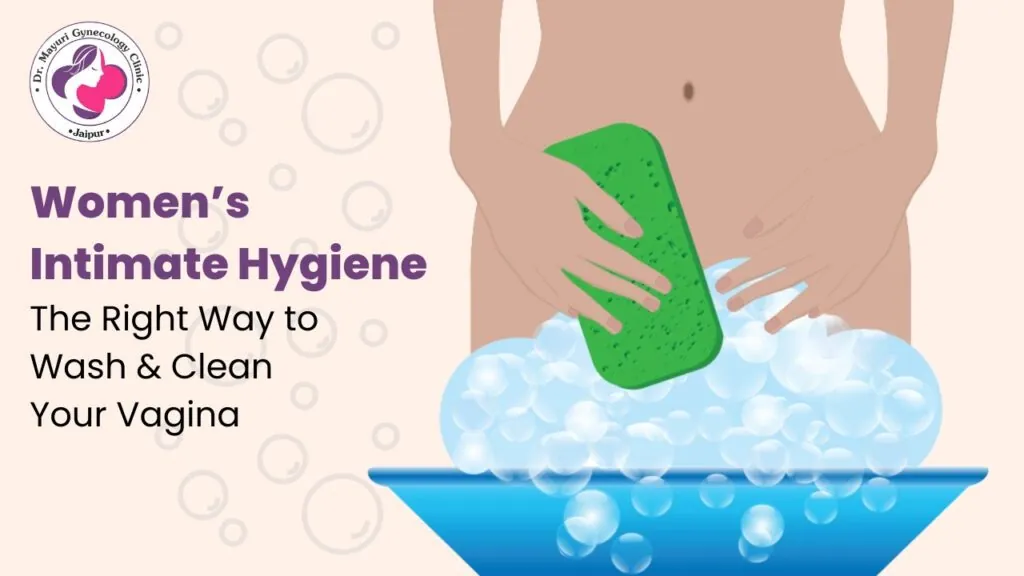
- Skip douching entirely. The vagina maintains its own balance of bacteria and pH; flushing it out disrupts that balance and is linked to irritation and infections.
- Wash the outside only. Use warm water and your fingers on the vulva (the outer folds), and save soap — if you use any — for the surrounding skin, not the mucosal areas.
- Choose fragrance-free if you use soap at all. A mild, unperfumed wash is the least likely to irritate; scented body washes, wipes, and sprays are common triggers for itching and burning.
- Wear breathable underwear. Cotton or moisture-wicking fabric and changing out of wet workout clothes or swimsuits promptly helps keep the area dry.
- Know what’s normal. Clear-to-white discharge and a mild scent are typical; a sudden change in color, smell, or texture — or itching and pain — is a reason to see a clinician.
- Never use “cleansing” products inside the vagina — including scented wipes, steam treatments, and herbal inserts. None are necessary, and some cause harm.
What “Cleaning the Vagina” Actually Means
The words get used interchangeably, but they describe two different areas. The vagina is the internal muscular canal; the vulva is the external genital area — the labia, clitoris, and the opening of the vagina. When people search for how to clean “down there,” what they almost always mean is keeping the vulva fresh and comfortable. That distinction matters because the care for each is opposite: the vulva benefits from gentle washing, while the vagina does best when left undisturbed.
The vagina has its own cleaning system. It produces discharge that carries away old cells and fluid, and it hosts a community of bacteria (largely Lactobacillus species) that keep the environment acidic and hostile to harmful organisms. That ecosystem is delicate.
Soaps, douches, and scented products can kill off the helpful bacteria and change the pH, which is exactly the setup for irritation and infections like bacterial vaginosis or yeast overgrowth. The CDC’s guidance on vaginal hygiene is consistent on this point: douching isn’t recommended, and the vagina cleans itself.
Why the Vagina Cleans Itself
Inside the vagina, glands in the cervix and the vaginal walls produce fluid continuously. This fluid flows outward, carrying away dead cells and any debris. Meanwhile, the Lactobacillus bacteria produce lactic acid, keeping the pH in a mildly acidic range (typically around 3.8 to 4.5). That acidity is a defense: it discourages the overgrowth of yeast and harmful bacteria.
When you introduce soap, douche solution, or a scented wipe into that space, you can raise the pH, reduce the Lactobacillus population, and remove the protective fluid. The result is often the very thing people were trying to prevent — odor, discharge changes, or itching. This is why the standard advice from clinicians is not “clean more” but “interfere less.”
Step-by-Step: How to Wash the Vulva
Here is a routine that covers what actually needs doing. It takes under a minute.
- Use warm water first. In the shower or bath, gently rinse the vulva with plain warm water. Use your hand — no washcloth is required, and rough cloths can irritate sensitive skin.
- Separate the folds gently. With clean hands, softly part the outer labia and rinse the area between them. Don’t scrub; a light pass is enough. The inner mucosal surfaces don’t need soap.
- If you want soap, choose a mild, fragrance-free wash and apply it only to the outer skin — the pubic mound and the outer labia — not inside the folds or near the vaginal opening. Rinse thoroughly.
- Pat dry. Use a clean towel and pat rather than rub. Leaving the area damp can encourage irritation, especially in skin folds.
- Wash once a day. More frequent washing, especially with soap, can dry and irritate the skin. After sex, a rinse with warm water is reasonable; a full soap scrub isn’t necessary.
- Wash your hands before and after touching the area, and wash sex toys and anything else that goes near the vulva according to the manufacturer’s instructions.
That’s the whole routine. No special products, no internal washing, no steaming.
Products: What Helps and What Harms

The personal-care aisle is full of products marketed for “feminine freshness.” Most of them are unnecessary, and several are actively discouraged by clinicians. Here’s how the main categories stack up.
| Product type | What it’s for | Verdict |
|---|---|---|
| Plain warm water | Rinsing the vulva | Recommended — sufficient for most people |
| Mild, fragrance-free wash | Outer skin only | Acceptable if you prefer soap; keep it external |
| Scented body wash, bath bombs, bubble bath | Whole-body cleaning | Use with caution — fragrance and dyes commonly irritate vulvar skin |
| Douches | Flushing the vagina | Avoid — disrupts pH and bacterial balance; not recommended by the CDC |
| Scented wipes and “feminine sprays” | Between washes | Avoid or use sparingly — frequent fragrance exposure can cause contact irritation |
| Vaginal steamers (“v-steams”) | Claimed detox | Avoid — no evidence of benefit; risk of burns and irritation |
| Probiotic or pH-balancing washes | Marketed for “balance” | Not needed — the vagina balances itself when left alone |
A note on bubble baths and scented bath products: if you’re prone to irritation, switching to unscented bath products is one of the simplest changes you can make. The same goes for heavily perfumed laundry detergents and fabric softeners on underwear.
Common Causes of Odor and Irritation
If something feels off, the cause is usually one of a handful of things — and most aren’t about hygiene at all.
- Bacterial vaginosis (BV): an overgrowth of certain bacteria, often causing a thin grayish discharge and a fishy odor. It’s common and treatable with antibiotics prescribed by a clinician; douching increases the risk.
- Yeast infections: overgrowth of Candida, causing intense itching, thick white discharge, and irritation. Antifungal treatments are available over the counter, but see a clinician if symptoms are new or recur.
- Trichomoniasis: a common sexually transmitted infection that can cause discharge and odor; it requires prescription treatment.
- Contact irritation: reactions to scented soaps, wipes, detergents, or condoms. Switching to fragrance-free products often resolves it.
- Sweat and trapped moisture: normal sweat in a warm, covered area can produce a mild odor. Breathable underwear and prompt changing after exercise help.
- Hormonal changes: menopause, pregnancy, and some contraceptives can change discharge and dryness.
- Foreign bodies: a forgotten tampon can cause a strong odor and discharge — a reason to see a clinician if odor is sudden and persistent.
Warning: a strong, persistent odor, a change in discharge color (green, gray, or yellow), pelvic pain, fever, or bleeding between periods are reasons to see a healthcare professional rather than try another product.
What About Discharge — Is It Dirty?
No. Discharge is normal and healthy — it’s how the vagina cleans itself. What it looks like changes with your menstrual cycle: it may be clear and stretchy around ovulation, thicker and whiter in other phases, and it varies with age, hormones, and contraception.
What’s worth paying attention to is a change from your normal. Discharge that suddenly turns gray, green, or yellow, develops a strong or fishy odor, or comes with itching, burning, or pain is a signal to get checked. Normal discharge doesn’t need to be washed away or “treated” with a douche — doing so tends to make things worse.
Underwear, Clothing, and Daily Habits
Hygiene isn’t only about washing. A few daily habits make a real difference to comfort and to the balance of the area.
- Choose cotton or moisture-wicking underwear, and change it daily. If you’re prone to irritation, sleeping without underwear lets the area breathe.
- Change out of wet clothes promptly — workout gear, swimsuits, and damp underwear.
- Wipe front to back after using the toilet to reduce the spread of bacteria from the anus toward the vulva and urethra.
- Use unscented menstrual products if you’re sensitive, and change pads, tampons, and period underwear as directed.
- Avoid tight, non-breathable clothing for long stretches if you notice irritation.
- Don’t use talc-based powders on the genital area; the evidence on talc and ovarian cancer risk is a topic of ongoing regulatory review, and it’s simply not needed.
When to See a Doctor

See a healthcare professional if you have:
- Odor or discharge that’s new, persistent, or accompanied by pain or fever
- Itching, burning, or swelling that doesn’t settle with basic changes like switching to fragrance-free products
- Pain during sex or urination
- Sores, lumps, or blisters on the vulva
- Bleeding between periods or after sex
- Symptoms that recur after treatment
This article can’t diagnose anything. Conditions like BV, yeast infections, and STIs often look similar, and only a clinician — sometimes with a simple swab test — can tell them apart and prescribe the right treatment. If you’re unsure, it’s reasonable to get checked rather than to keep experimenting with products.
Frequently Asked Questions
Should I douche after my period or after sex?
No. Douching isn’t recommended by the CDC or by most clinicians. It disrupts the vagina’s natural bacterial balance and acidity, which can increase the risk of bacterial vaginosis and other infections. A gentle rinse of the vulva with warm water is all that’s needed after your period or sex.
Can I use regular soap on my vagina?
Use soap only on the outer skin — the pubic mound and outer labia — and choose a mild, fragrance-free option if you do. Avoid getting soap inside the vaginal opening or between the inner folds, since soap can irritate mucosal tissue and disturb the natural balance. Plain warm water is sufficient for most people.
How often should I wash down there?
Once a day is generally enough. Washing more often — especially with soap — can dry and irritate the skin. A quick rinse after sex or exercise is fine, but you don’t need a full soap routine each time. Over-washing is a common cause of irritation.
Is it normal to have discharge every day?
Yes, daily discharge is normal for many people. It’s how the vagina cleans itself, and its amount and texture change with your cycle. What matters is a change from your normal — sudden color changes, a strong odor, or itching — which is worth getting checked by a clinician.
Do I need special “feminine” wipes or washes?
No. Products marketed as “feminine hygiene” are generally unnecessary, and scented wipes and washes can cause contact irritation. If you want to use something, a mild fragrance-free wash on the outer skin is the least likely to cause problems. The vagina doesn’t need special products to stay clean.
Can what I wear cause odor or irritation?
Yes, it can contribute. Tight, non-breathable fabrics trap moisture and heat, which can worsen irritation and odor. Cotton or moisture-wicking underwear, changing out of damp workout clothes promptly, and avoiding heavily scented detergents on underwear can all help.
Conclusion
The most useful thing you can do is less, not more: rinse the outside with warm water, skip douches and scented products, wear breathable underwear, and pay attention to changes rather than trying to “fix” normal discharge. If something new, painful, or persistent shows up, book an appointment with a clinician — a simple swab can identify the cause and get you the right treatment, which beats another round of guessing at products.