
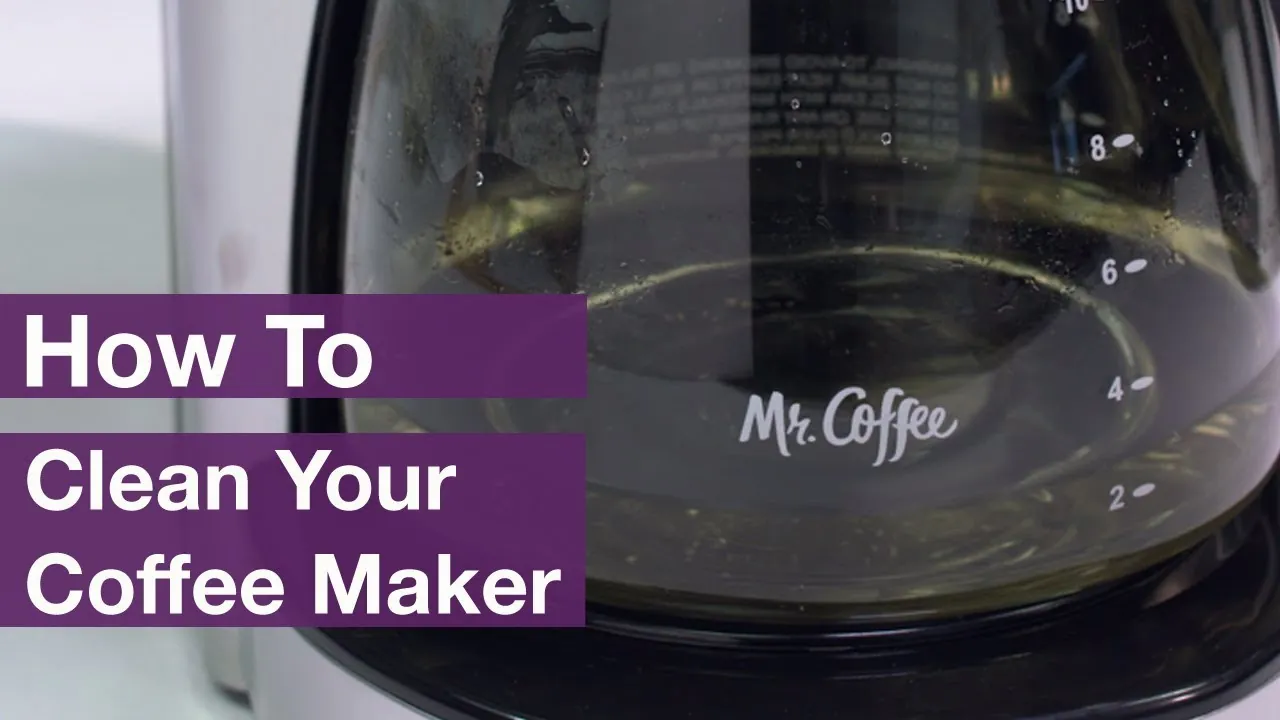
Cleaning a Mr. Coffee coffee maker takes about 30 to 45 minutes, and most of that’s waiting while the vinegar does the work. The job itself is easy to medium — you’re pouring, running cycles and rinsing, nothing more. The one thing you need before you start is white distilled vinegar and a clean, empty carafe or mug big enough to catch the full reservoir. You don’t need tools, and you don’t need to open the machine.
What you need for cleaning a Mr. Coffee
| Item | How much | Why it’s needed | A substitute |
|---|---|---|---|
| White distilled vinegar | 1 part vinegar to 2 parts water | Dissolves mineral scale inside | None — don’t swap this |
| Cold water | Enough to fill the reservoir | Dilutes the vinegar to a safe strength | Filtered water works too |
| Clean carafe or large mug | At least reservoir size | Catches the hot vinegar as it runs | Any heat-safe jug |
| Soft cloth or sponge | 1 | Wipes the outside and basket | Paper towel |
| Mild dish soap | A few drops | Cleans the carafe and basket | None needed |
| Paper filter | 1, for basket models | Holds grounds out of the line | Permanent filter, rinsed |
The vinegar-to-water ratio matters more than the brand. Straight vinegar is harsher on seals and takes longer to rinse out, so keep it at 1 part vinegar to 2 parts water unless your machine’s manual says otherwise. Check the manual that came with your model — the maker’s own instructions for your model always win over a general guide.
Empty and cool the Mr. Coffee first
- Unplug the machine. Pull the cord from the outlet before you touch the reservoir or the warming plate. The plate stays hot for a while after brewing, so let it cool for 10 to 15 minutes.
- Empty the reservoir and the carafe. Pour out any old water and leftover coffee. Old coffee sitting in the carafe leaves a film that vinegar alone won’t shift.
- Remove the filter basket and the paper filter. Throw the wet grounds in the trash, not the sink — they clog drains. Rinse the basket under warm water with a drop of dish soap.
- Move anything near the machine. Slide it away from the wall and off anything that vinegar could drip onto. Vinegar is acidic and will mark some stone countertops if it sits.
- The step people skip: check the manual for your model. Some Mr. Coffee models have a clean indicator light or a specific descale setting. Reading that page first saves you from running the wrong cycle.
If your machine won’t heat or won’t pump at all, stop here. That’s an electrical fault, not a cleaning job, and it belongs with a repair technician or the manufacturer’s support line — never with you opening the housing.
Step-by-step: how to clean a Mr. Coffee coffee maker
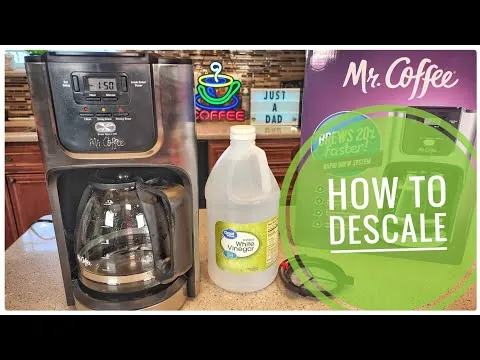
- Mix the solution. Pour 1 part white vinegar and 2 parts cold water into the reservoir. For a 12-cup reservoir, that’s about 4 cups vinegar and 8 cups water. For a smaller 4- or 5-cup model, use roughly 1½ cups vinegar and 3 cups water. Fill only to the max line.
- Set the carafe in place and start a brew. Put the empty carafe on the warming plate and switch the machine on as you would for coffee. Let it run until about half the solution has come through, then switch it off. This half-cycle is what loosens the scale.
- Let it sit for 30 minutes. Leave the machine switched off with the vinegar solution sitting in the reservoir and the lines. This is the waiting time that does the real work. If your water is very hard, leave it for up to an hour.
- Finish the brew cycle. Switch the machine back on and let the rest of the solution run through into the carafe. When it stops, switch off and pour the hot vinegar down the sink, then rinse the carafe.
- Rinse with a full reservoir of clean water. Fill the reservoir with plain cold water to the max line and run a full brew cycle into the carafe. Dump it out. This first rinse removes most of the vinegar.
- Run a second rinse. Repeat step 5 with fresh cold water. Two rinses is the minimum; if you can still smell vinegar in the carafe, run a third. Your nose is the check here, not a timer.
- Wash the carafe and basket by hand. Use warm water and a few drops of mild dish soap. Don’t put the carafe in the dishwasher unless your manual says it’s dishwasher-safe — thermal shock can crack glass carafes.
- Wipe the outside and the warming plate. Use a soft cloth dampened with water. Don’t pour water over the machine or into the top vents. Let everything air-dry fully before you plug it back in.
- Reassemble and run one plain water cycle. Put the basket and a fresh paper filter back, fill with water, and brew a full cycle. Taste that water. If it tastes clean, you’re done. If it tastes sharp, rinse once more.
- Wipe the exterior dry and plug in. Dry the cord and the plug completely before it goes back in the outlet. A damp plug is the one thing that turns a cleaning job into a shock risk.
The whole sequence takes about 30 to 45 minutes, but only around 10 minutes of that’s you actually doing something. The rest is the machine sitting with vinegar inside it.
How to tell the Mr. Coffee is clean
The clearest sign is time. Before cleaning, a full brew cycle on a scaled machine runs slow and may stop partway through. After a proper clean, water should pass through in roughly the time it did when the machine was new — compare it against your own machine’s first brews rather than a fixed number, since brew time varies by model and reservoir size.
The second sign is the rinse water. After two clean-water cycles, the water coming out should have no vinegar smell at all. If it still smells sharp, the scale broke loose but the vinegar hasn’t fully flushed out. Run one more plain water cycle.
Look at the shower head — the small spray plate above the basket. If you can see white crust around the holes, the vinegar didn’t reach it. Wipe it with a cloth dipped in your vinegar mix and run a short cycle again.
Signs it needs a second round:
- The brew still runs noticeably slower than normal.
- White or chalky flakes come out in the rinse water.
- The carafe still smells of vinegar after two rinses.
- The clean indicator light (on models that have one) stays on.
If any of these show up, repeat the full vinegar cycle once. Don’t run the vinegar cycle three or four times in a row — repeated acid exposure wears on the seals. Instead, check whether your water is the problem and consider filtered water.
If something goes wrong with your Mr. Coffee
| What happened | Why | What to do |
|---|---|---|
| Machine won’t start after cleaning | Plug or outlet still damp | Dry fully, try another outlet |
| Water tastes of vinegar | Not enough rinse cycles | Run 1–2 more plain water cycles |
| Brew still slow after cleaning | Heavy scale needs a second round | Repeat the vinegar cycle once |
| Vinegar leaked onto the counter | Reservoir overfilled past max line | Wipe up, rinse the surface |
| Carafe cracked after washing | Hot glass hit cold water | Replace the carafe, don’t glue it |
| Machine trips the breaker | Water got into the electrics | Unplug it, call a technician |
Most of these rows have a simple fix you can do at the sink. The breaker row is the one to take seriously. If the machine trips your outlet or breaker after cleaning, unplug it and leave it alone.
Water inside the housing is a technician’s job. Don’t open the base or probe around the cord with anything wet. The U.S. Consumer Product Safety Commission publishes recall and safety information for small appliances if you want to check your model.
A slow brew that stays slow after a second vinegar cycle is telling you something different. That scale may be packed into the shower head and the lines above the basket, not just the reservoir. On most Mr. Coffee models those parts sit above the water you soak, so the vinegar never reaches them.
Check the spray holes over the basket for white crust. If you find it, scrub them with a soft brush and a little vinegar, then run plain water through before brewing coffee again.
How often to clean a Mr. Coffee
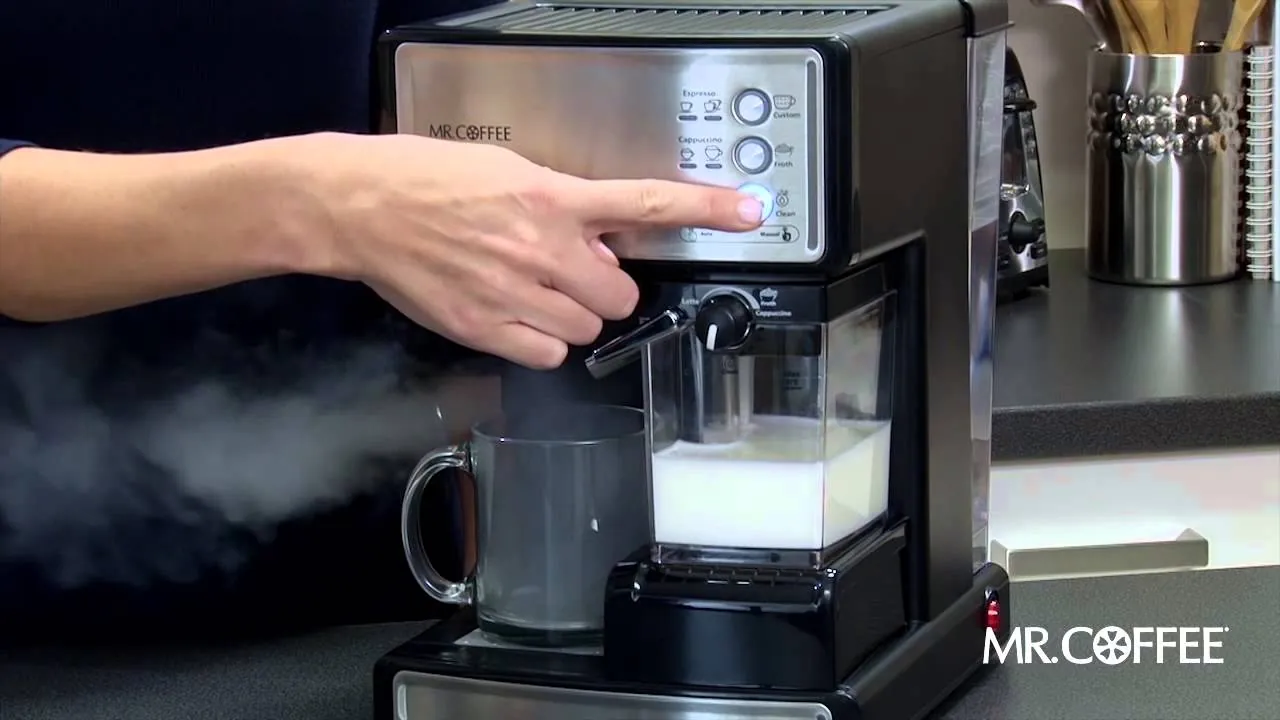
Clean with vinegar every 1 to 3 months, and rinse the carafe and basket with soapy water after every use. That range isn’t lazy — it moves with two things.
The first is your water. If your tap water is hard, meaning you see white spots on a glass left to dry, scale builds faster and you should lean toward monthly. Soft or filtered water stretches it toward the 3-month end. You can check your own water hardness through your local water utility’s annual quality report.
The second is how much coffee you brew. A machine running two pots a day collects scale far faster than one used on weekends. Count your pots per week and use that as your guide: daily brewing points to monthly cleaning, occasional brewing to every 2 to 3 months.
If your model has a clean indicator light, follow it — it’s usually tied to a set number of brew cycles, and the manual tells you what that number is for your machine.
Two habits keep the schedule honest between cleanings. Empty the water reservoir and let it air dry overnight rather than leaving it full, since standing water is where scale and film start. And if you switch to a different water source, such as a filter pitcher instead of the tap, recheck the timing rather than assuming the old schedule still fits.
One case flips the answer: a machine that sat unused for months with water in the tank. Scale and stale residue build whether or not you brewed, so clean it before the first pot back, not on the old calendar.
Frequently asked questions
How long does it take to clean a Mr. Coffee coffee maker?
About 30 to 45 minutes in total, and only around 10 minutes of that’s active work. The rest is the 30-minute vinegar soak plus two rinse cycles. If your water is very hard and you soak for the full hour, add 30 minutes. A quick soap-and-water clean of just the carafe and basket takes 5 minutes.
Can I use white vinegar to clean a Mr. Coffee?
Yes, white distilled vinegar is the standard cleaner for Mr. Coffee machines, mixed 1 part vinegar to 2 parts water. Don’t use apple cider or malt vinegar — they leave residue and smell. Never use bleach or a commercial descaler unless the manual names it, because mixing cleaners can create dangerous fumes.
Why does my coffee taste like vinegar after cleaning?
You didn’t rinse enough. Vinegar clings to the lines and the carafe, and one rinse cycle usually isn’t enough. Run two full reservoirs of plain cold water through the machine, then taste the water. If it’s still sharp, run one more. Never drink the rinse water as a test of anything but taste.
Is it safe to drink coffee right after cleaning?
Yes, once the rinse water runs clear and smells clean. Don’t brew your first pot in the same cycle as the rinse. Run a full plain water cycle first, dump it, then brew coffee. If the machine still smells of vinegar, rinse again before you brew anything you plan to drink.
What happens if I skip cleaning my Mr. Coffee?
Scale builds up inside the lines and the brew slows down, then stops partway. Scale insulates the heating element, so the element itself runs hotter, which can shorten its life. You won’t get sick from a scaled machine, but your coffee tastes flatter and the machine works harder. Monthly cleaning prevents both.
Does it matter which vinegar I use?
Yes. Use plain white distilled vinegar at 5% acidity, the kind sold for cooking and cleaning. Stronger cleaning vinegar at higher acidity can damage seals and plastic parts. Check the label for the percentage before you pour. If the label doesn’t state it, don’t use it in the machine.
Can I clean the Mr. Coffee with just water?
No. Plain water won’t dissolve the mineral scale that builds up inside. Water alone cleans the carafe and basket fine with a drop of soap, but the internal lines need the acid in vinegar to break down scale. If you can’t use vinegar, check your manual for the descaling product the maker recommends for your model.
How do I clean a Mr. Coffee with a clean indicator light?
Run the vinegar cycle when the light comes on, then run two plain water rinse cycles. On most models the light resets when you hold the clean button for a few seconds, but the exact method differs by model. Check the manual that came with your machine for the reset step — guessing can leave the light stuck on.
Conclusion
The job comes down to three things: the right vinegar mix, a 30-minute soak, and enough rinses that the water tastes clean. Do that every 1 to 3 months, depending on your water and how often you brew, and your Mr. Coffee will keep brewing at the speed it did when it was new.