
Rings collect a surprising amount of grime for something so small. Soap residue, hand lotion, skin oils, and dust build up in the settings and behind the band, and that dull film you notice is usually just trapped residue rather than damage to the metal. The good news is that most jewelry—gold, platinum, silver, and even many diamond rings—can be cleaned at home and brought back to a bright shine with dish soap, warm water, and a soft brush, in about ten minutes, as long as you know which stones and metals need a gentler approach.
Key Takeaways
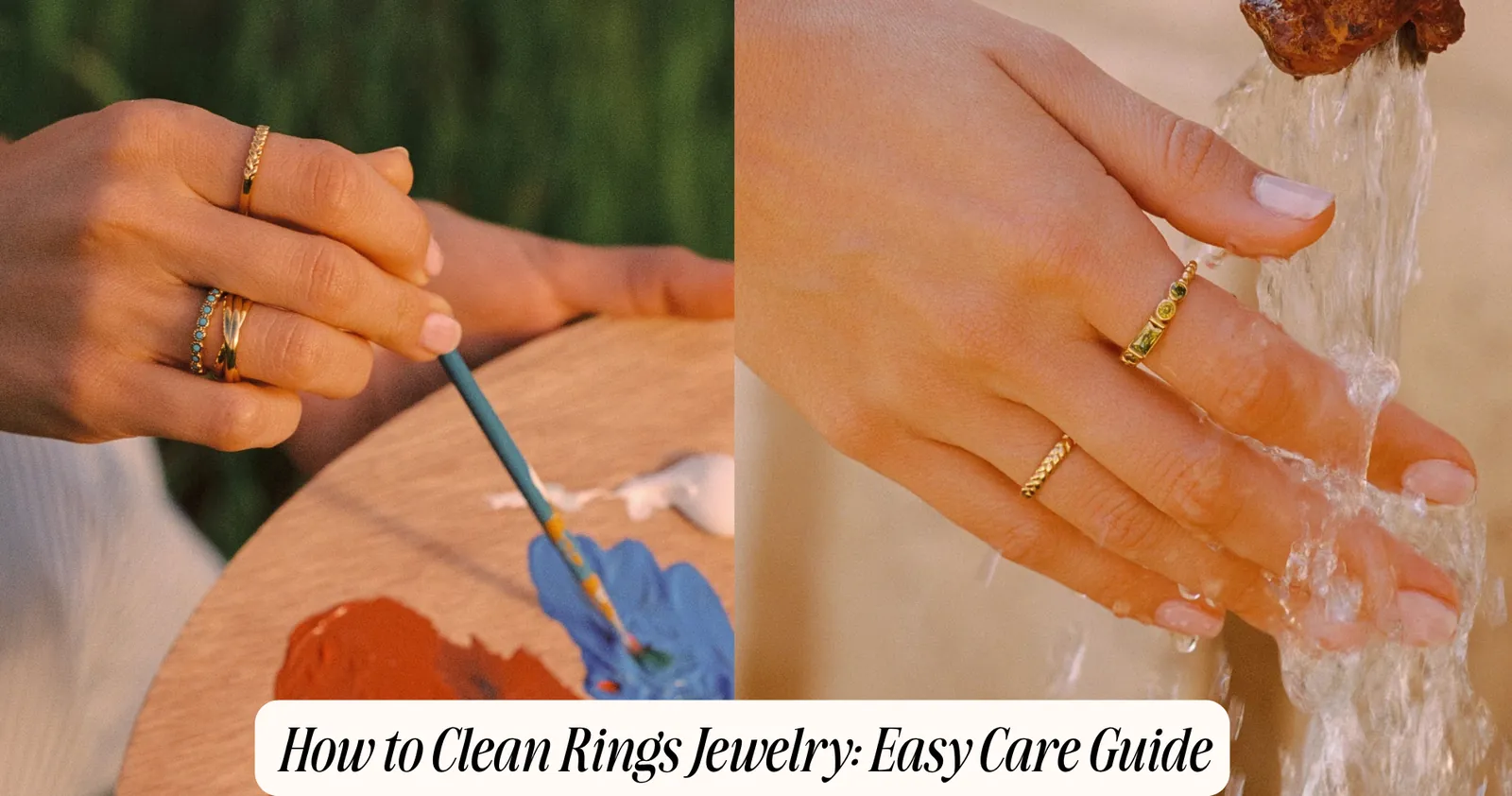
- Warm water and mild dish soap is the default cleaning method for gold, platinum, and diamond rings; skip it only for pearls, opals, and other porous or soft stones.
- A soft-bristled toothbrush (baby toothbrush or a dedicated jewelry brush) is the single most useful tool—never use a hard brush or anything abrasive on polished metal.
- Silver needs its own routine: a silver polishing cloth for light tarnish and a baking-soda-and-foil bath for heavier buildup.
- Check the setting before you clean: a loose prong or a cracked bezel can let a stone fall out during brushing, so wiggle each stone gently first.
- Skip harsh chemicals—chlorine, bleach, ammonia on certain stones, and ultrasonic cleaners can damage or loosen jewelry, so match the method to the material.
- Dry completely and store separately to prevent water spots and scratches between pieces.
Match the Method to the Metal and Stone
The biggest mistake people make is treating every ring the same. A diamond solitaire and an opal cabochon have almost nothing in common when it comes to cleaning. Before you reach for any cleaner, identify two things: the metal and the stone.
What each metal tolerates
Gold (yellow, white, or rose) is durable and handles warm soapy water well. White gold is usually rhodium-plated, and aggressive scrubbing or abrasive polishes can wear that plating faster, so stick to soft tools. Platinum is dense and forgiving—soapy water and a soft brush work fine, and it develops a patina over time that some people like and others prefer to polish away. Silver tarnishes as it reacts with sulfur compounds in the air, so it needs both cleaning (removing grime) and tarnish removal, which are two different jobs. Stainless steel and titanium rings are low-maintenance and tolerate soapy water easily.
What each stone tolerates
Hard stones like diamond, sapphire, ruby, and moissanite handle warm soapy water and gentle brushing without issue. Softer or porous stones—pearl, opal, turquoise, coral, lapis lazuli, emerald—need a damp cloth only, no soaking and no brushing, because water and cleaners can seep into them or damage their surface. Emeralds in particular are often treated with oils or resins, and soaking can strip that treatment. If you’re unsure what a stone is, treat it as delicate.
| Metal / Stone | Warm soapy water | Soft brush | Silver polish | Ultrasonic cleaner |
|---|---|---|---|---|
| Gold, platinum | Yes | Yes | Not needed | Usually fine (check settings) |
| Silver | Yes | Yes | Yes | Usually fine |
| Diamond, sapphire, ruby | Yes | Yes | Not needed | Usually fine |
| Pearl, opal, turquoise | No soak | No | No | No |
| Emerald (treated) | Brief only | Gentle | No | No |
The Ten-Minute Deep Clean for Most Rings
This is the workhorse method for gold, platinum, silver, and diamond rings. It works because warm water softens the residue and dish soap lifts oils without leaving a film.
Step by step
- Plug the sink or use a small bowl. Rings slip out of hands, and a drain is where they disappear. A small ceramic or glass bowl also lets you see a loose stone if one falls out.
- Fill with warm—not hot—water and add a few drops of mild dish soap (the plain, grease-cutting kind without added moisturizers or citrus boosters).
- Soak for five to ten minutes. This loosens dried lotion and soap scum in the crevices around prongs and under the stone.
- Brush gently with a soft toothbrush. Focus on the underside of the stone and the inside of the band, where residue hides. Work in small circular motions; don’t scrub hard.
- Rinse in clean warm water or hold under a gentle running tap with the drain plugged.
- Pat dry with a lint-free cloth (a microfiber cloth or a dedicated jewelry polishing cloth) and let it air-dry fully before wearing.
Pro Tip: Clean your ring over a bowl, not the open sink, and place a washcloth over the drain as a second safety net—a dropped ring in a basin is easy to find, but one that goes down the drain usually isn’t.
Cleaning the underside of the stone
The pavilion (the pointed bottom of a faceted stone) and the gallery (the metal structure beneath the stone) are where grime accumulates most and where a brush reaches least. Angle the brush so the bristles poke up under the stone from the sides. If you can see a film through the top of the stone, that’s usually residue on the underside, not the top surface—clean from below.
How to Clean Silver Rings
Silver is the one common metal that changes color on its own. Tarnish is a surface layer of silver sulfide that forms when silver reacts with sulfur in the air; it starts as a yellowish tint and darkens to brown or black. Cleaning silver means removing both grime and tarnish, and the method depends on how much tarnish there is.
Light tarnish: polishing cloth
A silver polishing cloth (usually treated with a mild polishing agent) removes light tarnish and restores shine. Rub gently in one direction, then switch to a clean part of the cloth to buff. Don’t wash the cloth—the treatment is what does the work.
Heavier tarnish: baking soda and foil bath
Line a bowl with aluminum foil, shiny side up, add a tablespoon of baking soda and a teaspoon of salt, then pour in hot (not boiling) water. Submerge the silver for a few minutes. The aluminum and baking soda create a mild electrochemical reaction that converts the tarnish back. Rinse, dry, and buff with a soft cloth. This method works best on plain silver without set stones; skip it for pieces with pearls or glued stones.
Prevention
Store silver in an anti-tarnish pouch or a zip-top bag with the air pressed out, and keep it away from humidity. Wearing silver regularly actually slows tarnish because the oils on your skin form a thin barrier—so the pieces you wear daily often stay brighter than the ones in a drawer.
Cleaning Rings With Delicate or Porous Stones
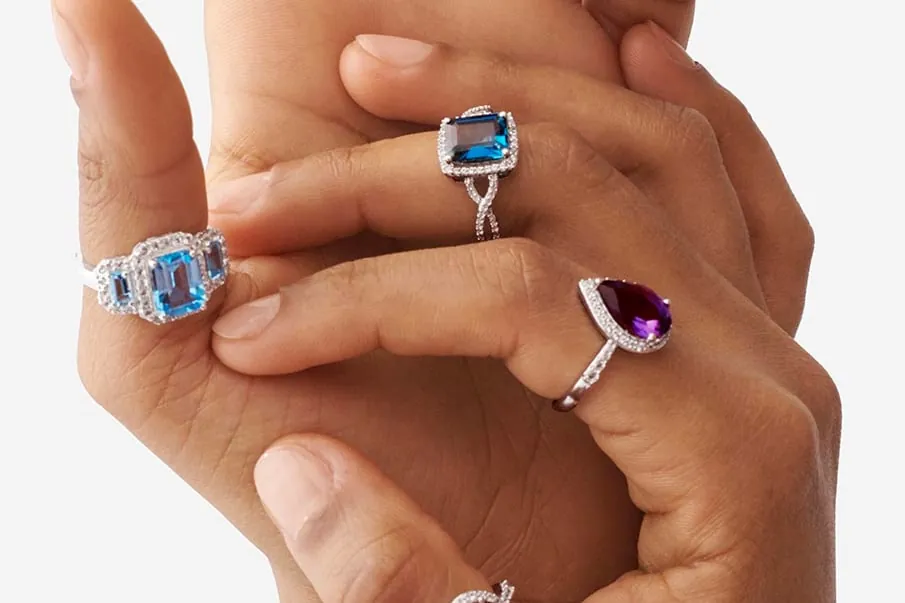
Pearls, opals, turquoise, coral, and similar materials need a different playbook. They’re softer, often porous, and sensitive to water, heat, and chemicals.
- Wipe with a soft, damp cloth after each wear to remove skin oils, then dry immediately with a dry cloth.
- Never soak these stones—water can seep into opals and cause crazing (fine surface cracks), and it can degrade the nacre on pearls.
- Keep them away from perfume, hairspray, and lotions, which can stain or etch the surface. Put jewelry on last, after cosmetics have dried.
- Store pearls separately from harder stones, since a diamond can scratch a pearl easily.
For a pearl ring, a barely damp cloth is the entire routine. If the setting itself (the metal) is grimy, clean the metal with a cotton swab dipped in soapy water, keeping the stone dry.
What to Never Do to a Ring
Some cleaning shortcuts cause permanent damage. These are the ones to avoid:
- Don’t use bleach or chlorine. Chlorine can pit and weaken gold alloys over time and damages many stones; take rings off before swimming in pools or using household cleaners.
- Don’t use abrasive cleaners—scouring powder, toothpaste with grit, or baking soda paste on polished metal—since these scratch the surface. (Baking soda is fine in the foil bath for silver, where it isn’t rubbed into the metal.)
- Don’t boil or use very hot water, which can loosen glued settings and crack some stones.
- Don’t use an ultrasonic cleaner on opals, pearls, emeralds, or any ring with glued-in stones; the vibration can loosen settings and damage soft material.
- Don’t dry with paper towels, which can leave lint in prongs and micro-scratches on soft metal.
Warning: If a ring has a loose stone, a bent prong, or a crack in the metal, clean it gently or not at all until a jeweler inspects it—brushing can dislodge a stone that’s barely holding on.
When to Skip Home Cleaning and See a Jeweler
Some situations call for a professional rather than a bowl of soapy water. Take the ring to a jeweler if:
- A stone is loose or rattles when you tap the ring gently.
- A prong is bent, worn thin, or missing—prongs wear down over years and are the most common reason stones fall out.
- The ring has deep scratches or a worn rhodium finish that needs re-plating.
- There’s heavy tarnish or grime in a setting you can’t reach, or the ring has been stored unworn for years.
- The piece has sentimental or high value and you’re unsure of the stone or treatment.
Many jewelers offer free or low-cost inspections and cleanings, often while you wait, and a quick check can catch a worn prong before it fails. The U.S. Federal Trade Commission’s guidance on jewelry care and marketing is a useful reference for understanding care claims, and professional inspection is the one maintenance step most people skip.
Drying, Storing, and Preventing Buildup
Cleaning is only half the job; how you store and wear rings determines how fast they get dirty again.
- Dry completely before storing—trapped moisture encourages tarnish on silver and water spots on plated metals.
- Store rings separately in a lined jewelry box or soft pouches so harder stones don’t scratch softer metal or gems.
- Remove rings before washing dishes, applying lotion, cleaning with household products, swimming, or working out—these are the biggest sources of buildup and damage.
- Wipe rings with a soft cloth after wearing to remove skin oils before they set.
- Clean routinely—a quick soapy soak every few weeks keeps the deep clean short.
| Task | How often | Time needed |
|---|---|---|
| Quick wipe after wearing | Daily | Seconds |
| Soapy soak and brush | Every 2–4 weeks | 10 minutes |
| Silver polish (if tarnished) | As needed | 5 minutes |
| Professional inspection | Once a year | Varies |
These intervals are sensible starting points, not rules—rings worn daily and exposed to lotions need cleaning more often than occasional-wear pieces.
Common Cleaning Mistakes and Fixes
Even careful cleaners run into problems. Here’s how to troubleshoot the usual ones.
“My ring still looks dull after cleaning”
Residue may be trapped under the stone. Soak longer (15 minutes), brush from underneath, and rinse thoroughly—soap film left behind looks exactly like dullness. For silver, the issue may be tarnish rather than grime, which needs the polishing cloth or foil bath.
“The stone looks cloudy”
Cloudiness on a diamond or sapphire is almost always film on the underside, not the stone itself. On softer stones like opal, cloudiness can be a sign of moisture damage—stop cleaning and have it checked.
“I see scratches on the metal”
Micro-scratches are normal wear on gold and platinum and can be polished out by a jeweler. Prevent new ones by storing rings separately and avoiding abrasive cleaners.
“The ring turned my finger green”
This is common with copper-containing alloys and often just a reaction between metal and skin oils or lotion—clean the ring thoroughly and dry it; a jeweler can apply a protective plating if it persists.
Related guides
- How to Clean 14K Gold: Expert Tips for Sparkling Jewelry
- How to Clean Meteorite Ring: Expert Tips for Lasting Shine
Frequently Asked Questions
Can I clean my ring with toothpaste?
No—toothpaste contains mild abrasives that scratch polished gold, silver, and softer stones. Use mild dish soap and a soft brush instead; it cleans just as well without dulling the surface.
How do I clean a diamond ring at home?
Soak it in warm water with a few drops of mild dish soap for ten minutes, brush gently with a soft toothbrush (especially under the stone), rinse, and pat dry. This is safe for diamonds and most settings, but check that prongs are tight first.
Is it safe to use an ultrasonic cleaner on rings?
It’s generally safe for diamond, sapphire, ruby, gold, platinum, and silver rings with secure settings. Avoid it for pearls, opals, emeralds, turquoise, and any ring with glued stones, since vibration can loosen settings or damage soft material.
How often should I clean my rings?
A quick wipe after each wear and a soapy soak every two to four weeks suits most daily-wear rings. Rings exposed to lotion, cooking, or cleaning products may need it more often. Have settings inspected professionally about once a year.
Can I clean rings with vinegar?
White vinegar can help with light tarnish and hard-water spots on some metals, but it’s acidic and can damage pearls, opals, and treated stones. For most rings, mild dish soap is safer and just as effective.
Why does my silver ring turn black so fast?
Silver tarnishes when it reacts with sulfur compounds in the air, and humidity, wool storage, and rubber bands speed it up. Storing silver in an anti-tarnish pouch or sealed bag and wearing it regularly slows tarnish significantly.
Conclusion
Most rings don’t need special products—they need warm water, a drop of dish soap, a soft brush, and a bowl to catch them. Start with the ten-minute soak-and-brush method on one ring today, note whether the stone and metal tolerate it, and build a simple routine from there; for anything loose, worn, or unfamiliar, let a jeweler take a look before you clean.