
Mold on wood furniture is a fixable problem, and in most cases you can remove it yourself with a few household supplies and some patience. The key is to kill the mold at the surface, lift the stains out of the grain, and then dry the piece thoroughly so it doesn’t come back. Below is a step-by-step method, plus what to do when the mold has gone deeper than the finish.
Key Takeaways
- Surface mold on finished wood usually comes off with a mild detergent or a diluted white vinegar solution; never mix bleach with vinegar or ammonia.
- Plain white vinegar (acetic acid) is gentler on wood finishes than bleach and is the safer first choice for sealed furniture.
- Sanding is only for mold that has penetrated the finish or the wood fibers — stop at bare wood and refinish immediately.
- Mold needs moisture to survive, so fix the humidity source (a leak, a damp room, a wet basement) or the mold will return.
- Porous or unfinished wood with deep black staining may be permanently damaged and worth replacing rather than cleaning.
- Anyone with asthma, allergies, or a weakened immune system should let someone else do the cleaning or wear an N95 respirator.
What Causes Mold on Wood Furniture
Mold spores are everywhere in indoor air; they only become a problem when they land on a surface that stays damp. On wood furniture, the usual culprits are:
- High indoor humidity — sustained levels above roughly 60% give spores the moisture they need to colonize.
- Direct water exposure — a leaky roof, a sweating pipe, a spilled drink that soaked into a joint, or a flooded basement.
- Condensation — furniture pushed against a cold exterior wall or stored in an unheated garage or shed.
- Poor air circulation — a piece shoved into a corner with no airflow stays damp far longer.
- Storage in damp spaces — basements, attics, and unventilated storage units are the classic mold incubators.
- Organic residue — food crumbs, spilled juice, or a sticky finish give mold a food source on top of the moisture.
Wood itself is a porous organic material, which is exactly what mold likes. The finish (lacquer, polyurethane, wax, oil) is the barrier — once it cracks, wears through, or was never applied, moisture gets into the fibers and mold follows.
Signs Mold Has Spread Into the Wood
Surface mold looks like fuzz or a powdery film. Mold that has moved into the wood looks different, and the difference matters because it changes your whole approach:
| Sign | What It Usually Means | What To Do |
|---|---|---|
| White or green fuzzy patches on the surface | Surface mold on the finish | Wipe down and dry |
| Black or dark green speckles that won’t wipe off | Mold staining the finish or top layer of wood | Light sanding, then refinish |
| Musty smell that persists after cleaning | Mold in joints, cracks, or the underside | Treat the whole piece, not just the visible spot |
| Soft, spongy, or crumbly wood | Rot — the wood fibers are breaking down | Stop; the piece likely needs professional repair or replacement |
| Mold returns within weeks | An ongoing moisture source you haven’t fixed | Find and fix the humidity or leak first |
If the wood is soft enough that a screwdriver sinks in easily, you’re past cleaning and into structural damage. That’s a job for a furniture restorer, not a rag and vinegar.
Supplies You Actually Need
Gather these before you start so you’re not running to the store mid-job:
- White vinegar (standard 5% household strength)
- Mild dish soap or a pH-neutral wood cleaner
- Warm water and two buckets
- Clean microfiber cloths and a soft-bristle brush
- N95 respirator, nitrile gloves, and eye protection
- Fine-grit sandpaper (220-grit) for spot treatment
- A matching finish (wax, oil, or clear coat) to reseal the wood
- A fan or dehumidifier to dry the piece
- Plastic sheeting or a drop cloth to protect the floor
Skip bleach for finished wood. It’s harsh on finishes, it can lighten the wood unevenly, and it’s dangerous to mix with the vinegar you may also be using.
Step-by-Step: Cleaning Surface Mold
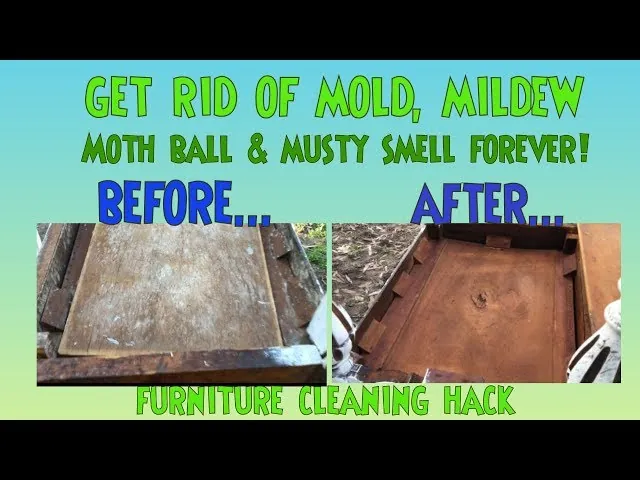
This is the method for mold sitting on top of a sealed finish — the most common situation.
1. Move the piece outside or to a ventilated area
Mold releases spores the moment you disturb it. Work outdoors, in a garage with the door open, or in a room with windows open and a fan running. Put down a drop cloth.
2. Suit up
Put on the N95 respirator, gloves, and eye protection before you touch anything. This isn’t overkill — inhaling mold spores can trigger allergic reactions and asthma attacks, and the CDC notes that people with weakened immune systems are at higher risk from mold exposure.
3. Vacuum or brush off loose mold
Use a soft brush or a vacuum with a HEPA filter to remove the fuzzy surface growth before it gets wet. Wetting mold first just smears spores around. Bag or dispose of the brushings.
4. Wipe with a vinegar solution
Mix equal parts white vinegar and warm water. Dampen (don’t soak) a microfiber cloth, wring it out well, and wipe the affected area. Vinegar’s acetic acid helps kill surface mold and is far gentler on finishes than bleach. Let it sit a few minutes, then wipe with a clean damp cloth.
5. Dry immediately and completely
This is the step people skip, and it’s the one that decides whether the mold returns. Wipe the piece dry with a clean cloth, then run a fan on it or place it in a dehumidified room until it’s bone dry — especially the joints, the underside, and the back.
Pro Tip: Point a fan directly at the piece for several hours rather than letting it air-dry in a closed room. Moving air dries wood far faster than still air, and fast drying is your best defense against a repeat outbreak.
When To Sand and Refinish
If dark staining remains after wiping, the mold has stained the finish or the top layer of wood. That calls for light sanding:
- Let the piece dry completely first.
- Sand the stained area with 220-grit paper, always with the grain, using light pressure.
- Stop as soon as you reach clean, unstained wood — don’t dig deeper than you need to.
- Wipe away all sanding dust with a tack cloth.
- Apply a matching finish (wax, oil, or clear coat) right away to reseal the wood.
Unfinished or oiled wood may absorb the vinegar and stain more deeply. Test any cleaner on a hidden spot — the underside or the back of a leg — before committing to a visible surface.
How To Handle Deep or Widespread Mold
When mold covers a large area or has soaked into joints and crevices, surface wiping won’t reach it. Options, roughly in order of effort:
- Treat joints and crevices with vinegar on a cotton swab or a small brush, then dry thoroughly with forced air.
- Remove and replace badly affected structural pieces — a moldy drawer bottom or back panel can often be replaced rather than cleaned.
- Call a furniture restorer for antiques, veneered pieces, or anything with sentimental or monetary value. Aggressive DIY cleaning can ruin a veneer or a historic finish.
- Discard pieces with soft, crumbling wood or a mold smell that persists after treatment. Rot can’t be cleaned out.
Preventing Mold From Coming Back
Cleaning is only half the job. Mold returns wherever moisture returns, so address the source:
| Prevention Step | Why It Works |
|---|---|
| Keep indoor humidity around 30–50% | Below roughly 60%, mold struggles to grow |
| Run a dehumidifier in basements and storage rooms | Removes the moisture mold feeds on |
| Keep furniture a few inches off exterior walls | Prevents condensation on cold surfaces |
| Wipe up spills immediately and dry the spot | Stops moisture from soaking into joints |
| Wax or oil finished wood once or twice a year | Maintains the barrier that keeps moisture out |
| Store furniture in dry, ventilated spaces | Basements and sheds are mold’s favorite homes |
Warning: Don’t seal a piece with a fresh coat of finish until it’s completely dry. Trapping residual moisture under a new finish is a reliable way to grow mold inside the wood, where you can’t reach it.
Safety and When To Call a Professional
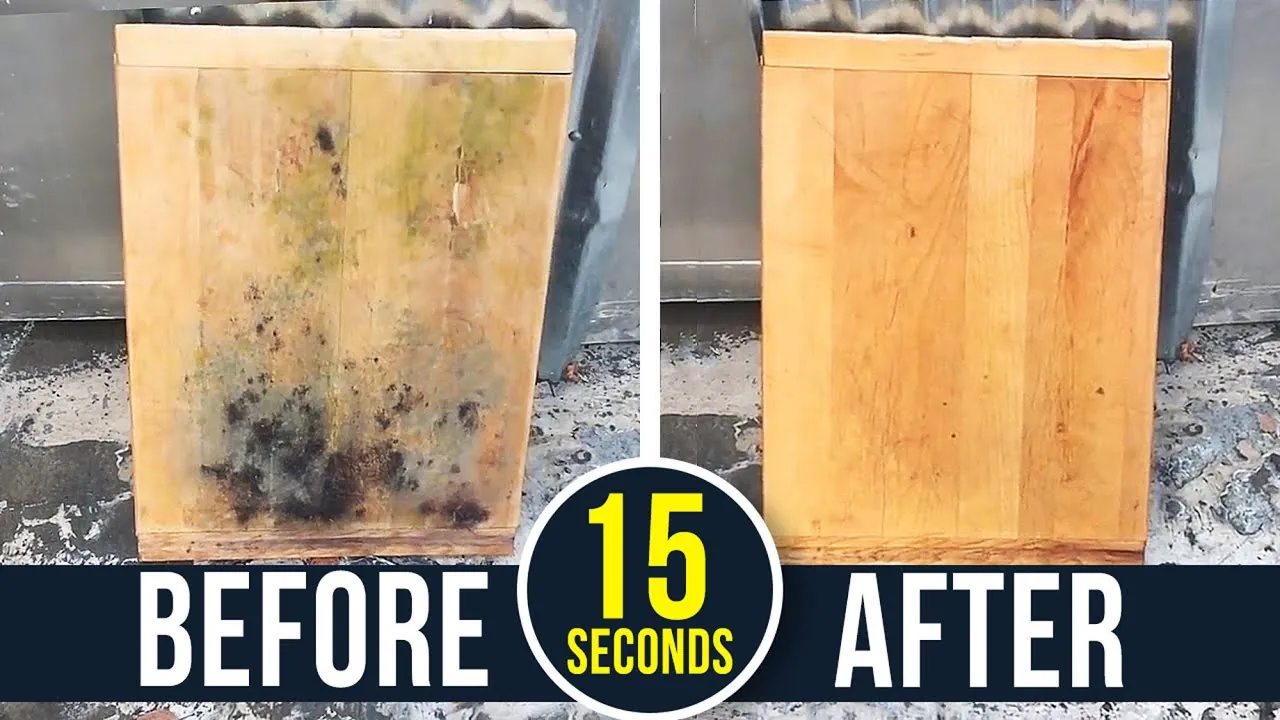
Mold cleanup is a DIY job for small surface outbreaks, but not always. Take it seriously if:
- The mold covers more than about 10 square feet — the EPA generally recommends professional remediation for larger areas.
- Anyone in the home has asthma, severe allergies, or a compromised immune system.
- The furniture is an antique, veneered, or otherwise valuable.
- The wood is soft, crumbly, or structurally compromised.
- The mold keeps returning despite fixing the moisture source.
If you experience wheezing, shortness of breath, or a persistent cough while cleaning, stop and get fresh air. People with respiratory conditions shouldn’t be the ones doing the cleaning.
Related guides
- How to Clean Grime off Antique Wood Furniture: Expert Tips
- How to Clean Polyurethane off Brushes: Expert Tips and Tricks
- How to Clean Polyurethane off Brush: Expert Tips & Tricks
Frequently Asked Questions
Can I use bleach to clean mold off wood furniture?
Bleach can kill mold, but it’s a poor choice for finished wood. It’s harsh on finishes, can lighten the wood unevenly, and is dangerous if mixed with vinegar or ammonia. Use diluted white vinegar or a mild detergent instead, and save bleach for non-porous surfaces like tile or grout.
Does vinegar really kill mold?
White vinegar’s acetic acid can kill many types of household mold on contact and is a common, gentler alternative to bleach for wood. It works best on surface mold and as part of a routine; it won’t fix mold that has penetrated deep into the wood or solve an ongoing moisture problem.
Can moldy wood furniture be saved?
Often, yes. Surface mold on a sealed finish usually cleans up completely. Mold that has stained the finish can be sanded and refinished. But wood that’s soft, crumbly, or smells musty after treatment has likely rotted and may need replacement or professional repair.
How long does it take to get rid of mold on furniture?
Surface mold can be cleaned in an hour or two, but thorough drying takes several hours to a full day depending on the piece and the room. The bigger time commitment is prevention: fixing the humidity or leak that caused the mold in the first place.
Will vinegar damage my wood finish?
Diluted white vinegar is generally safe on sealed finishes when you wring the cloth out well and don’t let it sit. Undiluted vinegar left on the surface, or used on wax or oil finishes, can dull the finish. Always test on a hidden spot first.
Should I throw away moldy furniture?
Not automatically. Small surface outbreaks are cleanable. Discard pieces with soft, crumbling wood, a persistent mold smell after treatment, or mold that keeps returning despite fixing the moisture source — those are signs of rot or deep contamination.
Conclusion
Mold on wood furniture is usually a moisture problem wearing a disguise, so clean the visible growth, dry the piece completely, and then hunt down the dampness that started it. If you’re unsure whether the piece is salvageable, snap a photo of the affected area and ask a local furniture restorer for an opinion before you decide.