
A leather coat is a long-term investment, and the single most important thing to understand before you touch it’s that leather is skin: it responds well to gentle, pH-appropriate care and badly to harsh detergents, heat, and soaking. You can clean most leather coats at home with a soft cloth, a mild leather cleaner or a heavily diluted soap solution, and a little patience — but the method depends entirely on what kind of leather you’re dealing with and what kind of dirt is on it.
Key Takeaways
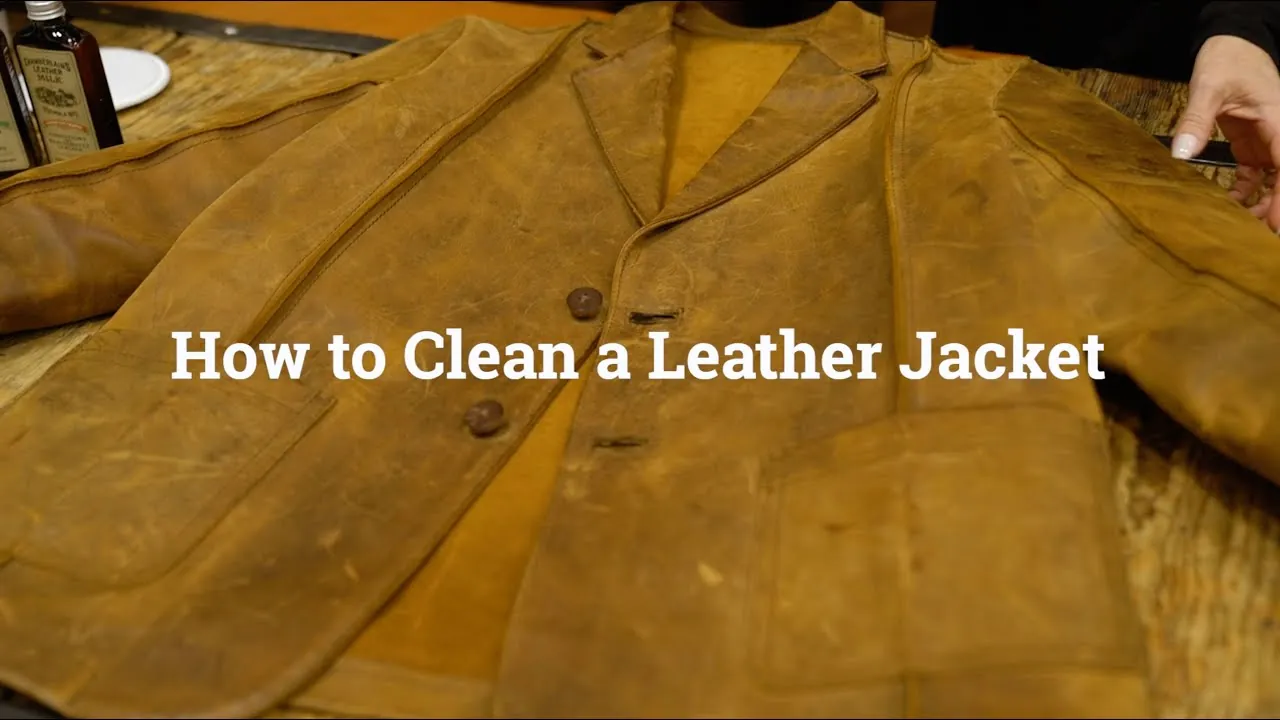
- Identify the finish first. Smooth, finished leather can be wiped and conditioned at home; suede, nubuck, and unfinished leather need different tools and a much lighter touch.
- Never machine wash or soak a leather coat. Water saturation can stiffen, shrink, or distort the hide and can leach out the oils that keep it supple.
- Test everything on a hidden spot — inside the hem, under the collar, or inside a pocket flap — and let it dry fully before you commit to the whole coat.
- Blot stains, don’t rub them. Rubbing drives pigment and oils deeper into the grain and can burnish the finish permanently.
- Condition after cleaning, not before. Cleaning strips some surface oils; conditioner replaces them and keeps the leather from cracking.
- Know when to stop. Mold, deep ink, large oil saturation, and structural damage are jobs for a leather specialist, not a home kit.
First, Identify Your Leather Type
Before any cloth touches the coat, check the care label and look closely at the surface. The same stain that wipes off a finished cowhide can permanently mark suede.
| Leather type | How to recognize it | Can you clean it at home? | Main risk |
|---|---|---|---|
| Finished / smooth leather (aniline-topped, pigmented, patent) | Even sheen, feels smooth and slightly cool, water beads on the surface | Yes — wipe, clean, condition | Over-wetting, harsh soap dulling the finish |
| Suede | Velvety, matte, nap lifts when you brush it | Partially — dry brushing and a suede eraser only | Water spots and matting that won’t brush out |
| Nubuck | Like suede but with a finer, shorter nap | Partially — same as suede, more delicate | Abrasion and dark water rings |
| Unfinished / raw leather | Porous, absorbs a water drop instantly, no shine | No — professional clean | Staining and blotchiness from any liquid |
| Patent / glossy coated | High mirror shine, slick surface | Yes — damp cloth only | Solvents and abrasives cloud the coating |
| Faux leather / polyurethane | Label says polyurethane, PU, or “vegan leather” | Yes — mild soap and water | Heat damage and peeling at seams |
If the label is missing or ambiguous, the water-drop test helps: a single drop on an inconspicuous spot that beads up suggests a finished surface; one that darkens and sinks in suggests suede, nubuck, or unfinished leather. Either way, that drop is now part of your test patch — let it dry before deciding.
Gather the Right Supplies
You need very little, and most of it’s probably already in the house. What matters is that nothing you use is abrasive, solvent-based, or strongly alkaline.
- Two or three soft microfiber cloths — one for cleaning, one for rinsing, one for drying.
- A soft horsehair brush or a clean, soft shoe brush for dust and for reviving nap on suede.
- Mild leather cleaner designed for finished leather, or a tiny amount of pH-neutral soap (baby shampoo or a dedicated leather soap) diluted heavily in water.
- Leather conditioner matched to the finish — cream or lotion for smooth leather, never on suede.
- Distilled or filtered water if your tap water is hard; minerals can leave marks.
- Cotton swabs for seams, stitching, and buttonholes.
- A suede eraser and suede brush if you own suede or nubuck.
Warning: Skip household standbys like dish soap, all-purpose spray cleaner, bleach, vinegar, acetone, nail polish remover, and alcohol wipes. They can strip the finish, dry the hide, or dye-transfer the color right off the surface.
The Standard Cleaning Method, Step by Step
This is the routine for a finished, smooth leather coat that’s dusty or lightly soiled — the most common situation.
Step 1: Empty, brush, and air
Empty every pocket, unbutton the coat, and turn the lining out where possible. Brush or wipe down the whole exterior with a dry cloth to lift loose dust and grit. Grit is abrasive; if you start wiping a dirty coat with a damp cloth, you’re grinding particles into the finish.
Step 2: Run your patch test
Choose a hidden area — inside the front hem, under the collar, or the inside of a cuff. Apply a small amount of your cleaner or diluted soap with a cloth, wait, and let it dry completely (at least an hour). Check for color loss, dulling, stiffening, or ringing. If any of those appear, stop and switch to a professional cleaner.
Step 3: Wipe in small sections
Dampen — don’t soak — a microfiber cloth with cleaner or diluted soap. Work in sections the size of your hand, using light circular motions on flat panels and following the seams. Rinse the cloth and wring it out so it’s barely damp, then wipe away residue. Overlap sections slightly so you don’t leave tide lines where one area dries before the next.
Step 4: Mind the details
Use cotton swabs along stitching, around buttons, in buttonholes, and where the collar meets the body. These are where body oils and grime collect, and they’re also where excess moisture can wick into the leather. Don’t scrub; roll the swab.
Step 5: Dry properly
Wipe the coat with a dry cloth to remove surface moisture, then hang it on a broad, padded hanger in a well-ventilated room, away from radiators, sunny windows, and hair dryers. Never use direct heat to speed drying — heat is one of the fastest ways to stiffen and crack leather. Let it dry for several hours, ideally overnight, before you handle it further.
Step 6: Condition
Once fully dry, apply a thin layer of leather conditioner with a clean cloth, working it in with small circular motions and paying attention to creases at the elbows and shoulders. Buff off any excess after a few minutes. Conditioner restores flexibility and helps repel future moisture; a little goes a long way, and a greasy coat attracts dirt.
How to Clean a Leather Coat’s Lining
The lining is usually textile — polyester, viscose, acetate, or a cotton blend — and it takes the brunt of body oils and odor. Check the care label inside the lining itself, since it may differ from the outer shell.
In most cases you can spot-clean the lining with a cloth dampened with mild soapy water, working from the hem upward, then wipe with clean water and air-dry. If the label permits and the lining is removable or the coat is unlined, a gentle hand-wash of the lining alone is sometimes possible — but never submerge the leather shell.
Stain-by-Stain Playbook
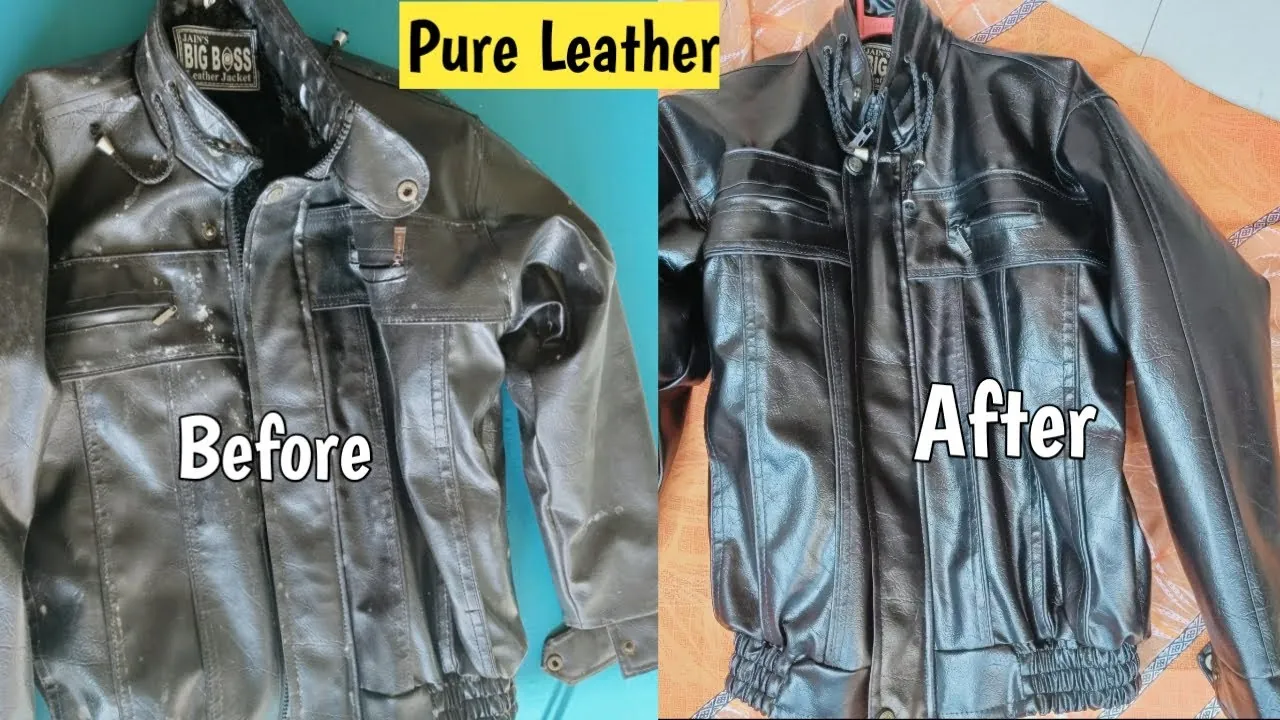
Treat stains as soon as you notice them, from the outside in, and always blot rather than rub. Test each remedy on a hidden spot first.
| Stain | First move | What to avoid | When to give up |
|---|---|---|---|
| Water spots | Dampen the whole panel evenly with distilled water and let it dry slowly away from heat | Spot-wetting just the ring | Rings that reappear after two even-drying attempts |
| Oil or grease | Blot immediately; sprinkle cornstarch or talc on the spot, leave several hours, brush off, then clean | Rubbing, hot water, dish soap | A dark, saturated patch larger than a coin |
| Ink | Dab — don’t wipe — with a cotton swab and a tiny amount of isopropyl alcohol on finished leather only | Alcohol on suede, patent, or unfinished leather | Any ink that has soaked into the grain |
| Mud | Let it dry completely, then brush off; clean the residue with a damp cloth | Wiping wet mud, which pushes it into pores | Mud that has dried into stitching and seams |
| Body oils at collar and cuffs | Wipe with diluted leather soap, rinse with a barely damp cloth, condition after drying | Harsh degreasers | Persistent darkening of the leather itself |
| Mildew / mold | Isolate the coat outdoors, brush off visible spores wearing a mask, then have it professionally treated | Cleaning it yourself and storing it with the rest of your coats | Any moldy smell or spotting that returns |
Pro Tip: For grease, patience beats scrubbing. Cornstarch left on the spot for several hours draws oil out of the surface; repeating that two or three times removes far more than aggressive wiping ever will, and it costs nothing.
Cleaning Suede and Nubuck Coats
Suede needs a completely different approach, and water is the enemy. Let mud and dirt dry completely, then brush with a suede brush in one direction to lift the nap. Use a suede eraser on scuffs and dry marks with short, back-and-forth strokes.
For deeper soil, a dedicated suede shampoo applied sparingly with a sponge — never poured on — followed by brushing once dry is the limit of what most people should attempt at home. Water spots on suede are notoriously hard to fix evenly; if the coat is valuable or the stain is large, a specialist is the safer call.
Drying and Reconditioning After Cleaning
Correct drying prevents most of the damage people blame on cleaning. Hang the coat on a broad, padded hanger that supports the shoulders — wire hangers distort the shape — and give it space so air circulates around it. Keep it out of direct sun, which can fade dye, and away from heat sources.
Once dry, condition smooth leather, then buff. If the leather feels stiff or dry after drying, a second thin conditioning pass a day later usually helps; if it still feels rigid, that’s a sign the coat was over-wetted and may need professional attention.
What Never to Do to a Leather Coat
- Never machine wash it, even on a delicate cycle, and never put it in a dryer.
- Never soak it in a tub, sink, or bucket — saturation is the root cause of stiffness and shrinkage.
- Never use bleach, ammonia, vinegar, acetone, or alcohol-based cleaners on anything but a tested spot of finished leather.
- Never scrub with abrasive pads, stiff brushes, or melamine sponges.
- Never dry-clean blindly. Traditional dry cleaning solvents can be harsh on leather; only a cleaner experienced with leather should handle it.
- Never store it in a plastic bag — trapped moisture encourages mold. Use a breathable garment bag.
When to Take It to a Professional
Some problems are beyond a cloth and a bottle of conditioner. Take the coat to a leather specialist if you see mold or a persistent musty smell, ink that has soaked into the grain, large oil-saturated areas, cracking or flaking of the finish, color loss from a failed spot test, or water damage that has left the leather stiff.
Professionals also handle re-dyeing, refinishing, and seam repair, which no home kit can replicate. Expect the cost of a professional clean to vary widely by region and coat type; get a quote before committing, and ask specifically whether they clean leather in-house or send it out.
Storing a Clean Coat So It Stays Clean
Clean the coat before storage, not after — body oils and food residue attract pests and set into the leather over months. Hang it on a padded hanger in a breathable garment bag, leave a little space around it for airflow, and keep it away from damp basements and hot attics.
A cool, dry, dark closet is ideal. Avoid storing leather against other leather for long periods, and never seal it in plastic. Check it once a season for dust, mold, or drying, and condition lightly if the leather feels dry.
Frequently Asked Questions
Can I clean a leather coat with just water?
Plain water is fine for a quick wipe on finished leather, but it doesn’t remove oils or grime and can leave water spots if applied unevenly. For anything beyond light dust, use a mild leather cleaner or heavily diluted pH-neutral soap, then wipe with a barely damp cloth and dry away from heat.
Can I machine wash or dry-clean a leather coat?
Don’t machine wash it — agitation and saturation can ruin the shape and finish. Traditional dry cleaning can also be harsh on leather, so only use a cleaner that specifically handles leather garments. Check the care label first and ask the cleaner directly how they treat leather.
How do I get rid of a musty or smoky smell in a leather coat?
Air it outdoors in the shade for a few hours at a time, over several days, and wipe the lining with a damp cloth. Don’t use fabric sprays or perfumes, which can stain the leather. If a musty smell persists, mold may be present — have it assessed professionally rather than masking it.
Why did my leather coat get stiff after cleaning?
Over-wetting and fast drying are the usual culprits. Leather stiffens when moisture displaces its natural oils, and heat speeds that process. Let it dry slowly at room temperature, then apply a thin layer of leather conditioner. If stiffness remains after conditioning, a specialist may need to recondition it.
Can I use baby wipes or disinfecting wipes on leather?
Baby wipes are a reasonable emergency option on finished leather because they’re mild and water-based, but they can leave residue. Disinfecting wipes containing alcohol or bleach can strip the finish — avoid them. Neither replaces a proper clean-and-condition routine.
How often should a leather coat be cleaned?
Clean it when it looks or feels dirty, and at least once before storing it for the season. A light wipe-down and a conditioning once or twice a year is enough for most coats in normal use. Over-cleaning can dry the leather as much as neglect.
Conclusion
Start with the smallest possible intervention: brush off the dust, test a hidden patch, and clean one section at a time. If you’re unsure about the leather type or the stain, set the coat aside and get a quote from a leather specialist before you try anything — a ten-minute conversation is cheaper than a ruined coat.