
A leather boot gets clean with a soft brush, a little saddle soap or mild leather cleaner, and water you can barely feel — not a soak. The whole job takes about 20-30 minutes per pair, plus drying time of 12-24 hours away from heat. It’s medium difficulty: easy to do, easy to ruin if you rush the drying. You need one thing before you start — the boot’s own care label or the maker’s care page, because finished leather, suede and oiled leather take different products.
Cost is low: a basic kit (brush, cleaner, conditioner, cloths) is a one-time buy, and prices vary by brand, so check the maker’s site or a local shoe repair shop for what’s on the shelf near you. Difficulty sits at medium — needs care, not skill.
What you need to clean leather boots
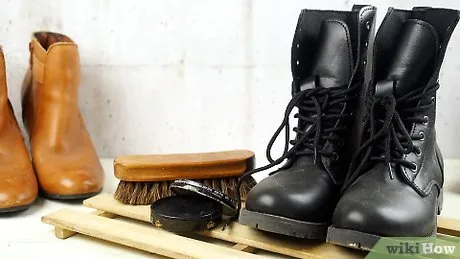
| Item | How much | Why it’s needed | A substitute |
|---|---|---|---|
| Soft horsehair brush | 1, medium stiffness | Lifts dry dirt without scratching | Old soft toothbrush, small areas only |
| Leather cleaner or saddle soap | A coin-sized amount per boot | Lifts grease and grime | Mild soap flakes in water — don’t swap |
| Clean cloths | 3-4, lint-free | Wipe, rinse, buff | Old cotton T-shirt, washed |
| Leather conditioner | A pea-sized amount per boot | Replaces oils cleaning strips | None — don’t swap this |
| Shoe trees or newspaper | 1 pair, or 2-3 sheets | Holds shape while drying | Rolled plain paper, no ink |
| Water | 1 cup, barely warm | Dilutes cleaner, rinses cloth | None — don’t swap this |
| Waterproofing spray | 1 light coat, if labeled for leather | Adds a dirt barrier | None — check the label first |
A word on the two rows marked “don’t swap.” Conditioner is the one item where a household stand-in does real harm. Cooking oil and body lotion sit on the surface and go rancid or attract dirt, and neither soaks in the way a product made for leather does.
Water is the other. Hot water opens the grain and pulls out the oils the conditioner is meant to put back, so barely warm is a ceiling, not a suggestion.
On the brush, medium stiffness is doing specific work. A stiff brush on smooth leather leaves a dull scuff that no amount of buffing brings back. If your only brush is stiff, use it on the welt and the sole edge and keep it off the upper.
None of this is expensive, and most of it’s already in the house. A washed cotton T-shirt cut into squares makes better cloths than most lint-free packs, because you know it has been through a wash with no fabric softener.
Before you start on leather boots
- Take out laces and insoles. Laces hold grit that scratches the leather, and insoles trap damp. Wash laces separately by hand in warm water with a drop of soap, and let them air dry flat.
- Brush off all loose dirt while the boot is dry. Do this outside or over a bin. Dirt turns to grit when wet, and grit is what cuts the surface.
- Stuff the boot with a shoe tree or rolled paper. This holds the shape so the leather doesn’t crease as you press on it.
- Test the cleaner on a hidden spot first. Use the inside of the heel or under the tongue, wait 10 minutes, and check for color change.
- The step people skip: reading the care label. Finished leather, suede, nubuck and oiled leather need different products, and the wrong one can stain or stiffen the boot. If the label is gone, check the maker’s official care page before you touch anything.
Stop here if the leather is cracked through, has deep gouges, or the boot is a vintage or exotic skin (snake, ostrich, alligator). Those need a professional shoe repairer, not a home kit.
How do you clean leather boots?
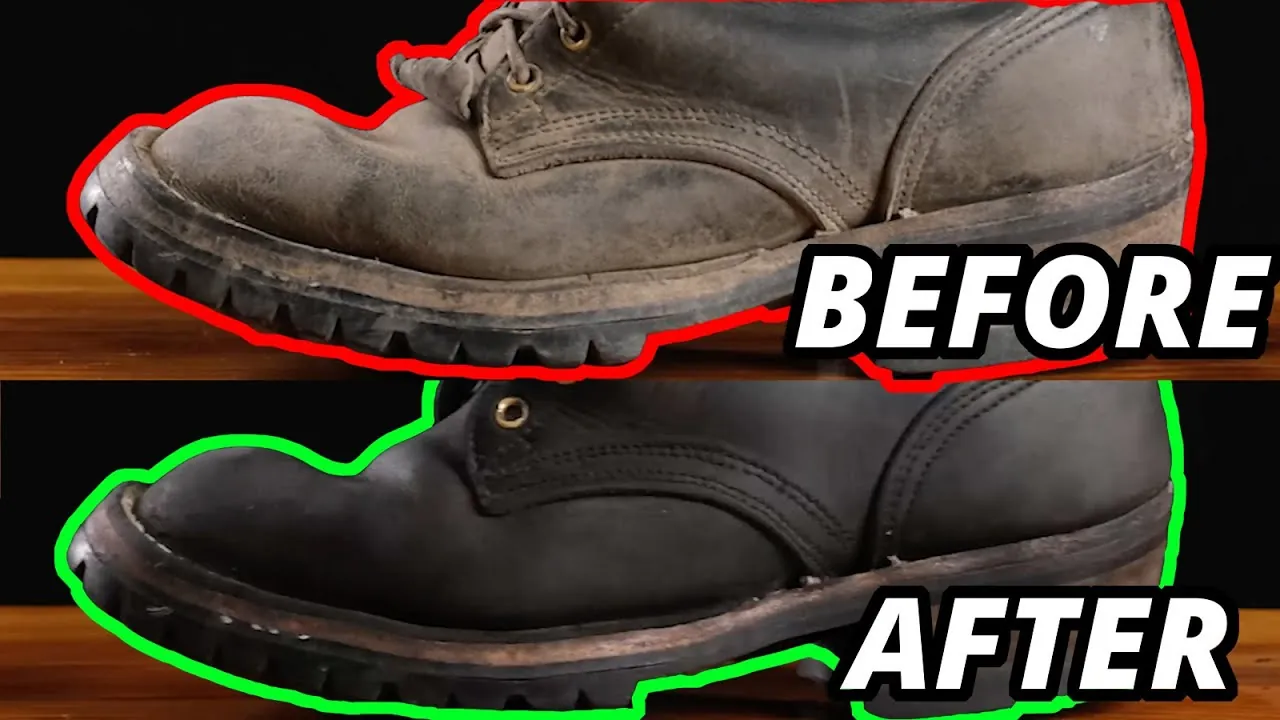
- Remove laces and insoles and set them aside. This takes about 1 minute per boot. You’ll know it worked when the boot is open and you can reach every panel, including the tongue and the eyelet area.
- Brush the whole boot dry with the horsehair brush. Use short strokes, about 30 seconds per boot, working from the top down. The step worked when no more dust falls off and the brush moves smoothly over the surface.
- Wipe the boot with a barely damp cloth. Wring the cloth until no water drips. Run it over the whole boot once — about 1 minute. You’ll see the cloth pick up a grey film; that’s normal surface dirt coming off.
- Load the brush with a small amount of cleaner. A coin-sized amount is enough for one boot. Swirl the brush in the soap or cleaner, then tap off any excess so it isn’t dripping.
- Work the cleaner in small circles over one panel at a time. Spend about 20-30 seconds per panel, and don’t scrub hard — pressure damages the grain. Move on when the panel looks evenly coated, not patchy.
- Wipe the cleaner off with a clean damp cloth straight away. Don’t let cleaner sit and dry on the leather. Use a fresh section of cloth and rinse it when it gets dirty. The step worked when the cloth comes away clean and the leather looks even in color.
- Repeat on the second boot, then let both air dry. Keep them away from radiators, sun and hair dryers — heat cracks leather. Drying takes 12-24 hours depending on humidity, and the boot is ready when it feels dry and cool to the touch, not damp.
- Apply conditioner with a clean cloth or your fingers. Use a pea-sized amount per boot and rub it in thin, even layers. Wait 10-15 minutes, then buff off any excess with a dry cloth. The step worked when the leather feels supple and no greasy film is left.
- Put the laces and insoles back in. Laces should be fully dry before they go back — damp laces grow mold inside the boot. Check the insoles are dry too, then slide them in flat.
- Spray waterproofing in a well-ventilated spot, if your product is labeled for leather. Hold the can about 6-8 inches away and use one light coat. Let it dry for the time on the label, usually a few hours, before wearing. Skip this on suede unless the label says otherwise.
How to tell the cleaning worked
The leather looks even in color, with no dark patches or tide marks where cleaner dried unevenly. Run a finger across the surface: it should feel smooth and slightly supple, not stiff or tacky. The boot should also feel dry and cool after 12-24 hours of air drying, with no damp smell at the tongue or heel.
A second sign is the cloth. When you buff off conditioner, a clean dry cloth should come away with almost nothing on it. If it’s still picking up greasy residue, you used too much and need to buff longer.
It needs another round if you can still see a grey film in the creases, or if water no longer beads on the surface after waterproofing. A light second clean with a fresh cloth and a smaller amount of cleaner usually fixes it. If the leather still feels stiff after conditioning, wait a day and apply one more thin coat — don’t stack coats in one sitting.
How much conditioner a boot absorbs depends on the leather’s finish and how dry your climate is, so there’s no single right amount. Read the maker’s own care page for your model — that’s where your boot’s real number lives, not on a general guide.
If something goes wrong with leather boots
| What happened | Why | What to do |
|---|---|---|
| Dark tide marks after drying | Too much water or cleaner left on | Damp cloth wipe, dry fully, condition lightly |
| Leather feels stiff and hard | Over-cleaning stripped the oils | One thin coat of conditioner, wait a day |
| Color came off on the cloth | Cleaner too strong for the finish | Stop, check the label, use a milder product |
| White crusty patches appear | Soap residue dried in the grain | Wipe with a barely damp cloth, dry, buff |
| Boots still smell damp after 24 hours | Trapped moisture, no airflow | Remove insoles, stuff with dry paper, air more |
| Waterproofing left a cloudy film | Sprayed too close or too heavy | Buff with a dry cloth once fully dry |
The color test is the one to watch. If dye lifts onto the cloth, stop and read the label before you touch the boot again.
A cleaner built for smooth leather can dull a suede or nubuck finish, and the fix is different. Take that boot to a specialist rather than working it further.
Stiffness after a day of conditioning usually means the leather was very dry. Give it a second thin coat and another day before you judge it.
How often to clean leather boots
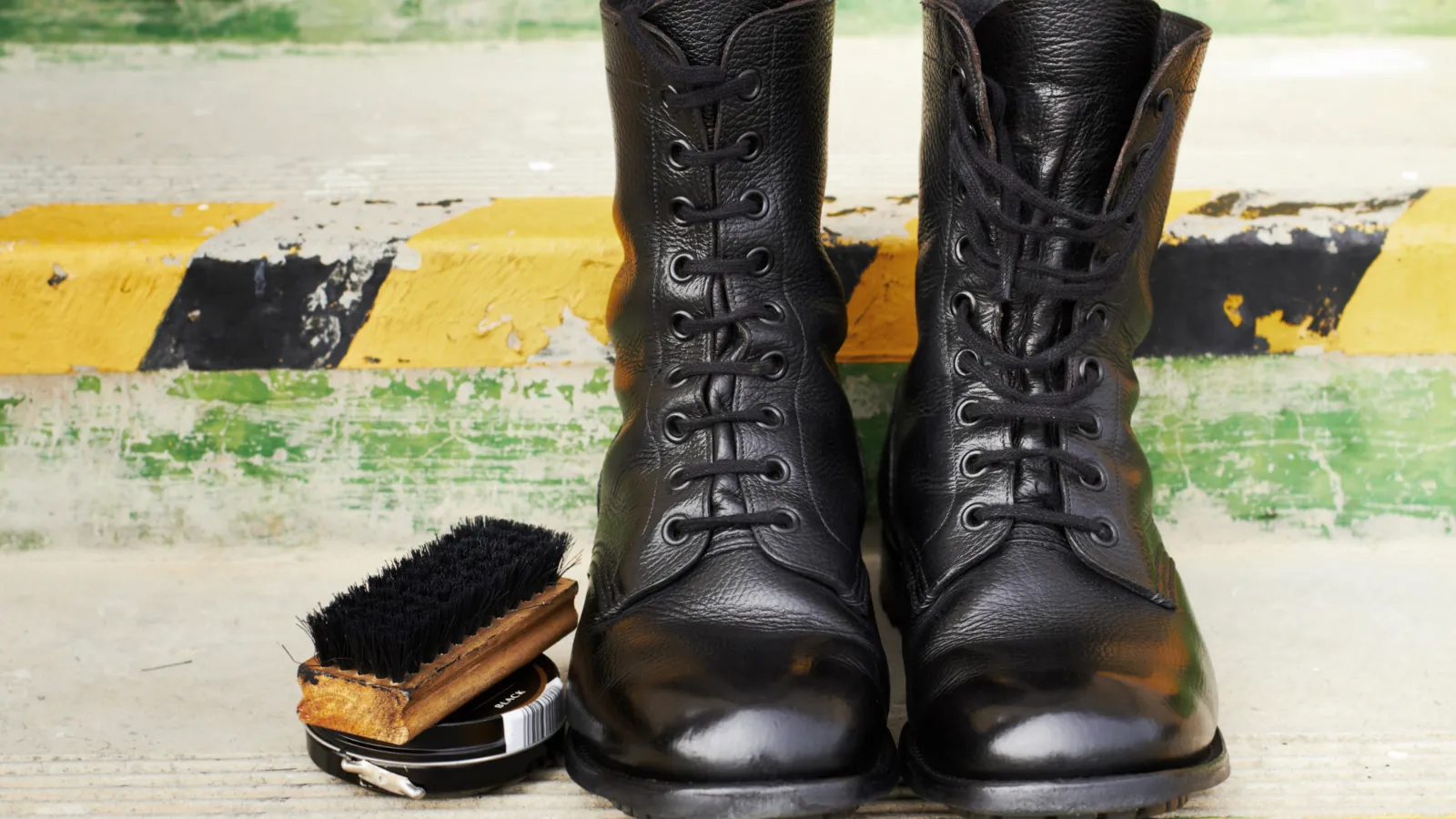
Clean them every 10-15 wears for regular city use, or sooner if they’re visibly dirty. That’s a rough guide, not a rule — the two things that change it most are weather and how hard you wear them. Wet, salty or muddy conditions mean cleaning after each wear, while dry indoor office use can stretch to 20 wears or more between cleans.
Salt is the big one in winter. Road salt dries into a white crust that pulls moisture out of leather, so wipe boots with a damp cloth the same day you walk through it. Condition after every clean, but no more than once a month for most boots — too much conditioner softens the leather and it loses shape. Check your maker’s care page for their own recommended interval, since oiled and waxed leathers differ.
The count is a starting point, not a schedule you have to keep. If you lose track, look at the boot instead: dust along the welt and creases, a dull finish where the shine used to sit, or grit working into the stitching all mean it’s time.
There’s a case for cleaning less often than the count suggests. A boot worn only indoors, on dry days, and brushed after each wear isn’t picking up much, and over-cleaning strips the oils you paid for.
The reverse matters more. If you work outside, commute by bike, or live somewhere with real winters, count the wears but treat the weather as the louder signal.
Frequently asked questions
Can I clean leather boots with water?
Yes, but only a barely damp cloth — never soak them. Wring the cloth until nothing drips, wipe, and dry away from heat. Full soaking swells the leather and can leave stiff patches when it dries. If the boot is heavily muddy, let the mud dry first, brush it off, then wipe with a damp cloth.
Why did my leather boots go stiff after cleaning?
Too much water or too strong a cleaner stripped the natural oils. Fix it with one thin coat of leather conditioner, rubbed in and buffed after 10-15 minutes. Wait a full day before adding more. If the stiffness doesn’t ease after two light coats, a shoe repairer can assess whether the leather is dried out beyond home repair.
How long does it take to clean leather boots?
About 20-30 minutes per pair for the cleaning itself, plus 12-24 hours of air drying before conditioning, and another 10-15 minutes for the conditioner to absorb. Humidity slows drying — in a damp room, expect closer to 24 hours than 12. Don’t speed it up with heat.
Is it safe to use saddle soap on all leather boots?
No. Saddle soap suits smooth finished leather and most work boots, but it can darken suede, nubuck and some light-colored leathers. Check the boot’s care label or the maker’s care page first. When in doubt, test on a hidden spot and wait 10 minutes before doing the whole boot.
What happens if I don’t condition leather boots?
The leather dries out, creases deepen, and small cracks start at the flex points near the toe. Once cracks form, they don’t close again — conditioner slows the damage but can’t undo it. Conditioning after each clean, roughly once a month for most boots, keeps the leather supple and extends its life.
Does it matter which brush I use on leather?
Yes. A soft horsehair brush lifts dirt without scratching, while stiff brushes and hard nylon can dull the finish. Use a separate brush for suede and nubuck — the bristles pick up grit, and grit from one boot type scratches another. Rinse and dry your brush after each use.
How do I clean the inside of leather boots?
Pull out the insoles and wash them separately by hand, then let them air dry fully. Wipe the inside lining with a barely damp cloth and stuff the boot with dry paper to absorb moisture. Never pour water inside — it sits at the toe and grows mold. If the inside smells sour after drying, a shoe repairer can advise on deeper treatment.
Can I use household soap instead of leather cleaner?
Only mild soap flakes dissolved in water, and only for light dirt. Dish soap and laundry detergent are too harsh — they strip oils and can leave residue in the grain. For anything more than dust, use a product labeled for leather, or check the maker’s care page for what they recommend for your boot.
Conclusion
Once your boots are dry, spend a few minutes checking the seams and the sole edges — that’s where small splits show up first. If you spot a scuff or a dry patch, treat it before it grows. You’ll get years more wear out of a pair you look after.