
Silver chains respond well to a few household staples — mild dish soap, warm water, and a soft cloth will handle most routine cleaning, while a baking soda paste or an aluminum-foil bath can lift heavier tarnish in minutes. The key is matching the method to the problem and knowing which cleaning agents are safe for silver versus which ones can strip it, scratch it, or leave it duller than when you started.
Key Takeaways
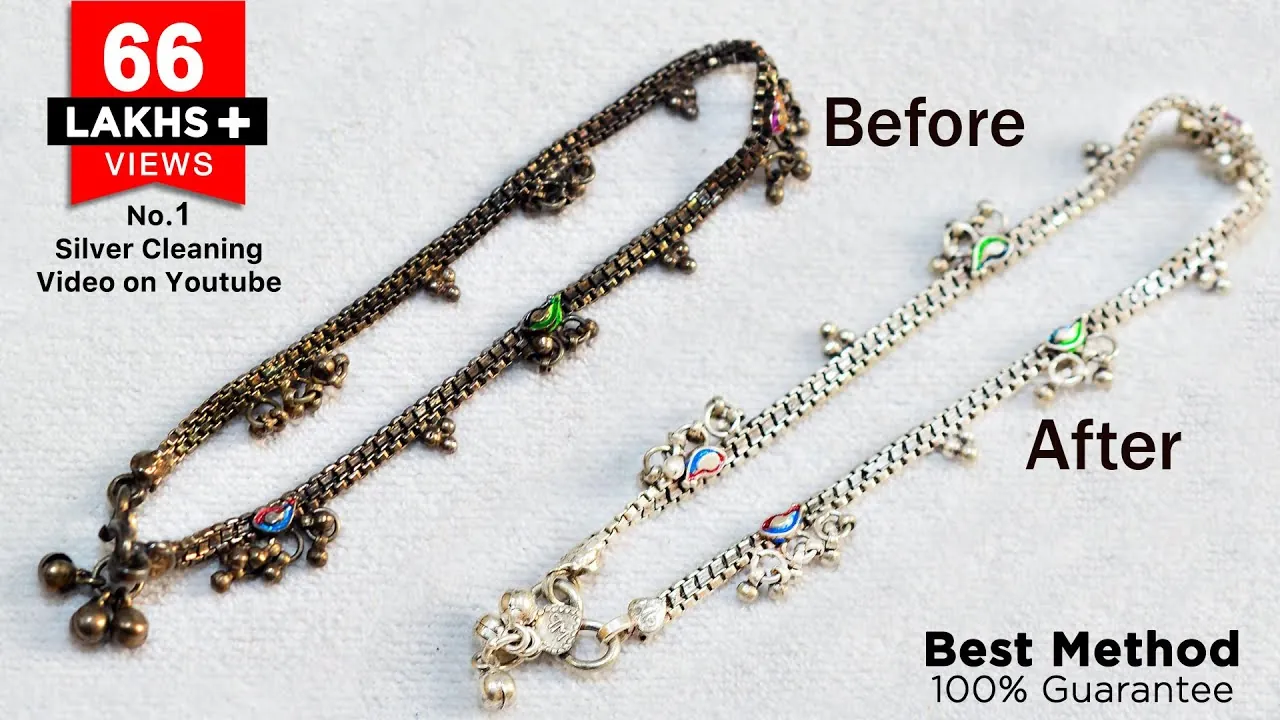
- Warm water and mild dish soap clean light dirt from a silver chain without any risk to the metal or any gemstones set in it.
- Tarnish isn’t dirt — it’s a chemical reaction between silver and sulfur compounds in the air, so it needs a different approach than everyday grime.
- Toothpaste, bleach, and chlorine are off-limits. They can scratch or permanently discolor silver, and chlorine attacks it aggressively.
- Dry the chain completely, including the links and clasp, before storing it — trapped moisture speeds up tarnish and can degrade the clasp spring.
- Store silver dry and sealed (an airtight bag with an anti-tarnish strip works well) to slow tarnish between cleanings.
- When in doubt about a gemstone or a plated chain, start with the gentlest method and test on a hidden spot first.
First, Identify What You’re Actually Cleaning
Before you touch the chain, take thirty seconds to figure out what you’re dealing with. The right cleaning method for a solid sterling silver chain can damage a silver-plated one, and a chain with glued-in stones needs a different approach than a plain link chain.
Sterling silver is the most common jewelry silver — it’s an alloy that’s 92.5% pure silver mixed with copper or another metal for strength. It’s marked “925” or “sterling” on the clasp or a tag. Fine silver (99.9% pure) tarnishes more slowly but is soft and rare in chains. Silver-plated chains have a thin silver layer over a base metal like brass or copper; aggressive cleaning or polishing can wear right through that layer.
If your chain has stones, check whether they’re glued in or set in prongs. Glued stones can loosen in hot water, and soft or porous stones (opal, pearl, turquoise, amber) should never be soaked. If you’re unsure, skip the soaking steps and use the dry polishing method below.
What Causes Silver to Tarnish
Tarnish isn’t dirt. It’s a chemical reaction: silver reacts with sulfur compounds in the air — hydrogen sulfide from car exhaust, rubber, wool, some foods, and even human sweat — to form silver sulfide, the dark film you see on the surface. That’s why a chain left in a drawer can turn black without ever being worn.
Humidity speeds this up, which is why bathrooms and kitchens are the worst places to store silver. So do rubber bands and latex gloves (they contain sulfur), wool, and certain paper products. Chlorine and bromine — in pool water, hot tubs, and some cleaning products — attack silver much more aggressively than air does, and repeated exposure can pit the surface.
Understanding this matters because it tells you what you’re actually removing: a thin chemical layer on the surface, not grime packed into crevices. You don’t need to scrub hard. You need to dissolve or lift that layer without abrading the silver underneath.
The Everyday Method: Warm Water and Dish Soap
This is the default for any silver chain that’s simply dirty — dull, slightly gray, or holding onto skin oils and lotion residue. It’s safe for solid silver, plated silver, and most stone settings, and it takes about five minutes.
- Fill a small bowl with warm (not hot) water and add a few drops of mild dish soap. Swirl it to mix.
- Soak the chain for 3–5 minutes. Don’t leave it overnight — prolonged soaking isn’t necessary and can loosen glued settings.
- Swish gently. Agitate the chain in the water rather than scrubbing it. For textured links, use a soft-bristled baby toothbrush to reach into the gaps, brushing along the length of the chain, not across it.
- Rinse under running warm water — or, if the chain is delicate or you’re worried about losing it down the drain, rinse in a second bowl of clean water. Put the drain stopper in regardless.
- Pat dry with a soft microfiber cloth, then let it air-dry completely before storing. Pay attention to the clasp and the spaces between links.
This method removes dirt and oils but won’t remove tarnish. If the chain is still dark after it dries, move on to the tarnish-specific methods below.
Removing Tarnish: Three Methods Compared
Once you’ve confirmed the problem is tarnish rather than dirt, you have three good options. Each suits a different situation.
| Method | Best For | Time | Risk Level | Repeat Frequency |
|---|---|---|---|---|
| Baking soda paste | Light-to-moderate tarnish on plain chains | 5–10 min | Low — mild abrasive, so use light pressure | As needed |
| Aluminum foil + baking soda bath | Heavily tarnished chains, intricate links | 5–10 min | Low, but avoid with stones and plated chains | As needed |
| Silver polishing cloth | Maintenance between deeper cleans, spot tarnish | 1–3 min | Very low — no water, no mess | Weekly or after wear |
Baking soda paste
Mix two parts baking soda to one part water until you have a paste about the consistency of toothpaste. Apply it to the chain with your fingers or a soft cloth, work it gently into the links, and let it sit for a minute or two. Rinse thoroughly and dry. The paste is mildly abrasive, so use light pressure and don’t repeat more often than necessary — over time, abrasives can dull the surface of polished silver.
The aluminum foil and baking soda bath
Line a glass or ceramic bowl with aluminum foil, shiny side up. Add a tablespoon of baking soda and a teaspoon of salt, then pour in hot (not boiling) water and stir. Submerge the chain so it touches the foil. The reaction converts the silver sulfide back into silver — you’ll often smell a faint sulfurous odor, which is normal. Leave it for 3–5 minutes, then rinse and dry.
Warning: Skip this method for chains with stones, glued settings, or silver-plated finishes. The heat and the reaction can loosen glue and, on plated pieces, can reveal the base metal.
Polishing cloth
A treated silver polishing cloth is the lowest-risk option and the one to keep in your jewelry box. It removes light tarnish and leaves a protective layer. Use it dry, rub gently along the chain, and don’t wash it — the treatment is what does the work. Once the cloth turns black and stops working, replace it.
The Aluminum Foil Bath in Detail
Because the foil bath is the most effective home method for heavy tarnish, it’s worth walking through carefully.
- Use a glass or ceramic bowl — not metal, which interferes with the reaction.
- Hot water, not boiling. Boiling water can warp delicate links and is dangerous with a chain you’re handling.
- Keep the chain in contact with the foil. The reaction is electrochemical; contact matters.
- Don’t overdo it. Five minutes is plenty. Longer soaking doesn’t remove more tarnish and can affect some finishes.
- Rinse and dry immediately after removing the chain, or tarnish can begin reforming.
This method works because it reverses the sulfidation reaction: the aluminum is more reactive than silver, so it “steals” the sulfur, and the baking soda solution carries the reaction. It’s a genuine chemical fix, not a scrubbing trick — which is why it reaches into intricate links that a cloth can’t.
What Never to Use on Silver
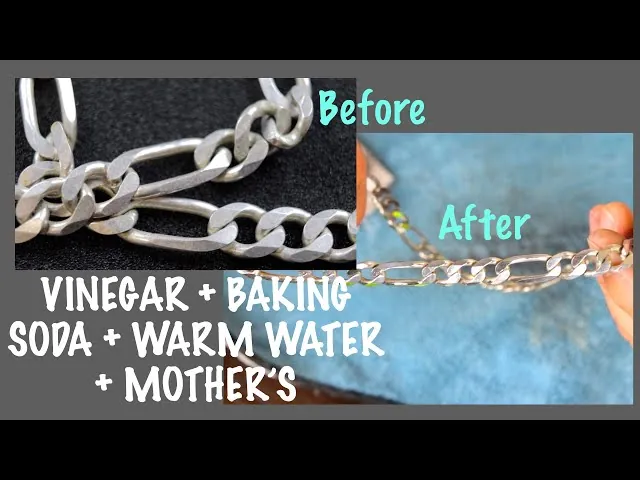
Some cleaning advice circulates widely and is simply wrong. These will damage your chain:
- Toothpaste. It’s abrasive enough to scratch polished silver, and some formulations contain ingredients that leave a dull film. Skip it.
- Bleach and chlorine-based cleaners. Chlorine attacks silver and can pit it permanently. Never wear silver in a pool or hot tub.
- Harsh household cleaners — ammonia-based glass cleaners, abrasive scouring powders, and anything with grit.
- Boiling water. It can warp thin links and damage settings.
- Ultrasonic cleaners — fine for solid metal chains with durable stones, but risky for glued settings, plated chains, and soft stones. If you don’t know the construction, don’t use one.
- Rubber gloves and rubber bands during storage — sulfur content.
Pro Tip: If a chain is silver-plated, treat every cleaning as a risk to the thin silver layer. Stick to the dish-soap method and a polishing cloth, and never use an abrasive paste or the foil bath, both of which can wear through the plating.
Cleaning Silver Chains With Stones or Pendants
A chain with a pendant or set stones needs a modified approach. The metal may be fine with water, but the stone or the setting may not be.
- Soft and porous stones — pearl, opal, turquoise, coral, amber, and lapis — should never be soaked. Clean them with a barely damp soft cloth and dry immediately.
- Glued settings loosen in hot water. Use cool or lukewarm water and keep soaking brief.
- Prong settings can trap water and cleaning residue. Rinse well and dry with a soft cloth, then let the piece air-dry fully before wearing.
- When in doubt, clean the chain only. Hold the pendant out of the water and clean the chain section by section, or use a polishing cloth around the stone.
If the piece is valuable or the stone is unfamiliar, a jeweler can tell you in a minute what’s safe — often for free.
Drying and Storing to Prevent Tarnish
Cleaning is half the job. How you store the chain determines how fast it tarnishes again.
- Dry completely before storage. Water trapped in links and clasps accelerates tarnish.
- Store in an airtight bag — a small zip-top jewelry bag with the air pressed out — or a lined jewelry box.
- Add an anti-tarnish strip to the bag. These absorb sulfur compounds and are widely sold.
- Keep it away from humidity — not the bathroom, not above the stove.
- Store chains separately to prevent scratching and tangling, and fasten the clasp so the chain doesn’t knot.
- Wear it. Surprisingly, wearing silver regularly slows tarnish, because the friction of movement and skin oils (in moderation) help keep the surface clear. The tarnish you see on unworn silver is the price of storage.
How Often Should You Clean a Silver Chain?
There’s no fixed schedule — it depends on wear, humidity, and your body chemistry. A reasonable starting point:
- After every wear — a quick wipe with a soft cloth to remove oils and sweat.
- Every few weeks — a dish-soap wash if the chain looks dull.
- When you see tarnish — use the foil bath or polishing cloth.
- Before storing long-term — clean, dry, and seal it.
Chains worn daily in humid climates may need cleaning more often; a chain worn once a month may only need attention a few times a year. Let the appearance of the metal guide you, not the calendar.
Troubleshooting Common Problems
The chain still looks dull after cleaning. Dullness after tarnish removal usually means the surface has micro-scratches from abrasive cleaning. A jeweler can re-polish it; at home, a polishing cloth is your best maintenance tool.
The chain turned black in storage. That’s tarnish, not damage — it’s reversible. The foil bath will fix it.
The clasp is stiff or discolored. Clean the clasp with a soft brush and a little dish soap, rinse, and dry thoroughly. A tiny bit of dry lubricant (graphite from a pencil lead) can help a stiff spring, but don’t use oil, which attracts dirt.
The chain looks yellowish or coppery. This can indicate the silver plating is wearing thin, revealing the base metal. No cleaning method fixes this — a jeweler can re-plate it.
The chain is knotted. Don’t pull. Lay it flat, apply a drop of dish soap, and work the knot loose with two pins.
When to Take It to a Jeweler
Some jobs aren’t home jobs. See a professional if:
- The chain is plated and the plating is wearing through.
- The piece has high-value stones or an unknown setting.
- The tarnish is deep and hasn’t responded to the foil bath.
- The clasp is broken or the chain is stretched.
- You want a professional polish to restore a mirror finish.
A jeweler’s cleaning and polish is usually inexpensive, and many will do it while you wait. For a piece with sentimental or monetary value, that’s money well spent.
Related guides
- How to Clean Your Chain Necklace – Ultimate Guide
- How to Clean Gold Chains at Home: Easy and Effective Tips
- How to Clean Silver Diya at Home: Simple and Effective Tips
Frequently Asked Questions
Can I clean a silver chain with baking soda?
Yes — as a paste for light tarnish or in a foil bath for heavier tarnish. Mix two parts baking soda with one part water for the paste, or use a tablespoon in hot water over aluminum foil for the bath. Avoid both on plated chains and pieces with glued stones.
Why does my silver chain turn black so fast?
Tarnish is silver sulfide, formed when silver meets sulfur compounds in air, sweat, and certain materials like rubber and wool. Humidity speeds it up. Fast tarnishing usually means high humidity, frequent contact with sulfur-containing products, or storage in a humid room.
Is it safe to wear a silver chain in the shower?
It’s generally fine with plain water and mild soap, but repeated exposure to shampoo, conditioner, and body wash can leave residue that dulls the chain. Chlorine and harsh cleansers are the real problem — take the chain off before swimming or cleaning with bleach.
Can I use toothpaste to clean silver?
No. Toothpaste is abrasive enough to scratch polished silver and can leave a dull film in the links. Use a baking soda paste, a foil bath, or a polishing cloth instead — all are gentler and more effective.
How do I clean a silver chain without losing the shine?
Use the gentlest method that works: dish soap and warm water for dirt, a polishing cloth for light tarnish, and the foil bath only for heavy tarnish. Avoid abrasives and harsh chemicals, dry completely, and store the chain in an airtight bag.
Can I clean silver chains with vinegar?
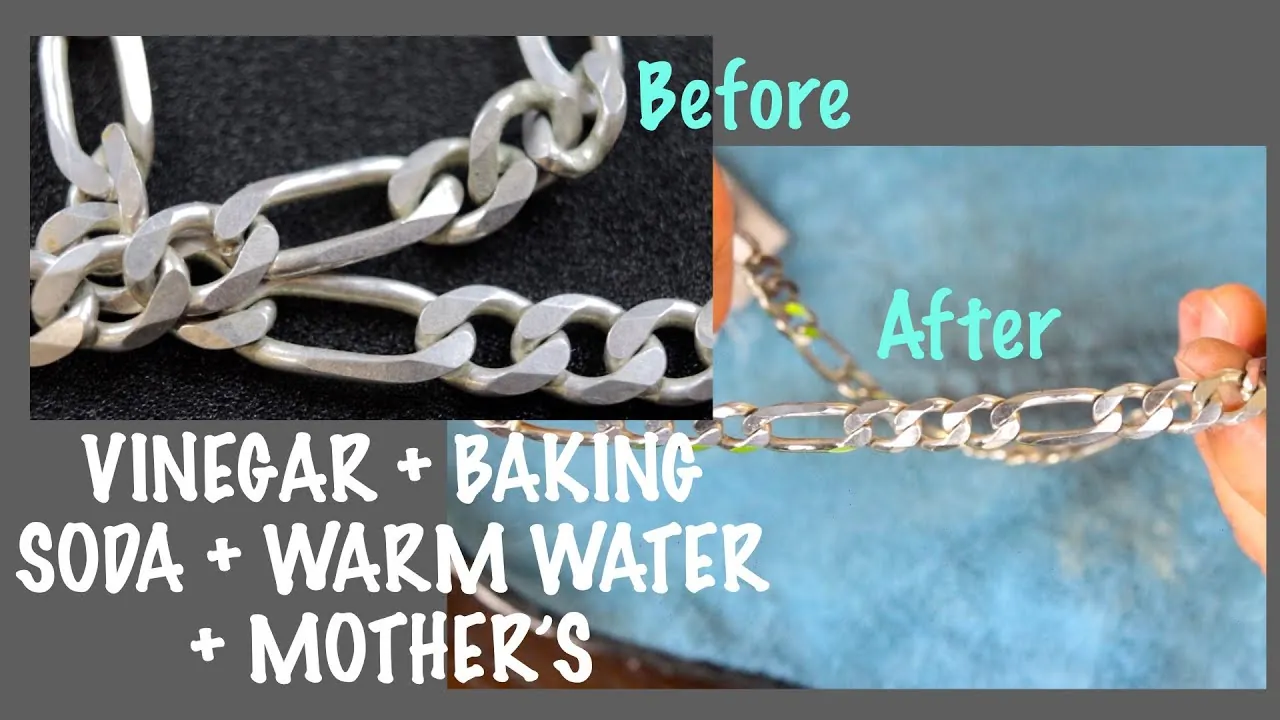
Vinegar is a mild acid that can help with light tarnish, but it’s less effective than baking soda and can be harsh on some stones and plated finishes. If you use it, dilute it and rinse thoroughly — but the baking soda methods are safer and more reliable.
Conclusion
Start with the mildest method that fits your chain — warm water and dish soap — and work up to the foil bath only if tarnish remains. Then dry the chain completely, seal it in an airtight bag with an anti-tarnish strip, and it will stay bright far longer between cleanings.