
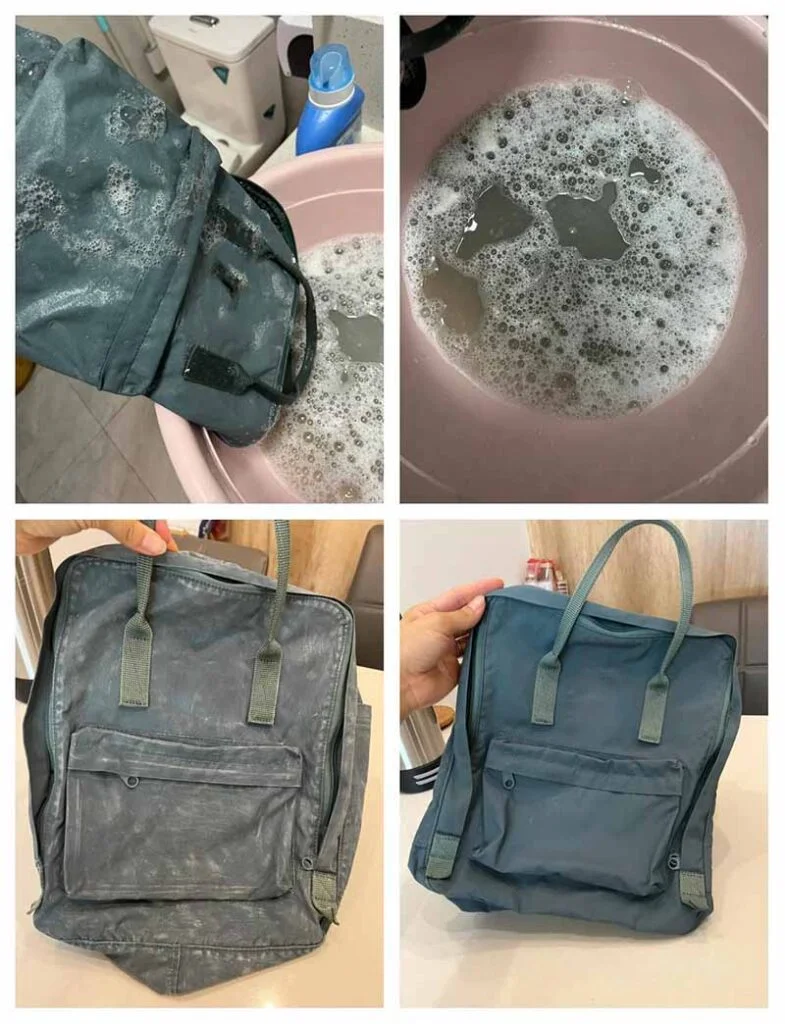
You pull your trusty North Face out of the closet, and catch a whiff of old gym locker and stale coffee. Most everyone reach for the washing machine, assuming it’s safe. Huge mistake.
In the end, i’ve seen trip. After trip ruined by a machine wash that delaminated the inner coating. Or stripped the Durable Water Repellent (DWR) finish.
Knowing how to clean a North Face backpackwithout destroying its technical fabrics isn’t complicated. You just need the right approach, the right soap. A lot less water than you’d think.TL; DR
- Use only cold water and a pH-neutral, non-detergent soap like Nikwax Tech Wash; standard laundry detergent destroys the water-repellent coating.
- Never machine wash or tumble dry; agitators tear mesh pockets and heat melts the internal waterproof lining, voiding the North Face Limited Lifetime Warranty.
- After air-drying away from sunlight, reapply a PFC-free DWR spray if water no longer beads up, restoring performance without damaging the 600D polyester or nylon materials.
Key Point
- The single biggest mistake: treating a technical backpack like a gym shirt. Machine washing and dryer heat are the top causes of irreparable delamination and “white flake syndrome.”
- Even mild soaps without the right pH strip the non-PFC DWR that makes the Borealis, Jester, and Surge models water-resistant. Pro-level fix: a 30°C (86°F) hand wash and a soft-bristle toothbrush on zippers extends the life of your FlexVent suspension system.
What You’ll Need
Before you get your hands wet, gather everything — this takes about 25 minutes total. Skill level is beginner-friendly, and you only need a handful of household items. That changes the picture quite a bit. Skip one item and you can cause discoloration, trust me, which means i’ve turned a gray panel a bit pink with the wrong brush.
- Lukewarm water (max 30°C / 86°F)
- pH-neutral, non-detergent cleaner: Nikwax Tech Wash, Gear Aid Revivex Pro Cleaner, or a very mild castile soap (no detergent, no bleach, no fabric softener)
- Soft sponge or microfiber cloth
- Soft-bristle toothbrush (dedicated to gear, not your bathroom one)
- Large tub or deep sink
- Clean, dry towel
- DWR spray (Nikwax TX.Direct Spray-On or Grangers Performance Repel) if you need to restore water repellency later
Step 1: Prep the Backpack and Spot Clean Stains
Start by completely emptying every pocket, unzipping all compartments, and shaking the pack upside down outdoors.
Even a forgotten granola bar wrapper can bleed sticky residue when damp. I once found a half-melted chocolate bar in a hidden sleeve that would have made a mess. Turn the bag inside out as far as possible, especially the main compartment, and use a vacuum with a brush attachment to suck out crumbs, sand, and dead skin cells (that stuff feeds odor-causing bacteria).
Now examine the exterior for stains. Mix a small bowl of cold water with a dime-sized drop of your pH-neutral soap.
Naturally, dip the toothbrush or sponge, wring; well, actually, it out so it’s damp (never dripping), and gently scrub muddy hems, food spots. And the bottom panel where the bag sits on grimy floors. For salt-encrusted zippers, the toothbrush is your best friend.
Drag it along the teeth in the same direction the slider moves to free micro-debris without damaging the coil.
How do I remove oil-based stains from the nylon?
On closer inspection, apply a paste of baking soda and water hands-on on the oil spot, let it sit 10 minutes, then wipe away with a damp cloth before the main wash. Baking soda lifts the oil without attacking the DWR finish.
Taking a different approach here, take your time here. About 70% of the cleaning happens during this prep phase. That jumped out at me too. Make of that what you’ll.
Before the bag ever sees a tub. Rushing leads to half-cleaned zippers that jam later.
Step 2: Hand Wash the Entire Bag Safely
Fill your tub or sink with cold water (30°C max) and add a capful of Nikwax Tech Wash, then submerge only as much of the backpack as needed to get the fabric wet.
You’re not trying to drown it. Soak the pack for maybe 5 minutes, then use your hands or the sponge to gently massage any remaining dirt out of the panels. Don’t wring, twist, or scrub aggressively, the glue that holds the back panel foam and shoulder strap padding doesn’t handle prolonged soaking, and aggressive twisting pulls seams apart.
Drain the soapy water and refill with clean cold water. The key here is that rinse the pack by dipping it up and down a few times, then let it drain; repeat until no suds appear. When the water runs clear, lift the pack out and press, don’t wring—it against the side of the tub to release excess water.
Sounds too good to be true? Let’s see.
Wrap it in a clean towel. And press firmly to absorb more moisture.
Is it ever okay to use a washing machine?
The North Face Product Care Team states plainly: never put your pack in a washing machine or, wait, let me rephrase, dryer, and top-loading agitators snag mesh pockets, and even front-loaders can cause the internal waterproof lining to delaminate. You’ll likely see white flakes peeling off inside by morning; if you ignore this and machine wash anyway.
- Empty every pocket and vacuum debris — food crumbs and dirt harbor bacteria that cause locker smell.
- Spot treat stains and zippers with a damp toothbrush — use pH-neutral soap, never harsh cleaners like OxiClean.
- Hand wash in cold water with Nikwax Tech Wash — soak briefly, agitate gently, and rinse until suds disappear.
- Air dry away from direct sun — hang upside down or lay flat, no dryer heat ever.
- Apply DWR spray if beading is lost — spray evenly on damp fabric and let cure per manufacturer directions.
Step 3: Air Dry and Restore Water Repellency
Once the pack is damp but not dripping, reshape it gently and hang it upside down on a sturdy hanger. Or lay it flat (more on that later) on a drying rack. Keep it out of direct sunlight.
Which degrades the 420D nylon and recycled polyester fibers over time. Heat from a radiator or hair dryer is even worse; it melts the internal waterproof coating and (depending entirely on the context) warps the back panel foam.
This becomes way more relevant in a moment.
Let it dry completely, usually overnight. When dry, test the DWR by flicking a few drops of water on the fabric. From a practical standpoint, if they bead up and roll off, you’re golden. And let me tell you, if they soak in instantly, the DWR has worn off.
That’s normal after multiple washes. As far as I know. While the pack is still a bit damp, following the bottle’s cure time. Wait 24 hours before packing heavy loads.
Troubleshooting Common Mistakes
White flakes or peeling inside: The polyurethane coating is delaminating. There’s no permanent fix. You can vacuum out loose flakes and use a seam grip product as a temporary patch, but once it starts, the bag’s waterproof life is ending.Sticky zippers after cleaning: Toothbrush method missed a spot. Go back with a bit of silicone zipper lubricant (like Gear Aid Zipper Cleaner and Lubricant) on a cloth and work it along the teeth. Avoid WD-40; it attracts dirt.Discolored fabric after using OxiClean: OxiClean is too harsh for the Borealis and Jester models. You might reduce the stain with a second wash using pH-neutral soap, but the damage may be permanent.Mold or persistent odor: Sunlight itself is a mild mold killer, but UV damages fabric. Instead, after cleaning, soak the pack briefly in a 1:5 white vinegar and water solution, then rinse thoroughly. The vinegar kills spores without stripping DWR.
People Also Ask
Can I machine wash my North Face backpack if I use a delicate cycle?
This is exactly what that first point lead to, no, and even delicate cycles agitate the bag and risk delamination. The North Face explicitly advises against any machine washing (which works out well in practice) to preserve the lifetime warranty.
How often should I clean a North Face backpack?
You’ve probably noticed every 2-3 months if used daily, or. After any trip where it’s been in mud, salt air, or heavy rain. Spot clean as needed to prevent build-up.
What soap is safe for a North Face backpack?
Only pH-neutral, non-detergent cleaners like Nikwax Tech Wash, so standard laundry detergents strip the DWR finish; soap containing bleach or fabric softeners permanently damage technical fabrics.
How do I clean the mesh side pockets?
When you look closely, use a soft toothbrush and mild soap, scrubbing gently in a circular motion. Not once pull the mesh; it tears easily if (though exceptions exist, naturally) snagged by something sharp.
Can I use a hair dryer to speed up drying?
Absolutely not. Heat from any dryer melts internal waterproof coatings and warps foam. Always air dry away from heat sources.
What to Do Next
Looking at this from another angle, now that your pack is clean and the DWR. Thinking about it more, (a detail often overlooked) is restored, protect your investment. Store it in a cool. Dry place away from direct sunlight. Before your next trip, spray the zippers with a dry-film lubricant and check the seams for loose threads, if you ever notice the water beading fading, reapply DWR immediately, don’t wait until the fabric soaks through.
For more gear care tips. Check out this step-by-step cleaning guide that covers how to handle stubborn odors. What to do when the warranty matters here. If you want a slightly different method that works great on the Surge and Recon models, this detailed cleaning approach walks you through an overnight soak-free technique.
🔍 Research Sources
Verified high-authority references used for this article