
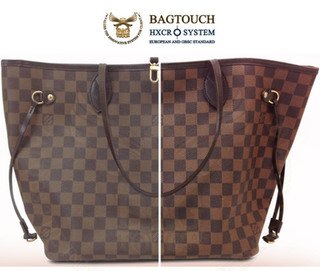
You’ve dropped real money on a Louis Vuitton. Now you’re terrified to breathe on it wrong.
The internet is stuffed with horror stories: ruined vachetta. Sticky canvas, faded monograms. it’s transparent, i get it.
Plus, actually, I’ve lost count of how many bags I’ve seen needlessly wrecked. Because someone grabbed the wrong bottle (a detail often overlooked) from under the sink. What’s the catch?
This guide ditches the noise. You’ll learn exactly how to clean Louis Vuitton leather, and canvas.
Patent, so the finish stays crisp and the resale value doesn’t nosedive.
TL; DR
- Identify your material first—it’s rarely just leather. Coated canvas, vachetta, Epi, and Vernis all demand completely different handling, and one wrong move can turn a $2,000 bag into a project for the trash.
- For canvas, alcohol-free baby wipes lift dirt without hurting the PVC coating. For vachetta, barely-damp distilled water and a white eraser are your only safe bets—never soak it.
- Regular care keeps resale value hovering around 70–90% of retail. Neglect it, and you’ll end up with sticky pockets and cracked handles no buyer wants.
Key Point
- Canvas is tough but hates Magic Erasers—one swipe can literally erase the gold print.
- Vachetta is a living hide that darkens beautifully with age, yet water rings are immediate and permanent if you’re careless.
- Vernis patent leather acts like a magnet for color transfer from denim, and once it sinks in, there’s no buffing it out.
- Store bags in breathable cotton dust bags at 45–55% humidity to avoid the PVC coating turning gummy.
What You’ll Need
Before touching the bag, assemble these. Skip the temptations, no Windex, no baby oil, no generic leather wipes from a gas station.
- Soft white microfiber cloths (dye-free, so you don’t transfer color)
- Alcohol-free, fragrance-free baby wipes (WaterWipes are the gold standard among collectors)
- White polymer eraser (like a clean Magic Rub or a block eraser from an art store)
- Distilled water (tap water can leave mineral spots on vachetta)
- Wax-free leather conditioner (Bick 4 or Cadillac Boot & Shoe Care—both pH neutral, no darkening)
- Soft-bristled brush (a clean horsehair shoe brush or a baby hairbrush)
- Small vacuum with a brush attachment (for interior dust)
- Cornstarch or talc-free baby powder (for sticky pocket syndrome)
- Q-tips(for cleaning around hardware and stitching)**Time:**20–40 minutes for a basic session, longer if you’re rehabbing a vintage piece.Skill level:
Easy for canvas, moderate for vachetta and Vernis.
Step 1: Know What You’re Actually Cleaning (Material ID)
Before you touch a single wipe, figure out what your bag is made of. Louis Vuitton doesn’t sell “leather” as most people think. The iconic Monogram and Damier patterns are coated canvas—PVC layered over cotton. The tan trim is vachetta, an untreated cowhide that darkens over time. Other leathers include deeply textured Epi, smooth Taiga, and high-shine Vernis patent. Mistaking one for another is how bags get baked.
Use this quick-reference table to match material to the right cleaner:
| Material | Safe Cleaner | Never Use |
|---|---|---|
| Monogram / Damier Canvas | Alcohol-free baby wipe, white eraser | Magic Eraser, saddle soap, alcohol |
| Vachetta | Distilled water (barely damp), white eraser, wax-free conditioner | Soap, mink oil, direct heat |
| Epi / Taiga | Wax-free conditioner (Bick 4), dry brush | Heavy greases, colored creams |
| Vernis | Damp microfiber cloth only | Alcohol, acrylic sprays, leather lotions |
“But wait—can I just use a leather wipe on everything?”
No. Most leather wipes contain alcohol or oils that’ll break down PVC or darken vachetta unevenly, which is why i’ve watched a friend turn a 3-day-old Neverfull strap into a blotchy mess with one swipe. Stick to the table. Hold onto this thought.
Step 2: Clean Canvas Without Fading the Print
For Monogram, Damier Ebene, and Damier Azur canvas, reach for an alcohol-free, fragrance-free baby wipe. Lightly rub the surface in small circles, then immediately buff dry with a clean microfiber. This lifts body oils, hand cream residue, and atmospheric grime. Don’t press hard—the PVC coating is durable but not indestructible.
Switching focus for a second, reddit’s r/LouisVuitton is basically a shrine to WaterWipes. Users there time after time warn that anything else, even many “gentle” wipes—causes long-term fading. Which is why for a deeper overall canvas-concrete care, take a look at this step-by-step canvas guide.
Step 3: Clean Vachetta Leather Without Water Stains
Vachetta is raw cowhide—it drinks up everything. For a basic clean, brush off dust with a soft brush. Then barely dampen a white microfiber cloth with distilled water, wring it to the point that almost no moisture comes out, and wipe the entire leather piece evenly. Don’t spot-clean. Let it air-dry away from heat. Condition sparingly with Bick 4.
Scuffs on vachetta? From what we can tell. I’ve even used it to lift dark marks from hand sanitizer residue on a Speedy handle. In most cases, plus, but go lightly—three or four gentle swipes, not a frantic scrubbing session.
Step 4: Condition Epi and Taiga Leathers Without Darkening
Epi leather’s grain can dry out and look ashy over time. Use a dry horsehair brush to remove surface dust, then apply a tiny dollop of wax-free conditioner to a microfiber cloth and rub it in with light pressure. Buff off any residue after about five minutes. Never pour conditioner directly onto the bag, too much will clog the grain.
Basically, what that means is: blocksep matters… this process is similar to handling sensitive materials on high-end footwear—if you’ve ever cleaned delicate sandals. You know over-conditioning is just as bad as neglect. I’ve shared that same caution in a guide about preserving lightweight designer sandals.
Step 5: Fix a Sticky Interior Pocket (Yes, It’s Possible)
The infamous “sticky pocket” happens when the coated interior lining breaks down from humidity. If it’s just a bit tacky, dust the inside generously with cornstarch and let it sit overnight. Shake and vacuum it out. For advanced peeling, don’t scrape. A professional restorer can reline the pocket—costs usually run $150–400 depending on the bag size.
Now, i learned this the challenging way on a vintage Alma — the previous owner had stored it in a plastic bin in Florida, and the lining was practically crying. The follow-up question is obvious. Cornstarch saved it from the trash, though honestly. I still ended up sending it to Leather Spa for a full reline a year later.
Common Mistakes (and How to Undo Them)
People often reach for the wrong tool when they panic. If you’ve already made an error, don’t panic; some damage can be cut down ond.–Magic Eraser meltdown: If you used one on canvas and dulled the print, there’s no paint fix—only a professional restorer can attempt a color touch-up. Next time, use the white eraser only on the background.
- Alcohol on Vernis: That cloudy or tacky film? It’s permanent. Wiping with a damp cloth can only remove surface residue. You’ll need a specialist to recoat the finish.
- Over-conditioning vachetta: If the leather feels greasy, wipe it with a clean dry cloth and let it rest. Too much conditioner attracts dirt and accelerates darkening into an unattractive muddy tone.
- Uneven water marks: If you already have a ring, sometimes a light, even damp-wipe of the entire piece can blend it, but results vary. I’ve had it work once out of maybe four attempts.
People Also Ask
Can I use leather conditioner on Louis Vuitton canvas?
No. Canvas is PVC-coated fabric, not leather. Conditioner just sits on top, collecting grime and potentially breaking down the coating over time. Stick to baby wipes for canvas.
The only material that needs conditioner is vachetta, Epi, or Taiga. Canvas hates any oil-based product.
Why does my vachetta leather look dirty and spotty?
Vachetta picks up oils from your hands, rain, and humidity unevenly. Those dark spots are part of the natural patina process, but they can turn black rather than honey if you don’t clean often.
A gentle wipe with distilled water and consistent conditioning can even out the tone, but you’ll never get it back to store-fresh pale, and that’s actually desirable to many collectors.
Is it safe to use baby wipes on all LV materials?
Only on coated canvas. Using baby wipes on vachetta can leave water spots, and on Vernis they can cause clouding. For Epi and Taiga, they’re unnecessary and may strip the light finish.
Always check the ingredients: alcohol and fragrance are the enemies.
How do I get color transfer off Vernis leather?
Honestly? You rarely do. Color transfer from denim or dark fabrics sinks into the patent finish and is nearly impossible to lift. A very light wipe with a damp cloth might reduce the surface layer, but if the transfer has set in, you’ll likely need a professional repainting.
Prevention is the only real cure, keep the bag away from raw denim.
What’s the best way to store a Louis Vuitton bag long term?
Stuff the bag with acid-free tissue paper to hold its shape, place it in the original cotton dust bag, and store it in a climate-controlled space with 45–somewhere around 55% humidity. Never use plastic bins, they trap moisture and cause the PVC to turn sticky. Standing the bag up is fine if the handles aren’t stressed; otherwise, lay it flat.
What to Do Next
You’ve cleaned and conditioned. Now secure the results. Wipe down your canvas bags with a baby wipe. After every few wears, it keeps oils from building up.
Check vachetta for dryness monthly and condition so. But if you’re ever in doubt, or your bag has sentimental value, find a reputable restorer (like Leather Spa or The (and rightly so) Cobbler’s) and get a quote.
A professional deep clean costs between $150 and, or at least. $400 and can add years to a bag’s life.
For the full playbook on maintaining every inch of your Louis Vuitton. Read our complete Louis Vuitton bag care guide. To some extent. Treat the bag well, and you’ll likely get back 70–90% of retail.
Make of that what you will. When you in the end consign it, a fact, correction, that even the most cynical reseller won’t argue with.
🔍 Research Sources
Verified high-authority references used for this article