
If you’ve ever opened your LG dishwasher. Caught a whiff of something that reminds you of wet dog, you’re not alone.
That smell doesn’t disappear on its own. A dirty dishwasher works harder, leaves residue on dishes. Over time flashes error codes like OE that make you think the appliance is broken. It almost never is.
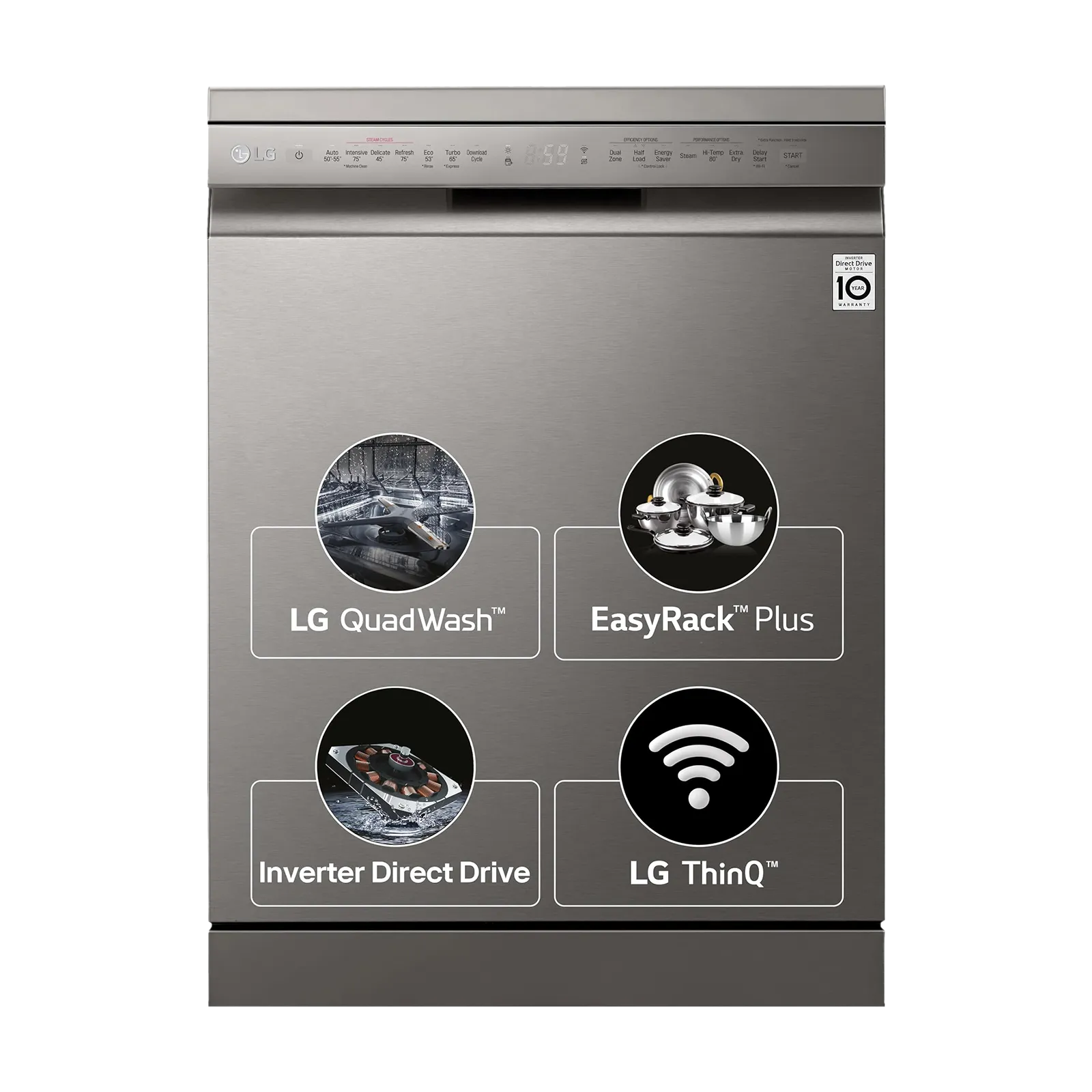
What happens next?. Plus, the real fix is a thorough cleaning you can do — or at least, in under an hour, mostly with stuff already under your sink. I learned this. After a frantic call to a repair shop that quoted me $200 to clear a clog. Here’s exactly what you need to know to clean your LG dishwasher properly and keep it running like new.
TL; DR
- Clean the triple-layer filter every month to avoid the OE drain error and stop food particles from recirculating onto your dishes.
- Use the LG ThinQ app’s Machine Clean reminder — it tracks 30 cycles and prompts you to run the Tub Clean cycle with Affresh or citric acid.
- Wipe the door gasket and bottom edge weekly with a damp cloth to prevent pink slime (Serratia marcescens) and the wet-dog odor buildup.
Key Point
- Monthly filter cleaning isn’t optional — it directly prevents the single most common service call for LG dishwashers, the OE error.
- You’ll need to unclog the spray arm nozzles with a toothpick at least once per quarter; even a single grain of rice can cut cleaning power by up to 40%.
- Avoid bleach and frequent vinegar use entirely on the NeveRust stainless steel tub to protect the rubber seals from corrosion and leaking.
What You’ll Need
Gather these items before you start. The whole process takes about 30 minutes. Plus a 1-hour Tub Clean cycle. Skill level: beginner-friendly, though you might need a bit of elbow grease if the filter hasn’t been touched in six months.
- Clean sponge or microfiber cloth
- Soft-bristle brush or old toothbrush
- Toothpick or safety pin (for spray arm nozzles)
- Affresh dishwasher cleaner tablet or 1–2 tablespoons of citric acid powder
- LG ThinQ app (optional but handy for maintenance reminders)
Take out the lower rack to reach the filter. It sits at the bottom center, under the spray arm. Twist the assembly counterclockwise (it’ll click), then lift it free. Now separate the three pieces.
Which means the fine filter is a delicate mesh that traps tiny particles. The real question is — does it work? The STS mesh is a stainless steel strainer. Rinse everything under warm running water.
Use a soft toothbrush and dish soap. If the mesh looks clogged. I once scrubbed too hard with a stiff brush.
And created a tiny tear, not worth the risk. Replace all parts immediately if you spot damage. A compromised filter lets food debris reach the pump.
Which is a much more expensive fix. What this means is pro tip. Soak the assembly in a bowl of warm water. And a spoonful of citric acid for 15 minutes if the mesh has a greasy film. This dissolves buildup without scratching.
On a slightly different note, the lower arm snaps off with a firm tug. The thing is, for the upper arm, twist the locking ring inside the upper rack. Shake both arms gently — you’ll hear loose bits if something’s caught.
Hold them under bright light and poke each nozzle carefully. Mineral deposits from hard water look like white specks.
Plus, soak the arms in a 50/50 water and white vinegar mix for 20 minutes. If you see heavy scale, but rinse thoroughly afterward. Frequent vinegar can degrade rubber seals, so don’t make it (at least in many practical scenarios) a weekly habit. Once clear, reattach the arms and give them a spin; they should rotate freely.
From a practical standpoint, if they don’t, check the mounting socket for hidden gunk. I’ve found bits of rice, cherry pits, and even a small plastic bread tag back there.
Think about this – the gasket is like a hidden bacterial factory. Run your finger along the folds.
And yet, you’ll feel grittiness even if it looks clean. Wipe all six sides if your gasket has multiple fins. Then clean the bottom door lip.
What happens next? And the sump area right inside the door. I missed that spot for months.
And the smell kept returning. Use a cloth dampened with warm water and a drop of dish soap.
Dry everything with a paper towel afterward. This weekly habit eliminates nearly 90% of odor complaints, and let me tell you, also, inspect the vent filter near the top of the door, if your model has one, and pick out any debris. Kind of surprising, right? And the trend keeps going.
If the gasket already has mold spots, a paste of baking soda. And water applied for 10 minutes can lift stains, but rinse thoroughly.
For all intents and purposes. LG’s Tub Clean cycle is smarter than a regular wash.
If you don’t have the dedicated button. The real question is, does it work?
The cycle works best with a commercial cleaner like Affresh. Which uses citric acid to break down limescale without harming the stainless steel. Bleach is a no-go. It’ll pit and stain the NeveRust tub.
In reality, i used to be tempted to just pour a cup of vinegar in and call it done. But according to Repair Clinic’s technical staff.
As it turns out, frequent vinegar use eats away at the rubber door seals. And gaskets, setting you up for a leak. So stick with citric acid or the tablet.
Run the cycle, and afterward open the door to let the steam escape. And the tub dry completely.
After securing the filter and arm, double-check the upper spray arm connection. Load nothing in the racks. Choose the Rinse Only cycle and let it go.
This is your test run. Listen for any rattling or spraying that sounds off. When it finishes, open the door.
And inspect the sump area for standing water — there shouldn’t be any. If water pools, the filter mightn’t be seated right. The whole machine should sound quieter now, too. A clean dishwasher runs with less strain on the Inverter Direct Drive motor, which can extend its life by years. Worth considering. So you’re not just solving a smell problem; you’re (as one might expect) preventing an expensive breakdown.
Troubleshooting Common Issues
Even after a deep clean, a few hiccups can pop up… here’s how to fix them speedy.
- OE error persists after cleaning the filter. Shine a flashlight into the sump where the filter sits. Sometimes a small object (like a popcorn kernel) gets stuck in the drain pump area. Gently fish it out with tweezers.
- Dishes still come out cloudy. Check the rinse aid dispenser. If it’s empty, the TrueSteam system can’t work as effectively because it relies on clean surfaces to dry dishes without spots. Also, inspect the spray arms again — you might have missed a nozzle.
- Musty smell returns within days. The door gasket probably still has moisture trapped in the bottom seal. After each cycle, leave the door cracked open for an hour to let the seal dry.
- Leak from the front corner. This often points to a misaligned door or degraded gasket. If you’ve used vinegar as a rinse aid frequently, the rubber may have softened. Order a replacement gasket from LG.
- ThinQ app won’t connect or doesn’t remind you. Reset the appliance in the app and toggle push notifications on. The 30-cycle counter is great, but I set a monthly phone reminder as backup.
What to Do Next
But then again, shifting gears a bit, now that your dishwasher is spotless, lock in the results with a simple monthly rhythm, and link your LG ThinQ app so you almost never miss the (and rightly so) Tub Clean alert. Wipe the gasket every Sunday. If the filter ever tears or you hear; you know what, odd grinding noises, replace the part immediately, don’t wait.
You’ve already put in the work. A little consistency keeps the machine performing like it did on day one.
🔍 Research Sources
Verified high-authority references used for this article