
A reusable flask turns into a problem the moment you notice a sour, metallic, or “off” smell that water alone can’t shift. Knowing how to clean it is a short, repeatable routine: disassemble every removable part, wash the bottle and lid with hot water and dish soap, scrub the inside with a bottle brush, remove stains and odors with baking soda or white vinegar, rinse thoroughly, and dry everything fully with the lid off before you store it. Do that consistently, and a good flask stays fresh for years.
Key Takeaways
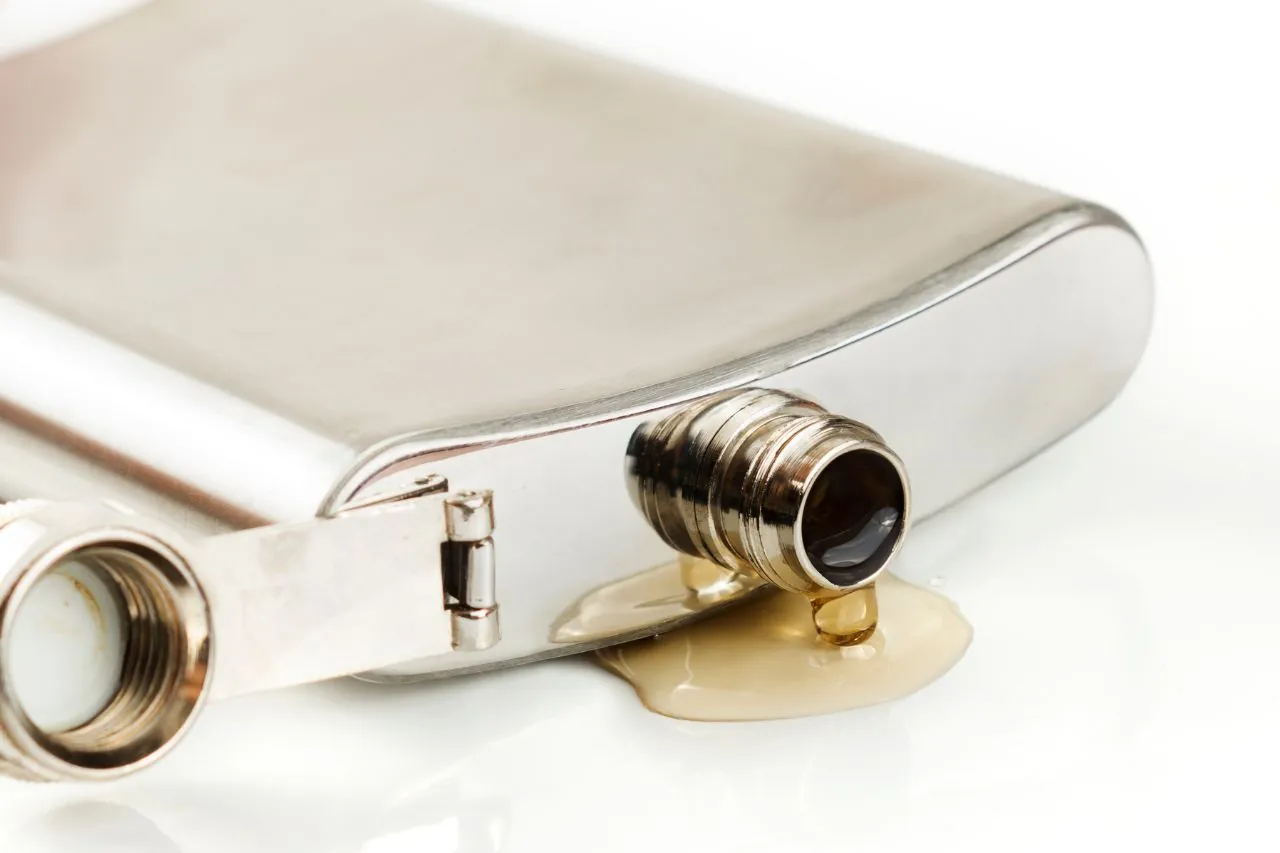
- Take it apart first. Gaskets, silicone seals, and lids trap the bacteria and residue that cause smells, so clean them separately.
- Hot water and dish soap plus a bottle brush handle daily cleaning; baking soda and white vinegar handle stains and odors.
- Never soak a vacuum-insulated flask in water, and never put it in the dishwasher unless the manufacturer says it’s dishwasher-safe.
- Dry completely with the lid off before storing, because trapped moisture is what makes a clean flask smell musty again.
- Skip bleach and harsh abrasives on stainless steel and coated finishes; they damage the surface and can leave residue.
- Deep-clean weekly if you use the flask daily, and immediately after any milk, coffee, juice, or protein shake.
Why Your Flask Starts to Smell
A flask smells because something is growing or breaking down inside it. The usual culprits are a thin film of residue from coffee, tea, juice, or milk; moisture trapped under a gasket; and the crevices around the lid and seal where a sponge never reaches. Stainless steel itself doesn’t hold odors the way plastic does, but the silicone seals and plastic lids do, and those parts sit against your drink all day.
Understanding the cause tells you which fix to use. A sour, musty smell usually means microbial growth in a damp, closed bottle. A metallic or “old penny” taste often points to residue reacting with the steel or to mineral buildup. A lingering coffee or tea smell means tannins have stained the walls. Each has a different remedy, covered below.
What You Need Before You Start
Gather these so you aren’t hunting mid-clean:
- Bottle brush with a long handle and a smaller brush for the lid
- Soft sponge or cloth
- Dish soap (mild, unscented is fine)
- Baking soda
- White vinegar
- Bottle-drying rack or a clean towel
- Small brush or old toothbrush for gaskets and threads
Avoid steel wool, scouring pads, and chlorine bleach on stainless steel and coated bottles. They scratch the interior, and scratches give residue and bacteria somewhere to hide.
Step-by-Step: How to Clean a Flask
Step 1: Disassemble Everything
Unscrew the lid and remove every part that comes off: the gasket or O-ring, the silicone seal, any flip-top or straw mechanism, and the stopper. Most lids have a removable rubber ring tucked inside the cap. If yours does, pop it out with your fingers or a blunt tool. This single step prevents most smell problems, because the gasket is where residue collects and stays wet.
Step 2: Wash With Hot Water and Dish Soap
Fill the flask partway with hot water and a few drops of dish soap. Run the bottle brush around the inside, reaching the bottom and the shoulder where the bottle narrows. Scrub the lid, gasket, and any straw or spout with the smaller brush or a cloth. Pay attention to the threads on the neck, where residue builds up and transfers to the lid.
Step 3: Rinse Thoroughly
Rinse the bottle and every part under running water until no suds remain. Soap residue leaves a taste and a film that attracts grime, so rinse longer than feels necessary, especially inside the lid mechanism.
Step 4: Tackle Stains and Odors
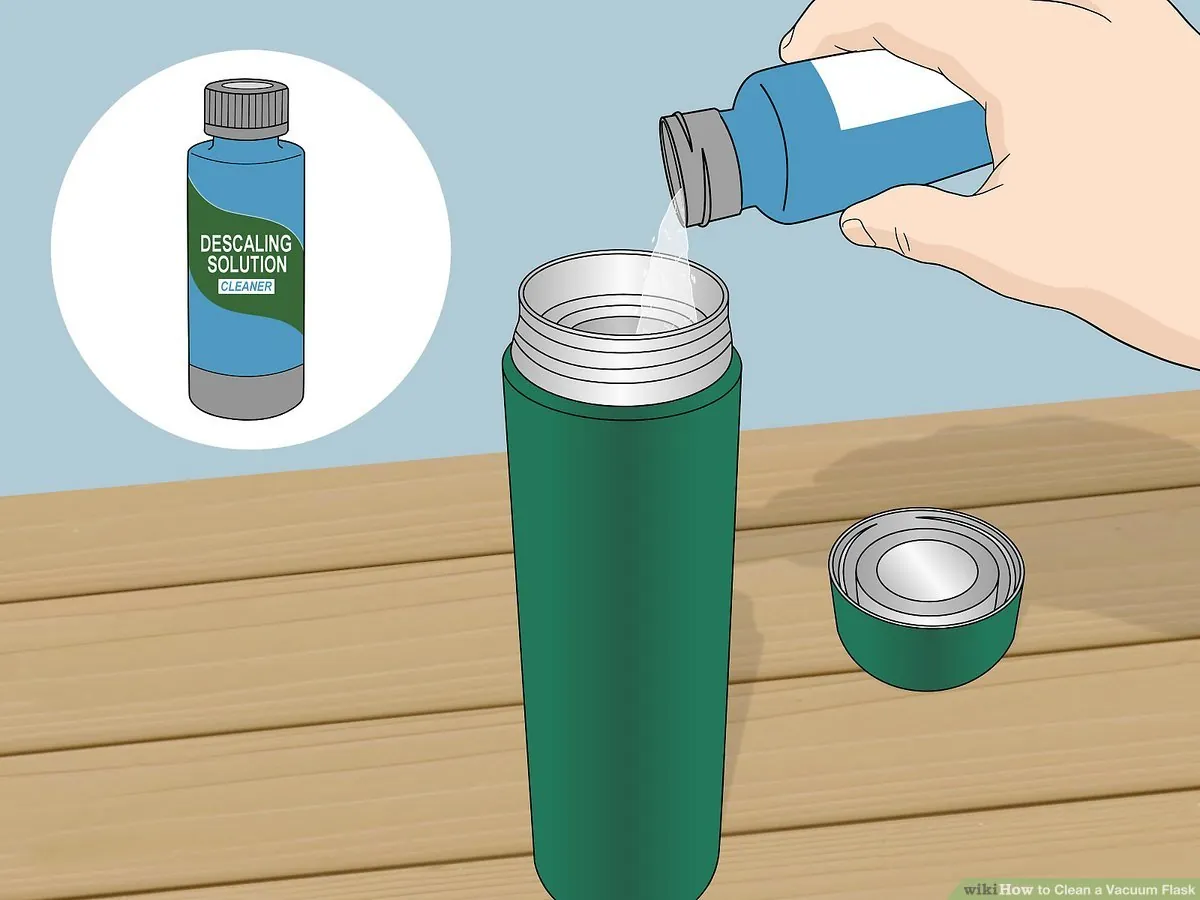
For stains or smells that survive soap, choose a method from the table below. Let the solution sit, then scrub and rinse.
Step 5: Dry Completely, Lid Off
Shake out excess water, then stand the flask upside down with the lid off on a drying rack. Leave the gasket and lid parts out to air-dry separately. Don’t put the lid back on a damp flask, and don’t store it sealed. Trapped moisture is the most common reason a freshly cleaned flask smells musty within a day.
Stain and Odor Remedies Compared
| Problem | Best remedy | How to use it | Cautions |
|---|---|---|---|
| Coffee or tea stains | Baking soda paste | Mix baking soda with a little water, scrub the walls, rinse | Gentle on steel; rinse well |
| Sour or musty smell | Baking soda soak | 1–2 tablespoons in warm water, soak a few hours or overnight, rinse | Don’t seal the bottle during soaking |
| General odor and light film | White vinegar soak | Half vinegar, half water, soak 30 minutes to a few hours, rinse | Don’t mix with bleach |
| Mineral or hard-water film | Vinegar soak | Same as above, then scrub | Avoid on painted or coated exteriors |
| Stubborn smell in the gasket | Replace the gasket | Order a replacement seal from the maker | Cleaning can’t always rescue old silicone |
Never combine vinegar and bleach. The mixture releases chlorine gas, which is dangerous in a confined space. Keep the two remedies separate and rinse between them.
How to Clean Different Flask Types
Vacuum-Insulated Stainless Steel
This is the most common type and the easiest to damage with water. Never submerge a vacuum-insulated flask in a sink full of water or leave it soaking on the outside. Water can seep into the vacuum layer through a damaged seam and ruin insulation.
Wash the interior, rinse, and wipe the exterior with a damp cloth. Check the manufacturer’s care instructions, because some insulated bottles are hand-wash only. If you’re unsure whether yours is dishwasher-safe, hand-washing is the safe default.
Plastic and Tritan Bottles
Plastic holds odors more than steel, so soak longer and consider a baking soda soak for smells. Check the base for a dishwasher-safe symbol, and use the top rack if allowed. Avoid very hot water on thin plastic, which can warp it and weaken the seal.
Collapsible and Soft Flasks
These fold and trap moisture in the creases. Open them fully, wash with warm soapy water, and dry completely unfolded and propped open. A dedicated bottle brush or a soft cloth reaches the folds better than rinsing alone.
Bottles With Straws and Flip Lids
Straws and bite valves are the hardest parts to clean and the most likely to grow mold. Remove the straw, run warm soapy water through it, and use a straw brush or pipe cleaner. Soak the valve in a vinegar-and-water solution if it smells, then rinse and air-dry fully.
How Often Should You Clean It?
| Use pattern | Cleaning schedule |
|---|---|
| Water only, daily use | Rinse daily; full soap wash every 2–3 days |
| Coffee, tea, or juice | Full wash after every use |
| Milk, smoothies, or protein shakes | Full wash immediately after use |
| Gym or outdoor use | Full wash after every use; deep-clean weekly |
| Occasional use | Wash before first use and after each use; deep-clean before storing |
A weekly deep clean with baking soda or vinegar keeps a daily-use flask from developing a smell you can’t trace. If you use it for anything other than water, treat every use as a full wash.
How to Remove a Stubborn Smell
When soap and a single soak don’t work, work through these in order:
- Baking soda soak overnight. One to two tablespoons in warm water, lid off, then rinse.
- Vinegar soak. Half vinegar, half water for a few hours, then rinse and air-dry.
- Scrub the gasket and threads with a small brush, since the smell often lives there rather than in the bottle.
- Sun and air. Leave the disassembled parts in open air for a day; fresh air and light help dissipate odors.
- Replace the gasket or lid. Silicone absorbs odors over time, and a replacement seal is inexpensive.
If a smell persists after all of this, the residue may be inside a lid mechanism you can’t fully open, and replacing that lid is the practical fix.
Common Cleaning Mistakes to Avoid
- Sealing a damp flask. Storage with the lid on traps moisture and undoes a good wash.
- Soaking an insulated bottle. Water in the vacuum layer ruins insulation.
- Using bleach on steel. It can pit the surface and leave a residue; stick to baking soda and vinegar.
- Skipping the gasket. The seal is the number-one hiding place for smell.
- Putting a hand-wash-only bottle in the dishwasher. Heat and detergent can warp lids and degrade seals.
- Scrubbing with abrasives. Scratches trap residue and make future cleaning harder.
Pro Tip: If your flask has a removable gasket, buy a spare set when you buy the bottle. Swapping a worn seal is faster and cheaper than fighting a smell that won’t leave.
How to Keep It Fresh Between Washes
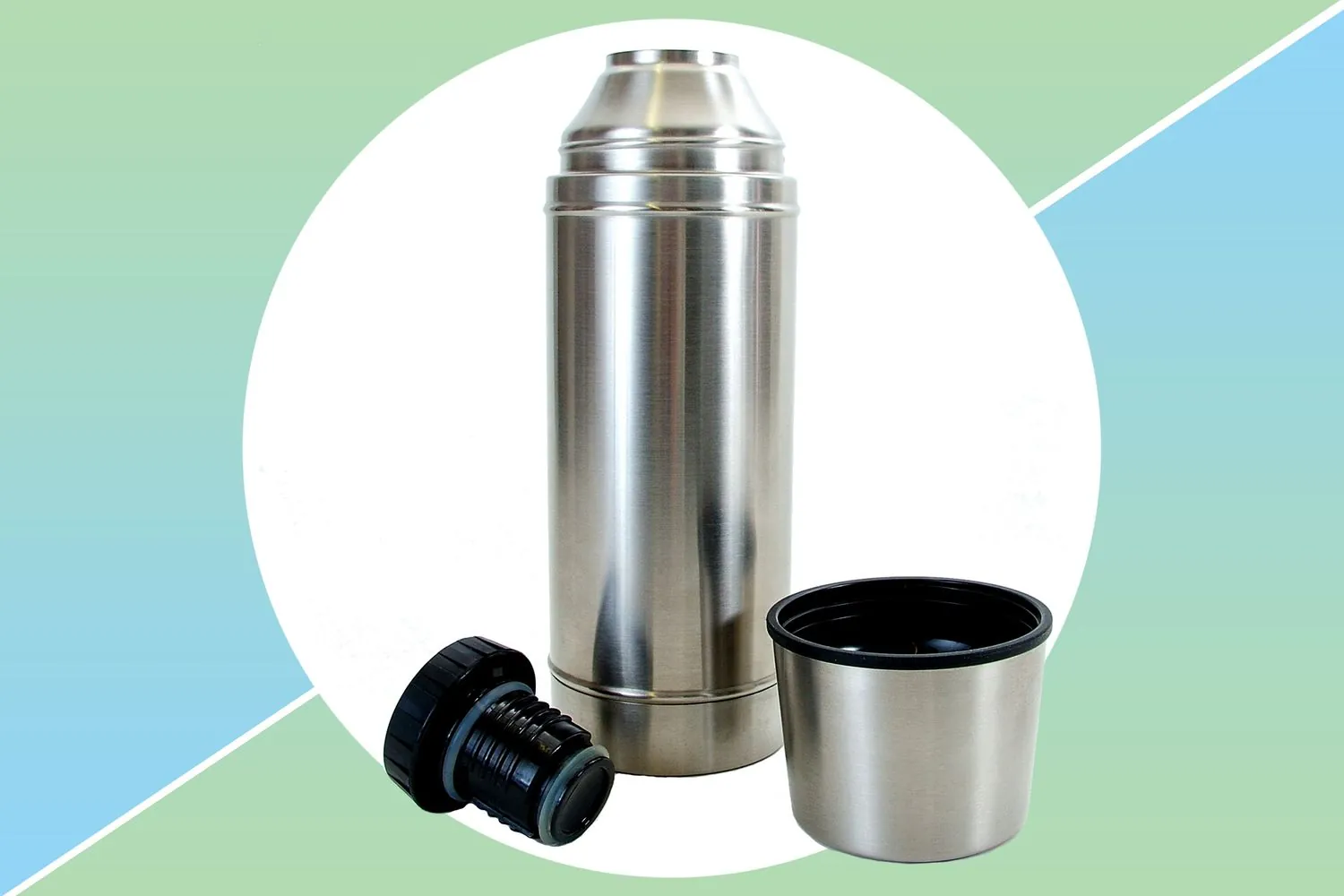
A few habits cut down on how often you need a deep clean:
- Rinse right after use, especially after coffee or anything with sugar.
- Leave the lid off whenever the flask is empty and at home.
- Don’t store drinks overnight in the flask; pour leftovers out and rinse.
- Dry the gasket separately rather than leaving it in the lid.
- Use it for water between other drinks so residue doesn’t sit all day.
Warning: Never store a flask sealed with liquid inside for days, even in the fridge. The combination of moisture, sugar, and a closed lid is exactly what produces a smell that’s hard to remove.
Related guides
- How to Clean a Hydro Flask to Remove Mold Odors and Stains
- How to Remove Hand Sanitizer Stains from Car Interior
Frequently Asked Questions
Can I put my flask in the dishwasher?
Only if the manufacturer says it’s dishwasher-safe, and usually only on the top rack with the lid and gasket removed. Many insulated stainless steel bottles are hand-wash only because heat and water can damage the vacuum seal. When in doubt, hand-wash; it takes a couple of minutes and protects the bottle.
How do I get the coffee smell out of my flask?
Soak it with one to two tablespoons of baking soda in warm water for several hours or overnight, then scrub and rinse. Remove and scrub the gasket, since the smell often clings to silicone. A vinegar-and-water soak is a good follow-up if the smell persists. Wash promptly after coffee from then on.
Is it safe to use bleach in a water bottle?
It isn’t recommended for routine cleaning. Bleach can leave residue, damage some finishes, and is dangerous if it contacts vinegar or other acids. Baking soda and white vinegar handle the stains and odors a flask develops. If you ever use a diluted bleach solution, follow the maker’s instructions exactly and rinse exhaustively.
Why does my flask smell even after washing?
The smell is usually in a part you didn’t fully clean or dry: the gasket, the lid mechanism, the threads, or a straw. Disassemble everything, scrub those parts with a small brush, and dry all pieces completely with the lid off. If the smell remains, replace the gasket or lid.
How often should I deep-clean my flask?
About once a week for a bottle used daily for water, and after every use if it holds anything else. Deep cleaning means a baking soda or vinegar soak plus a full scrub of the bottle and every removable part. More frequent deep cleaning does no harm if you rinse well.
Can I clean a flask with just hot water?
Hot water alone rinses away loose residue but doesn’t remove the oils, sugars, and films that cause smells. Use hot water with dish soap and a brush for routine cleaning, and add baking soda or vinegar when you notice a stain or odor. Hot water alone is a rinse, not a wash.
Conclusion
Start tonight: take your flask apart, wash the bottle and every removable piece with hot soapy water, soak out any smell with baking soda, rinse well, and leave it to dry with the lid off. Then make the weekly deep clean a habit, and your flask will keep tasting like water instead of last week’s coffee.