
Sherpa is a soft, fluffy fabric with a loose pile that traps water and matts easily, so cleaning it comes down to one rule: wash it gently in cold water and dry it without heat. Most sherpa items can go in a home washing machine on a delicate cycle at 30°C (86°F) or colder, then air-dry flat or on low.
What you need for cleaning sherpa
The list is short, and the detergent matters more than anything else. A harsh powder can leave residue that stiffens the pile, and bleach-based cleaners can fade the color and damage the fibers.
| Item | How much | Why it’s needed | A substitute |
|---|---|---|---|
| Gentle liquid detergent | 1 to 2 tablespoons per load | Cleans without stripping fibers | none — don’t swap this |
| Mesh laundry bag | 1 large bag | Stops pile from snagging | A clean pillowcase, tied shut |
| Cold water | 30°C (86°F) or below | Keeps fibers from matting | none — don’t swap this |
| Clean towels | 2 to 3 dry towels | Presses out extra water | none — don’t swap this |
| Soft-bristle brush | 1 brush | Loosens dried-on dirt | An old soft toothbrush |
| Lint roller | 1 roller | Removes loose fluff after drying | Packing tape, lightly pressed |
The mesh bag is the item people skip, and it’s the one that saves the garment. Sherpa is a knit with a loose, fuzzy surface, so anything the pile rubs against in the drum catches and pulls it.
A large bag lets the piece move without bunching. If it only just fits, use a clean pillowcase instead and tie the open end shut with a loose knot, so water still flows through.
Choose the gentle liquid detergent you already use for wool or delicates, and check the label for bleach before you pour. If the bottle lists bleach, put it back.
Skip fabric softener and dryer sheets entirely — they coat the fibers and flatten the pile. A soft-bristle brush earns its place on cuffs and collars, where dirt dries into the nap before the rest of the garment looks dirty.
Keep the towels separate from the wash load. They go in later, to press water out, so set them aside dry rather than letting them sit damp in the machine.
Before you start cleaning sherpa
Check the care label first, because some sherpa items are bonded to a backing that can’t take a full wash. If the label says dry clean only, follow it, or spot clean small marks by hand. A washing machine can pull bonded layers apart, and once that happens, the item is ruined.
Labels vary by brand, so read the one on your item rather than assuming. A Patagonia fleece and a cheap bonded throw can carry very different instructions.
- Empty every pocket and close all zippers, snaps and hooks. An open zipper catches the pile and tears it.
- Brush off loose dirt outdoors before washing. Dirt that goes into the machine turns into mud in the fibers.
- Turn the item inside out and place it in a mesh bag. This protects the outer pile from rubbing.
- Check for stains and treat them first with a small drop of gentle detergent, left for 5 minutes.
- The step people skip: reading the label for the drying rule. Heat is what shrinks and mats sherpa, not the wash.
If the item is a large down-and-sherpa jacket with a waterproof coating, or a vintage piece with real fur trim, stop here and take it to a professional cleaner. Home washing can destroy the coating or the trim, and that’s a repair bill you don’t want.
One more thing worth doing before anything gets wet: press a clean, damp white towel on a hidden patch of the pile. If color lifts onto the towel, the dye is unstable and a full wash will likely bleed it.
Step-by-step: how to wash sherpa
- Set the machine to a delicate or gentle cycle at 30°C (86°F) or colder. Use the lowest spin speed your machine offers, usually 400 to 600 rpm. A fast spin presses the pile flat and is hard to undo. Check the dial before you start.
- Add 1 to 2 tablespoons of gentle liquid detergent to the drum or dispenser. For a single small item, use 1 tablespoon. Skip fabric softener completely, because it coats the fibers and kills the softness.
- Place the bagged item in the drum alone or with one other light item. Overloading stops the water moving through the pile. A half-full drum is the target, and you can check by pushing the bag down with one hand.
- Start the cycle and let it finish without opening the door. A delicate wash usually runs 30 to 45 minutes.
- Run one extra rinse if your machine has that option. This pulls out leftover detergent, which otherwise dries stiff and scratchy. If you can’t add a rinse, run a short cold rinse cycle on its own.
- Lift the item out, don’t wring it. Squeeze water out gently with flat hands, working from top to bottom. Twisting stretches the fabric and leaves permanent lumps. The item should feel heavy but not dripping when you finish.
- Roll the item in 2 to 3 dry towels and press down for about 5 minutes. This takes out most of the remaining water. Change the towels once if they feel soaked through.
- Dry flat on a rack or lay it over a clean towel in a room with good airflow. Keep it out of direct sun, which fades color. Most sherpa items need 6 to 12 hours; a thick blanket can take a full day.
- Fluff the pile with your fingers once it’s almost dry, then again when fully dry. Gently brush the surface with a soft-bristle brush in one direction. This restores the soft, raised feel.
- Use a lint roller to lift loose fluff from the surface. Check the seams and cuffs, where pills collect most. The item is done when it feels dry all the way through, including the thickest part.
How to tell your sherpa came out clean
The item is clean and safe when it’s fully dry to the touch at the thickest point, the pile stands up again when you brush it, and there’s no stiff patch anywhere. Press the fabric between your fingers in three places: the collar, the middle and the hem. If any spot feels cool or damp, it needs more drying time.
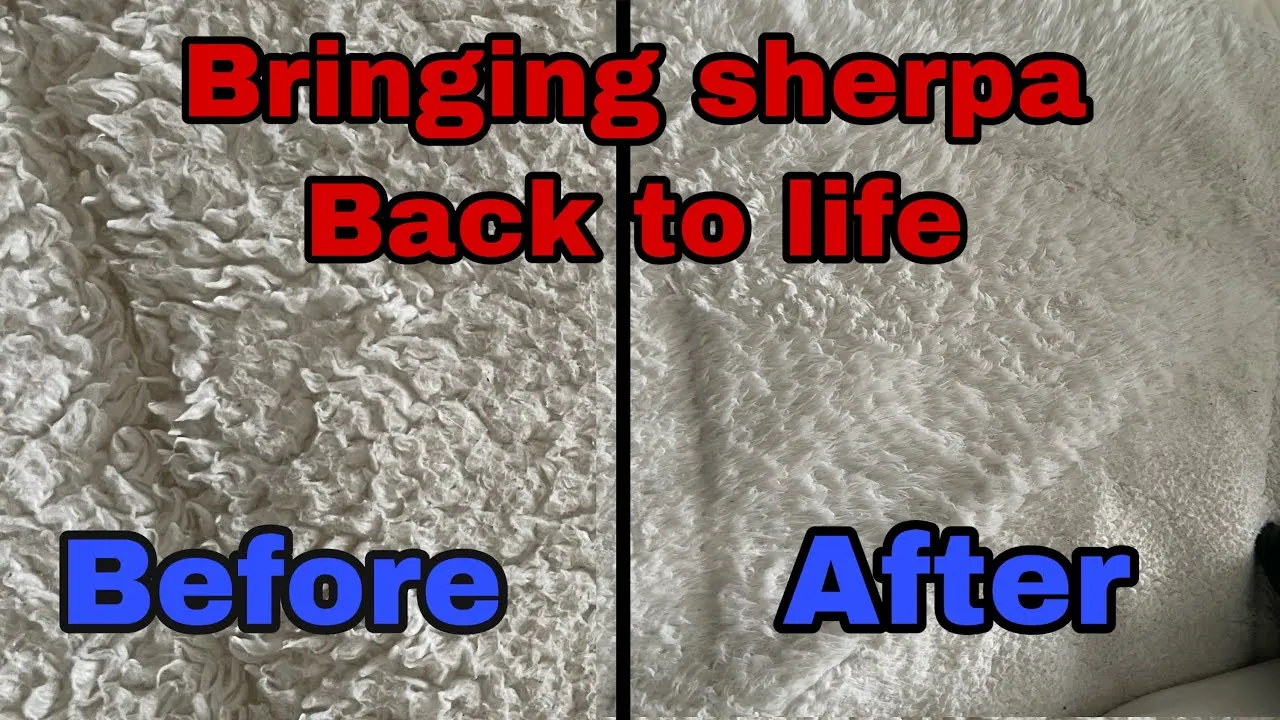
A successful wash also shows in the color and shape. The item should look the same size as before and the surface should feel soft, not scratchy. If the pile looks flat, brush it gently in one direction and give it a few hours.
Signs it needs a second round:
- Stiff patches mean leftover detergent. Run one more cold rinse with no detergent.
- Flat, matted pile after drying means heat was too high or the spin was too fast. A soft brush helps, but heavy matting doesn’t fully recover.
- A lingering smell means the item didn’t dry fast enough. Wash again on cold and dry with more airflow.
- White streaks are usually detergent residue. A damp cloth wiped along the streak will show if it lifts.
One thing to know: sherpa softness varies a lot between items. A cheap bonded fleece and a thick pile jacket behave differently in the same wash. Read the care label on your own item for its exact temperature and drying rule, because that’s the only figure that fits your piece.
If something goes wrong with sherpa
Most sherpa problems come from heat, a fast spin, or too much detergent. Here’s what each one looks like and what to do.
| What happened | Why | What to do |
|---|---|---|
| Pile is matted and flat | Heat or fast spin pressed fibers | Brush gently, accept some loss |
| Item shrank after washing | Warm or hot water and drying | Stretch gently while damp, air-dry |
| Stiff, scratchy surface | Too much detergent left behind | Run one cold rinse, no detergent |
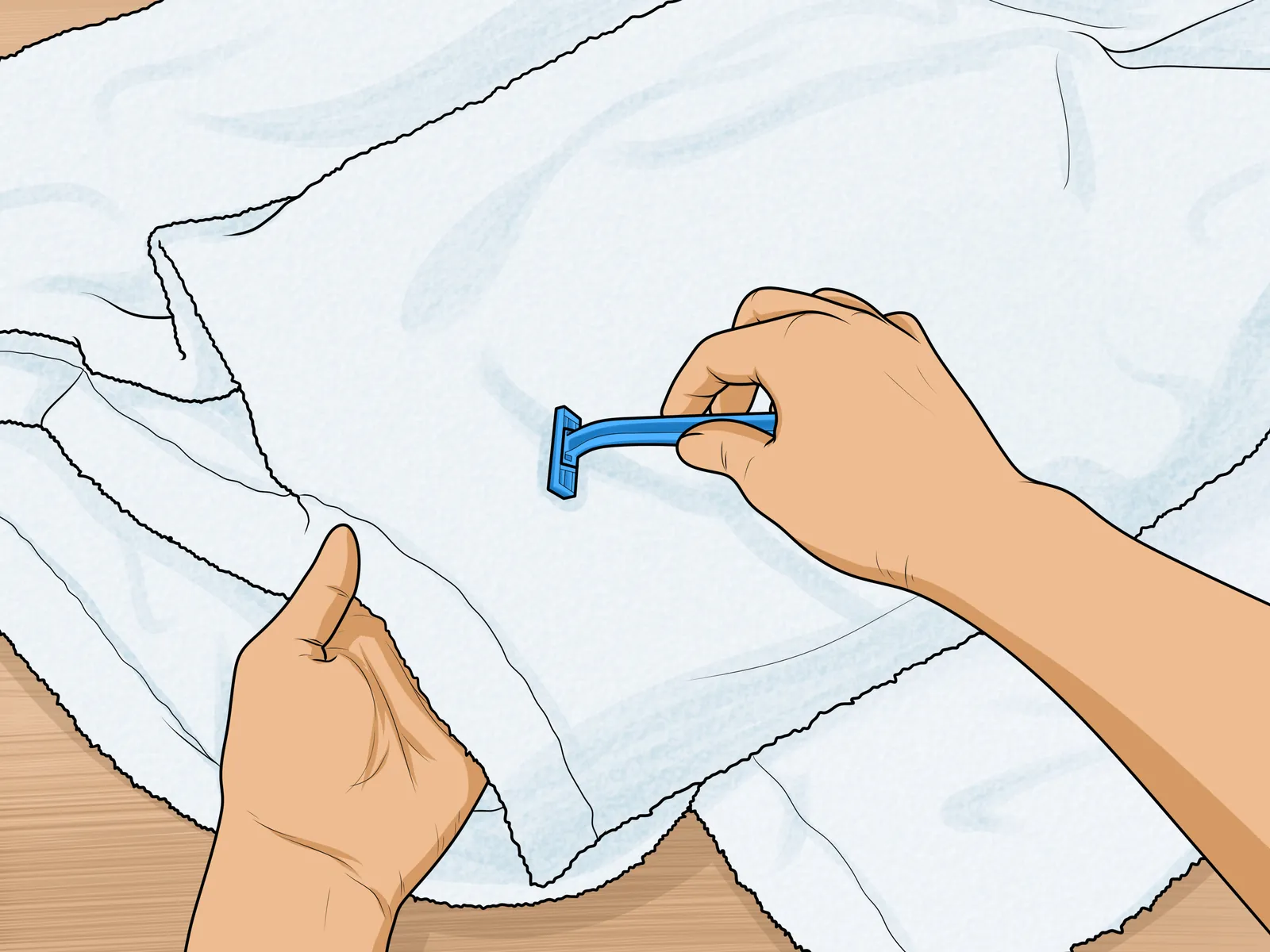
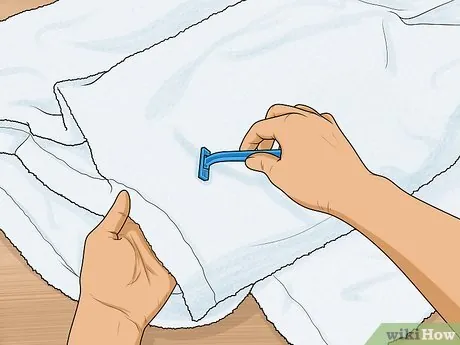
| Pills and small balls on surface | Rubbing during wash or wear | Remove with a fabric shaver |
| Musty smell after drying | Dried too slowly, no airflow | Rewash cold, dry with a fan |
| Color faded or patchy | Direct sun or harsh detergent | Can’t be reversed, prevent next time |
The mistake that costs people the most is tumble drying on a normal setting. Medium heat can shrink a sherpa jacket by a visible amount and mat the pile for good. If you must use a dryer, choose the air-fluff or no-heat setting only, and check the item every 10 minutes.
A few of these are worth reading more closely than the rest. Matted pile and shrinkage are the two that rarely come all the way back, so treat them as damage control rather than a fix.
Stiffness and mustiness, by contrast, usually clear up completely on the next wash. If a stiff fleece stays stiff after one cold rinse, the detergent may be built up deeper in the pile, and a second rinse is reasonable.
Pilling is normal on sherpa and says nothing about how well you washed it. Friction causes it, so a jacket that pills at the cuffs and under the arms is behaving as expected.
Fading is the one to catch early. If a patch looks lighter after one drying session, keep that item out of direct sun from then on, because the next session will take more.
How often to clean sherpa
Wash sherpa every 3 to 5 wears for clothing you wear against the skin, and every 2 to 3 months for blankets and throws used daily. A jacket worn over other clothes can go 6 to 8 wears between washes. These ranges assume normal indoor use and a person who isn’t sweating heavily in the item.
Two things move that number most. The first is how close the sherpa sits to your skin, because body oils and sweat mat the pile faster than anything else. The second is the season and your climate: a humid summer pushes smells and mildew sooner, while a dry cold winter lets you go longer.
Pets and indoor smoke are the other common reasons to shorten the gap. A throw a dog sleeps on picks up dander and oils that a quick shake won’t lift, so treat it more like worn clothing than like a display blanket. A jacket worn in a smoky room or a kitchen absorbs odors into the pile the same way.
Spot clean small marks between washes with a damp cloth and a drop of gentle detergent. Washing too often wears sherpa out faster than dirt does, so clean it when it needs it, not on a fixed calendar.
Frequently asked questions
Can you put sherpa in the washing machine?
Yes, most sherpa can go in a washing machine on a delicate cycle at 30°C (86°F) or colder, in a mesh bag. Check the care label first, because bonded or coated sherpa may need hand washing or dry cleaning. Always use the lowest spin speed, since a fast spin mats the pile.
Why did my sherpa get matted after washing?
Heat and fast spinning are the usual causes. Warm water, a fast spin, or any tumble drying presses the loose fibers flat. Once matted, a soft brush restores some softness but rarely all of it. Prevention is easier than repair.
How long does sherpa take to dry?
Sherpa takes 6 to 12 hours to air-dry flat, and a thick blanket can take up to 24 hours. The range depends on room airflow and how much water you pressed out first. Dry it flat, never hanging, because the weight of wet sherpa stretches the shape.
Is it safe to put sherpa in the dryer?
Only on a no-heat or air-fluff setting, and check it every 10 minutes. Medium or high heat shrinks sherpa and mats the pile permanently. If your dryer has no air-only option, air-dry the item instead. That’s the safer choice for any sherpa piece.
What happens if you use fabric softener on sherpa?
Fabric softener coats the synthetic fibers and makes sherpa feel flat and less fluffy over time. Skip it completely and use 1 to 2 tablespoons of gentle liquid detergent only. If softener already went in, run one extra cold rinse to pull it out.
Does sherpa shrink when washed?
Yes, sherpa can shrink if washed in warm water or dried with heat. Cold water at 30°C (86°F) or below and flat air-drying keep the size stable. If it does shrink, stretch it gently while still damp and let it dry flat.
How do you clean a sherpa blanket without a washing machine?
Hand wash it in a tub with cold water and 1 to 2 tablespoons of gentle detergent, press the water through for about 5 minutes, then rinse twice. Roll it in dry towels to remove water and dry it flat. This works well for large blankets that won’t fit a home machine.
Can you iron sherpa?
No, don’t iron sherpa directly. Heat melts and flattens the synthetic pile, and an iron leaves a permanent shiny patch. If the item is wrinkled, hang it in a steamy bathroom for 15 to 20 minutes, then smooth it flat with your hands.
Conclusion
If a piece still feels stiff or flattened after it dries, a few minutes of gentle brushing with a soft-bristled brush will lift the pile back up. You’ll keep that soft, cozy texture around for years, and it’s a small habit worth building into your routine.