
Your Norwex cloth probably cost more than a pack of standard microfiber rags. When it starts smelling like a damp dishrag. Or loses that magic ability to grab dust with just water, it’s genuinely frustrating.
I get it. You might wonder if you bought into hype. After ruining a couple of these cloths myself (yes, one got that unmistakable sour milk funk).
I learned that the difference between a cloth that hits the 500-wash warranty. It is transparent, and one that’s trash in two months is mostly how you clean it. Those numbers tell a story. That’s what we’re sorting out.
TL; DR
- Rinse Norwex cloths in the hottest water you can stand after each use to swell the fibers, then hang dry with the tag exposed.
- Launder weekly using a filler-free, fragrance-free detergent; never use fabric softener, bleach, or dryer sheets.
- Deep clean every 3–6 months by boiling for 10 minutes or using an enzyme booster to strip trapped grease and minerals.
Key Point
- The silver-based BacLock inside the fibers is there only to keep the cloth from turning into a biohazard between washes. It won’t disinfect surfaces you wipe — you still need sanitizing chemistry if viruses are a concern.
- That “mechanical removal of up to 99% of bacteria” claim relies on the microfibers being physically unclogged. A single wash with fabric softener can coat those fibers and kill performance.
- If your cloth feels greasy, stiff, or smells weird even right after washing, it’s almost always detergent residue or mineral buildup, not a faulty product.
- Most users who stick with the boiling method once every few months report that their three-year-old cloths still work like new.
What You’ll Need
You won’t need a lot of specialized gear, so the real trick is knowing what not to use.
- Hot water — straight from the tap for daily rinsing, and a pot of boiling water for deep cleans.
- A filler-free, fragrance-free liquid detergent — think products without optical brighteners, enzymes that aren’t super aggressive, and zero fabric softening agents. Brands like Eco-Max Hypoallergenic or certain Charlie’s Soap formulations work. If you’re stuck without a Norwex-brand detergent, you can absolutely clean Norwex cloths without the official solution, but you have to pick your detergent carefully to avoid fillers.
- Enzyme laundry booster (optional) — useful for periodic deep cleaning when boiling isn’t enough. Norwex’s own Ultra Power Plus or a product like Rockin’ Green Platinum Series.
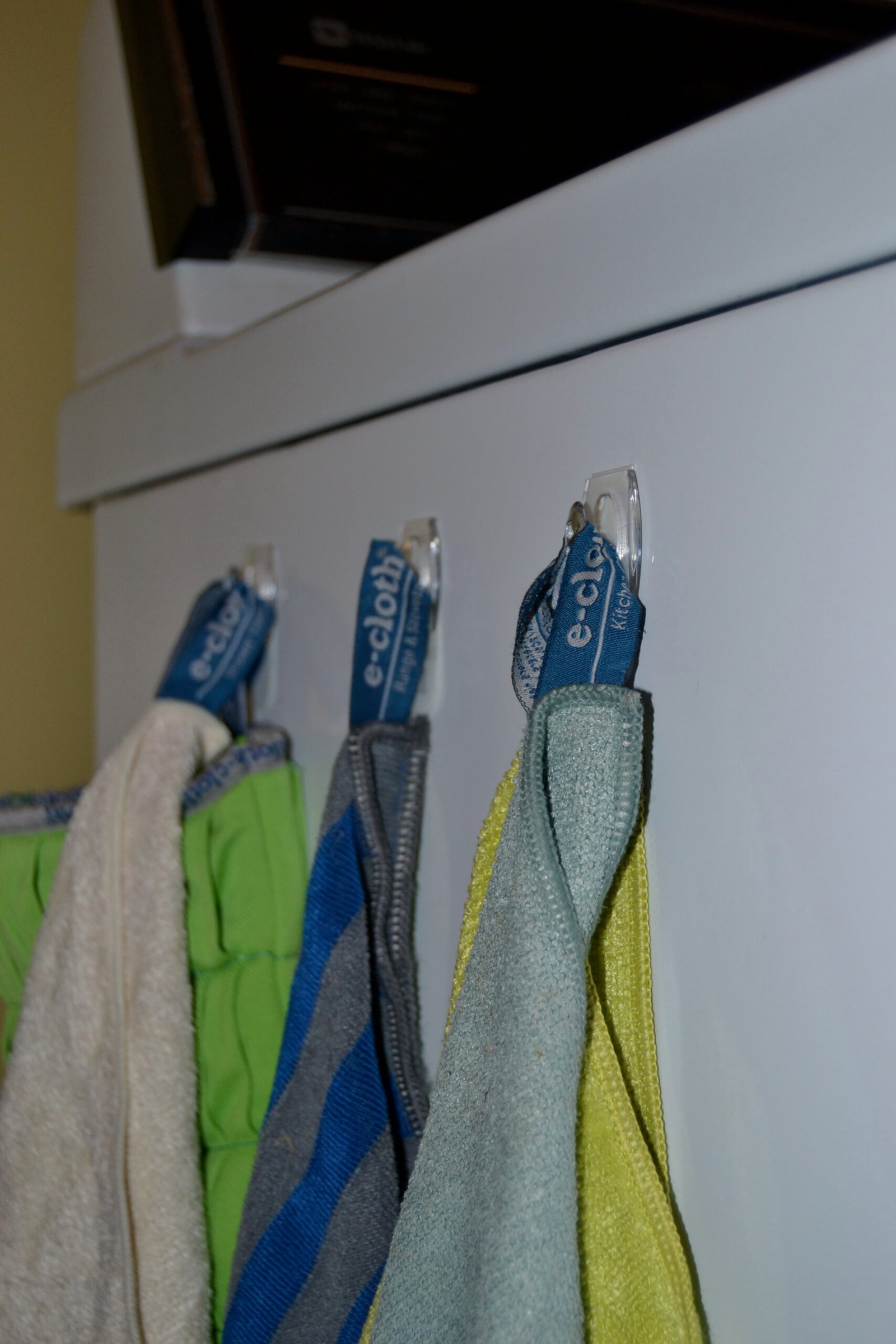
- A drying rack or line — to air dry cloths after rinsing. A clip that holds the cloth by its tag is ideal.
- Time and skill level: Daily rinse takes 30 seconds. Weekly machine wash is 5 minutes of effort. Deep cleans take about 15 minutes every few months. Skill level: basic, but you need to follow the rules strictly — no shortcuts.
Step 1: Rinse After Every Single Use
Right after you finish wiping a counter or mirror, run the cloth under the hottest water your hands tolerate for 15–30 seconds. This isn’t an optional fluff step, it’s the first line of defense against gunk building up deep in the fiber loops.
The heat causes the polyester and polyamide fibers (remember, each cloth contains about 3 million meters of them) to swell marginally; that loosens the trapped dirt and bacteria. Letting them wash down the drain instead of fermenting (which aligns with standard practices) in a damp heap. Precisely.
Predictably, my kitchen cloth took on a funky odor within two weeks, which means stick with me here; this pays off.
From what you’ll see. When you’re done rinsing, gently squeeze out the water. Don’t wring the cloth like you’d twist a chicken’s neck, because extreme twisting can damage the weave over time. Then hang the cloth by its loop tag (depending entirely on the context), so air hits both sides. A poorly ventilated cloth left crumpled on the sink edge is basically asking for that “sour milk” smell.
Why does my cloth still smell even when I rinse it?
The rinse only removes surface-level debris. Once oils, skin cells, or milk proteins get worked deep into the fibers. A hot rinse won’t reach them. That’s where the weekly wash comes in — also, if your water is tricky. Mineral scale can trap odor-causing residues, which is why periodic (which aligns with standard practices) deep cleans matter.
File that away. You’ll see why it matters in a bit.
Step 2: Machine Wash Weekly Using a Strict Detergent Protocol
Toss your Norwex cloths into the washing machine once a week, using a detergent that’s zero fillers, zero fabric softeners, zero bleach, and zero optical brighteners. Wash only with lint-free items like old sheets or polyester-blend shirts; never with cotton towels.
I’ll be blunt. The single biggest mistake is using whatever detergent you’ve in the laundry room. Standard detergents contain “fillers”, substances that help your clothes feel soft, and actually, that’s not quite right, smell fresh, but that do so by depositing a thin coating on fabric surfaces.
On microfibers, that coating plugs the split-fiber loops that do the actual cleaning. Once coated, the cloth can’t grab onto bacteria.
Or dust mechanically, and the silver BacLock agent gets smothered.
Set your machine to a warm. Or hot cycle (up to 60°C/140°F is fine — the fibers can handle it). Plus, use an extra rinse cycle if your machine has one, because any detergent residue left behind will attract more dirt later. The cloth dimensions?
About 35 cm × 35 cm for an EnviroCloth, and the trend keeps going.
A normal load fits many.
If you’re looking for an alternative detergent routine. Because the official Norwex Ultra Power Plus isn’t handy. Here’s the other side of it, so where does that leave us? Or you want to save money, you can wash without the branded product. Just double-check that your chosen liquid; no. Scratch that, has no fabric conditioners or chlorine compounds.
Step 3: Dry Completely — and Forget the Dryer Sheets
Air drying is the safest route. If you must use a machine dryer, keep it on low heat and never add dryer sheets. Take the cloth out as soon as it’s dry.
Naturally, high heat won’t melt polyester, but it can slightly warp the split-fiber structure over dozens of cycles, reducing cleaning efficiency… i’ve line-dried some cloths for three years and they still feel as crisp as day one. Cloths I tossed in a hot dryer with mixed loads occasionally came out slightly stiff.
A sign of fiber damage from other fabrics’ lint and residue. Lint is a huge headache: microfibers act like lint magnets, and. If you wash them with terrycloth towels, they’ll emerge covered in fuzz that blocks the cleaning surface.
Hang drying on a rack, preferably with the cloth suspended by its tag, so air circulates under both sides, almost without fail prevents that stale-damp smell. If you do machine dry. The evidence is there. Add a couple of wool dryer balls to reduce static (never use synthetic dryer sheets; they contain softening agents).
How often should I wash windows and mirror cloths versus kitchen cloths?
Window and mirror cloths that only tackle glass cleaner residue can go to the weekly wash with everything else. For instance, kitchen cloths that touch raw food spills or greasy counters might need a rinse. After every task and (which completely makes sense logically) still a weekly wash, but I’ve seen heavy-use kitchen cloths perform best when washed every 3–4 days instead of waiting a full week.
Step 4: Deep Clean Every 3–6 Months
Even with perfect daily care, mineral buildup from hard water and slow grease accumulation will eventually make your cloth less absorbent and faintly grimy. A scheduled deep clean restores near-factory condition.
The most reliable method I’ve found. And what a bunch of long-time users swear by in online discussions — is boiling.
Fill a pot with enough water to fully submerge your cloth. Bring it to a rolling boil, drop the cloth in, and let it boil for exactly 10 minutes. That’s a significant gap. Stir occasionally with a wooden spoon. After 10 minutes, remove the cloth (use tongs.
It’s hot), rinse under cool water, and hang to dry. You’ll often see the water turn cloudy with gunk that regular washing missed.
Now, an enzyme-based laundry booster works too. If you’re not comfortable boiling. Soak the cloth in a solution of the booster and hot water according to the product’s directions.
When it comes down to it. Usually an hour or two, then launder as normal. This is especially dependable at breaking down body oils and protein-based residues.
What if my cloth still feels greasy after a deep clean?
Try a borax. And washing soda soak (1 tablespoon each per gallon of hot water). Which means “laundry stripping” method pulls out embedded oils that plain boiling can’t without fail remove.
Step 5: Sidestep These Cloth-Killing Habits
**No weekly maintenance routine matters if you’re making one of these four errors. They all lead to the same outcome: a cloth that smears instead of cleans.**1.Using bleach or oxygen bleach regularly. Bleach oxidizes the polyamide component of the cloth and weakens the fibers. An occasional diluted oxygen bleach soak for sanitization (when viruss are a concern) might be okay, but frequent use will make the cloth fragile.
2. Letting cloths stay wet in a hamper or sealed container. The BacLock technology slows down bacterial growth inside the cloth, but it doesn’t stop mold if the cloth is kept anaerobic and damp. Always let it dry fully before tossing into a pile.
3. Tossing Norwex in with cotton lint-bombs. Every time you wash with towels or fleece, the microfiber pulls lint from those items. Over time, the cloth becomes a lint-covered pad that can’t trap anything smaller.
4. Ironing or steam-pressing the cloth. The heat itself isn’t the main problem, but the pressure flattens the fiber loops, permanently reducing the mechanical “grab” that makes the cloth effective.
If you’ve already slipped up on one of these. The deep clean process sometimes can reverse minor damage. But deep within the weave, if the loops are flattened. Or coated, replacement is the only real fix.
Troubleshooting Common Norwex Cloth Problems
For all intents and purposes, even careful anyone on the platform run into snags. Here are the fixes I’ve had to deploy myself.
**Problem: Sour milk odor that won’t go away.**This is usually protein residue. Boil the cloth, then do a cold rinse. If the smell persists, soak in a solution of 1 part white vinegar to 3 parts water for 15 minutes (no baking soda; the fizz doesn’t help here), rinse, and launder. The vinegar acid helps break down proteins. Avoid vinegar if you’ve hard water, as acid can interact with mineral buildup to create a film.
Problem: The cloth leaves streaks on glass.Often caused by detergent residue. Run the cloth through two rinse-only cycles in the machine, then dry. Also, check that you’re using a clean lint-free drying cloth for buffing — sometimes the streaking comes from the second cloth, not the Norwex.
Problem: Stiff, scratchy texture after drying.Mineral hardness is the likely culprit. Soak the cloth in a mix of warm water and a tablespoon of citric acid (or lemon juice) for 30 minutes, then rinse well. This dissolves calcium deposits. Then launder with your regular cleaner. If you’re stuck with a detergent that leaves residue, washing Norwex cloths without the branded product can help you find a residue-free alternative.
Problem: The cloth seems to push dirt around instead of picking it up.To start, make sure the cloth isn’t oversaturated. A damp cloth works; a soaking wet one just hydroplanes over the surface. If it’s damp and still underperforming, deep clean immediately, your fibers are likely clogged.
Problem: The BacLock isn’t preventing smells.
Recall that the silver agent’s job is to keep the cloth itself from becoming a bacterial breeding ground between washes, not to stop you from ever needing to clean it. If you’re not rinsing and drying promptly, even the best silver can’t overcome perpetual moisture.
People Also Ask
Can I wash Norwex cloths with vinegar?
Yes, but only occasionally and with caution. White vinegar can help remove odors and light mineral deposits, but its acidity can degrade the polyamide fibers if used too often or in high concentrations.
Use a 1:3 vinegar-to-water soak for 15 minutes max, then rinse thoroughly. Hard water areas may see a reaction that leaves a film, so baking soda isn’t an all-purpose fix either.
How do I get the stink out of Norwex cloths permanently?
The most permanent solution is a combination: boil the cloth to strip out embedded residues, then strictly adhere to the rinse-after-use and weekly wash routine with the correct detergent.
If the odor returns quickly, your wash cycle may be leaving behind detergent, or your water is unusually hard; an extra rinse cycle often fixes that.
Is it safe to use bleach on Norwex cloths?
Occasional, highly diluted oxygen bleach might be used if you’re dealing with a viral contamination concern, but chlorinated bleach will permanently damage the fibers and void the 2-year warranty.
The cloth’s mechanical action alone removes up to 99% of bacteria; for viruses, you’d need a separate sanitizing step on the surface anyway, so the cloth doesn’t need to be bleached.
Why does my Norwex cloth smell like sour milk after a few days?
Protein-based residues (like milk) embed deep in the fibers and start to biodegrade within 24–48 hours if the cloth stays damp. Rinsing in the hottest possible water within minutes of use and hanging to dry completely usually prevents it. Once the sour smell sets in, the boiling method or an enzyme soak is more effective than a normal wash.
What to Do Next
In many cases, here’s what I’d do to make all, actually, that’s not quite right, this stick without turning (a detail a lot overlooked) into a chore.
- Set a weekly laundry alarm — schedule it for the same time each week, so Norwex cloths never sit in the hamper too long.
- Install a tag hook next to your sink — a simple adhesive hook lets you hang the cloth by its loop tag right after the rinse, ensuring airflow.
- Replace your fabric softener dispenser’s use — if your machine has an auto-softener cup, disable it or fill it with white vinegar to clean buildup without contaminating the cloths.
- Do a boiling inspection every 3 months — mark it on a calendar. If the water turns murky, you caught buildup early; if the water stays clear, your routine is solid.
- Assess your detergent again — check the ingredient list for words like “cationic surfactant” or “quaternary ammonium compound,” which are softening agents in disguise and will eventually ruin the cloths.
A Norwex cloth can genuinely last the full (as one might expect) 2-year warranty period and beyond. In reality, about 500 wash cycles. If you treat it like a tool rather than a disposable wipe. The biggest reward, it changes things. You’ll save money on paper towels and chemical cleaners.
While knowing your cleaning routine is simpler and safer, and when it comes down to it, just remember: the cloth’s performance is only — actually, hold on, as impressive as your cleaning of the cloth itself.
🔍 Research Sources
Verified high-authority references used for this article