
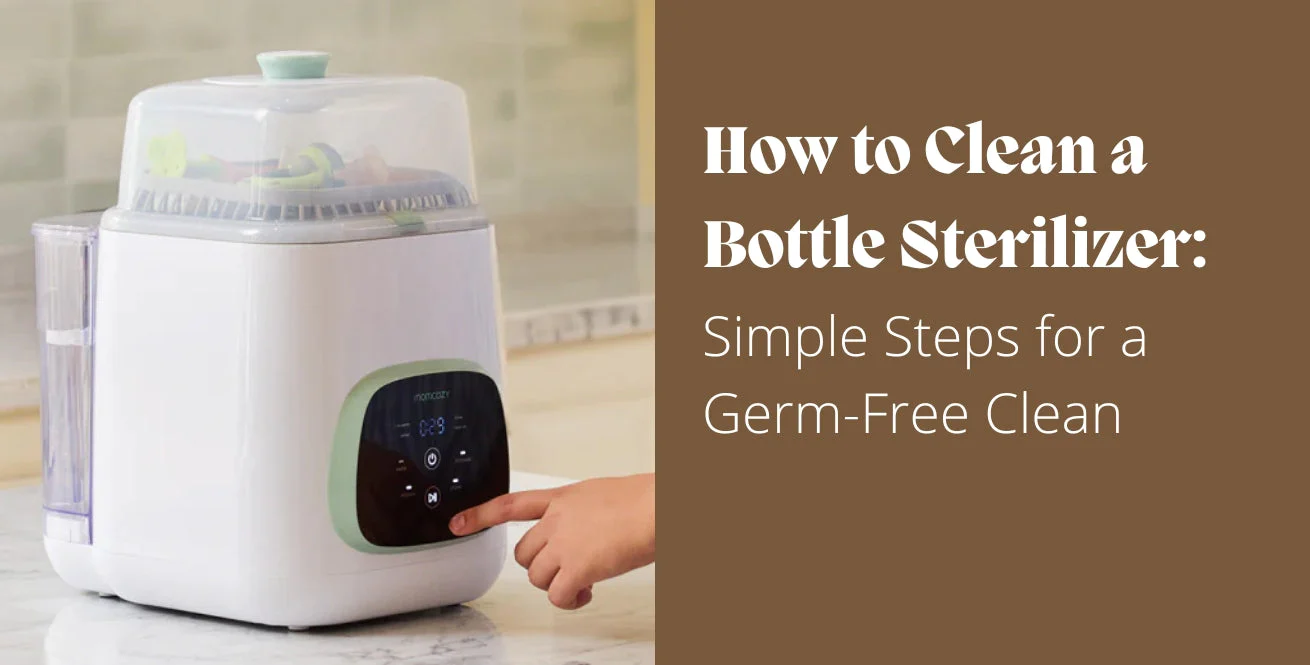
You’ve probably noticed that burnt-metal smell coming from the Baby Brezza sterilizer. After a few weeks. It’s not a sign the machine is dying—it’s mineral gunk, and dried milk residue.
When I first opened the heating plate, I saw brown spots and thought it was rust; actually, let me correct that: it’s almost NEVER rust. In reality, it’s baked-on calcium, and protein that insulates the plate. Messes with the dry cycle. 9% of germs.
TL; DR
- Descaling the heating plate every four weeks with a 1:1 vinegar-distilled water mix prevents mineral crust and the E4 overheating error.
- Wiping the plate after every cycle and using only distilled water cuts burnt smell within a week and protects the thermal sensor.
- Clean the HEPA filter every three months (more often if you have pets) to keep drying efficient and avoid musty mold in the fan housing.
Key Point
- Descaling is not optional. Mineral buildup acts like a blanket over the heating plate, so the sterilizer can’t reach the temperature needed to kill bacteria—according to Baby Brezza’s support guide.
- Wiping the plate after every cycle seems fussy, but skipping it means those condensed minerals bake on permanently, leading to brown spotting in as few as three uses with hard water.
- Citric acid works faster than vinegar for tough brown rings, and it won’t leave that sour vinegar scent behind.
- If your machine has a HEPA filter, inspect it monthly if you have furry pets—dander clogs it faster than you think.
What You’ll Need
You don’t need professional resources. Consider this: actually, the most critical supply is something you probably already have. White vinegar or citric acid powder.
- White vinegar (standard 5% acidity) or food-grade citric acid (about 2 teaspoons per cycle).
- Distilled water (tap water is the enemy here—minerals in it cause 80% of cleaning problems).
- Soft sponge or microfiber cloth. No abrasive scrubbers—scratching that stainless steel plate invites permanent corrosion.
- Small bowl for mixing descaling solution.
- Clean, dry towel for wiping down the base afterward.
- Warm, soapy water for removable parts like the bottle rack and lid.
- Time: about 30 minutes from start to finish, including the descale cycle.
Step 1: Unplug, Cool Down, and Wash Removable Parts
Unplug the machine and let the heating plate cool completely, trying to wipe a hot plate just bakes on fresh minerals.
Remove the bottle rack, lid, and any accessories. Dump any leftover water from the base.
Wash the rack and lid in warm soapy water, and you could say i scrub them with a soft sponge after every use, and it’s cut lingering odors dramatically. If you see a film. Let them soak in warm water with a drop of dish soap for five minutes. Then rinse and set aside to air dry.
Why does the heating plate look stained even after I wash the accessories?
The plate discolors separately from the plastic parts. The numbers confirm this.
Brown spots are usually burnt milk residue. Or concentrated minerals that need an acidic soak, per appliance maintenance standards, and a regular sponge won’t remove that; you need the descaling step.
Step 2: Descale the Heating Plate (The Biggest Mistake People Skip)
Pour a 1:1 mixture of white vinegar and distilled water directly onto the heating plate—just enough to cover the discolored area, about 2 to 3 ounces. Close the lid (leave the rack out) and run a sterilization cycle. That short burst of heat with the acid dissolves minerals that lock in odors and prevent proper heat transfer. After the cycle finishes, unplug the machine, let it cool, then wipe the plate with a damp cloth.
Sure enough, if the brown ring remains stubborn, and honestly, i’ve found that two teaspoons of citric acid dissolved in 60ml of distilled water works incredibly fast. Usually one cycle lifts what vinegar takes two. Just be careful. Vinegar fumes during a cycle can be harsh on sensitive airways, so run it in a ventilated room and don’t lean over the steam vent.
How often should I really descale?
Every four weeks or after about 20 cycles. Even if you don’t see visible buildup. Reddit parents repeatedly note that waiting until you see brown spots means the mineral layer is already thick enough to insulate the plate and trigger the E4 error.
Step 3: Clean the HEPA Filter and Dry Everything
If your model has a HEPA filter (Advanced. Or Sterilizer Dryer versions), pop it out now.
For the average user, i consistently check mine every three months, but in a home with two cats I end up cleaning it (though exceptions exist, naturally) monthly, dander is brutal. Tap the filter against a trash can to knock loose dust.
Then rinse under lukewarm water (filter side down so debris doesn’t pack in). Never use soap on the filter, and let it air dry through and through before reinserting, or you’ll trap moisture in the (which completely makes sense logically) fan housing and invite mold.
After descaling, take the dry towel, and wipe every surface inside the base—especially around the heating plate edges and the fan area. Any lingering moisture can breed mold. Plus, leave the lid open for at least an hour after cleaning to let the internal fan chamber air out.
Is citric acid better than vinegar for cleaning the Baby Brezza?
Many users say citric acid works faster. And doesn’t leave a sour after-smell. It’s also less irritating to breathe… use 2 teaspoons per descale run—it cuts through brown stains that vinegar leaves behind.
Common Mistakes That Ruin the Sterilizer (And How to Fix Them)
What happens next? The key lesson is simple: blocksep matters. When I first started. Generally speaking, huge mistake, it baked the mineral film into a challenging, dark ring that took three descale rounds to break.
- Using tap water. Visible brown spots can appear in three uses. Distilled water costs pennies but saves hours of cleaning and extends sensor life. If you’re stuck with tap water temporarily, wipe the plate immediately after every single cycle.
- Skipping the HEPA filter. A clogged filter reduces drying power and can cause moisture to hang around long enough to mold the fan area. If your cleaner doesn’t have a filter, that’s fine—just keep the interior dry.
- Leaving the base wet after cleaning. Even a little puddle near the fan inlet can lead to musty smells that don’t go away without disassembling the base (which you really don’t want to do).
- Descaling too rarely. Mineral deposits are an insulator. The machine may run longer without reaching sterilization temperature, which is why you’ll often see the E4 code.
If you’re also dealing with a Baby Brezza Formula Pro mixing machine. The same descaling logic applies. Mineral buildup in the water tank can throw off formula mixing ratios and cause dispensing errors.
What to Do Next
Once the sterilizer is clean and dry. Run one cycle with distilled water only (no bottles) to clear any remaining acid residue. Then get back to your normal routine, and yet, i recommend marking your calendar for a descale every four weeks; that single habit prevents 90% of smell and error issues.
Shifting gears a bit, if you haven’t cleaned the HEPA filter in the last three months. Do it now, even if you think it looks fine. In homes with pets, I’ve seen filters go from white to grey in under six weeks, and and the dryer performance drops noticeably.
- Schedule a recurring task — set a phone reminder every four weeks to descale the heating plate.
- Swap to distilled water — purchase a gallon and keep it next to the machine so you never use tap again.
- Inspect the HEPA filter — open the machine now and check if it’s dusty; clean or replace if it’s been three months.
- Wipe after every cycle — once the plate cools, a quick swipe with a dry cloth removes condensed minerals before they bake.
People Also Ask
Can I put Baby Brezza parts in the dishwasher?
The bottle rack and lid are dishwasher safe on the top rack. But the heating plate and base should almost never go in the dishwasher. Hand wash accessories with warm soapy water to avoid warping from high heat.
Why does my Baby Brezza smell burnt even after cleaning?
In most scenarios. A burnt smell usually means the heating plate still has a film of burnt milk protein or minerals. Run an extra descale cycle with citric acid, then rinse with a distilled water cycle, and if the smell persists, check the HEPA filter for trapped food particles.
How do I get rid of the vinegar smell after descaling?
Run two full cycles with distilled water only. After descaling with vinegar. The residual scent fades speedy… if it bothers you, switch to citric acid for future descales, it leaves no odor.
Is it safe to use bleach to clean the Baby Brezza sterilizer?
But then again, looking at this from another angle. Baby Brezza advises against bleach. It can damage the stainless steel plate and leave harmful residues, which means stick to vinegar or citric acid for descaling and mild soap for accessories.
How do I know if my HEPA filter needs replacement?
If tapping and rinsing the filter doesn’t restore airflow, or. If it looks permanently grey and won’t dry, it’s time to replace. A clogged filter reduces drying by up to 50% and can cause musty odor.
What is the E4 error code and how do I fix it?
The E4 code usually signals overheating from mineral buildup. Descale the plate immediately, wipe it dry. Make sure you’re using distilled water. If the error persists after descaling.
🔍 Research Sources
Verified high-authority references used for this article