
You’d be surprised how loads of everyone wreck perfectly good running shoes by cleaning them the wrong way. Just last week. A friend showed me his ASICS Gel-Kayano pair. Stiff as cardboard, after one trip through the washing machine. The mesh was fuzzy, the logo peeling, and the bounce completely gone.
It doesn’t have to be that way. Actually, cleaning ASICS shoes is simple if you treat them like the piece of sports equipment they’re. This guide walks you through every step so you can get the dirt out. Think it through. Keep the midsole alive, and make your shoes last—without any of those tragic mistakes.
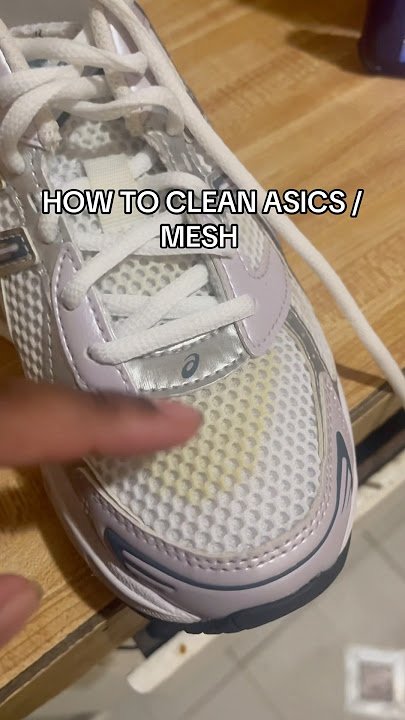
TL; DR
- Hand wash only with pH-neutral soap and cold water; machine washing destroys FlyteFoam and GEL units permanently.
- Always remove laces and insoles, use a soft brush on mesh, and air dry for 24-48 hours away from heat.
- Stuff shoes with paper after cleaning to preserve shape and speed up drying, which prevents that awful vinegar-like smell.
Key Point
- Stuffing wet ASICS with recycled paper keeps the toe box from collapsing and absorbs moisture deep inside the shoe, where mold likes to hide.
- Never use bleach or harsh detergents on Gore-Tex models—it clogs the membrane and burns your waterproof warranty. Stick to mild, pH-neutral soap.
- You don’t need fancy gear. Most of the best cleaning tools—old toothbrushes, microfiber cloths, baking soda—are already in your closet.
- White mesh is the hardest to bring back to original brightness; clay stains, in particular, set deep into the fibers.
What You’ll Need
In practice, the dynamic changes slightly. Put together a small kit before you start.
You probably have most of this already. And what you don’t have costs next to nothing. The total effort required is about 20-30 minutes of active scrubbing. More importantly, plus a solid day of waiting while the shoes dry.
Anyone can do this; no special skills needed.
- A soft-bristled brush—a clean old toothbrush works great for mesh, and a slightly stiffer nylon brush works for the outsoles.
- pH-neutral mild soap like Dr. Bronner’s or a dedicated shoe cleaner such as Jason Markk.
- Two microfiber cloths or old rags.
- Recycled paper or paper towels for stuffing.
- Baking soda (optional, for deep odor removal).
- A small bowl of lukewarm water—never hot. Keep it around 30°C (86°F) max.
- Lint roller (optional, for quick dry cleaning of surface dust).
Step 1: Strip Down the Shoes Completely
Starting with a through and through bare shoe gives you access to every seam. And crevice, which is where (which works out well in practice) bacteria build up worst. For instance, remove the laces. And the sockliner (insole) from each shoe. Those two pieces hold an incredible amount of trapped sweat and grime.
Step 2: Dry Brush Every Surface Aggressively
Dry brushing removes loose dirt before you introduce water. Which prevents muddy streaks that sink deep into the mesh. I used to skip this step and without fail ended up with faint brown stains on light-colored uppers. Don’t be me.
Here’s where your approach changes depending on how caked-on the debris is. For trail runners, you’ll want to spend extra time on the tread, and a stiff nylon brush works better on the AHAR rubber outsole, just go easy near the midsole so you don’t scratch the foam. If there’s stubborn, dried-on clay. Sometimes a light scrape with a popsicle stick works wonders. Before you ever touch water.
Step 3: Clean the Uppers with a Soapy Solution
Across the board, now you tackle the fabric and synthetic overlays. Where sweat, road grime, and spilled sports drinks collect. And yes, that’s where most the majority make their biggest mistake: using too much pressure or the wrong brush.
Sure enough, for those models with Gore-Tex. Or other waterproof membranes, you really need to be careful. Heavy detergents can clog the microscopic pores that make the membrane breathe.
That means your shoe stops being waterproof. And turns into a sweaty plastic bag. Use a specialized cleaner like Nikwax Tech Wash if you can, or at least a really mild soap with no fabric softeners — the follow-up question is obvious.
I like to wipe the upper with a damp cloth. After scrubbing to lift the soap residue.
In practical terms, so, in plain English: blocksep matters. But does that hold up? If you own a pair with white mesh, you’ll know the struggle. That material catches every speck of clay.
Probably honestly, sometimes you won’t pick up back to showroom white. And that’s okay, and what matters is you got the damaging grit out. Which brings up an interesting point. A snappy dab of diluted hydrogen peroxide on a Q-tip can help with small spots. But test it on the inside of the tongue first.
Of course, actual metrics may shift.
Can I use dish soap on my ASICS?
Dish soap can work in a pinch. If it’s genuinely mild and you rinse thoroughly.
That said, many dish soaps contain degreasers that are too harsh for the adhesives holding (at least in many practical scenarios) the midsole together. Over time, this can cause the sole to separate.
You’re without fail safer with a pH-neutral shoe cleaner or unscented castile soap. At least, that outlines the core theory.
Step 4: Attack the Soles and Hidden Crevices
People often forget that the outsole. And midsole carry as much bacteria as the inside of the shoe. The AHAR rubber is tough. But the midsole foam is vulnerable, scratch that, and you lose structural integrity.
That chalky, oxidized look on older midsoles is pretty common. You can shrink it with a thick paste of baking soda. And water, left on for 10 minutes before wiping away. It won’t turn them back to brand-new.
I’ve seen people attempt bleach pens on foam and it just accelerates the degradation. Avoid.
To summary, blocksep matters. Here’s a technique from the Reddit trail-running community that I’ve adopted: dip a clean toothbrush in a 50/50 solution of water and white vinegar to kill bacteria and deodorize the inside of the shoe without soaking the foam. The data speaks for itself. Just brush the footbed lightly and let it air out.
Step 5: Rinse, Reshape, and Air Dry Properly
The drying process determines whether your shoes will keep their shape. Or warp into something unrecognizable. You can do a perfect cleaning job, but if you toss them in the dryer. Concrete results. Or set them on a radiator, you’ll undo all your (which works out well in practice) work in minutes.
How does that play out? The 24-48 hour window sounds annoying, I know.
But the payoff is a shoe that hasn’t shrunk. Still has its original bounce, so if you’re in a humid climate — that timeline stretches toward the long end; (and that implies quite a bit) despite your best efforts. To speed things up safely. Set a small fan on a chair pointing right at the shoes and rotate them after 12 hours.
The interior will dry much faster without heat.
How can I stop my shoes from smelling sour after they dry?
Still, that sour smell is usually a signal that bacteria are still partying inside the foam. Because (which aligns with standard practices) drying took too long. If this happens. Sprinkle a generous amount of baking soda right away inside the shoes. And let them sit overnight, then vacuum it out.
For persistent cases. A drop of tea tree oil on a cotton ball placed inside for a few hours works surprisingly well. File that away. You’ll see why it matters in a bit.
- Strip completely — Remove laces and insoles before anything else. Soak them separately in mild soap.
- Dry brush thoroughly — Remove all loose dirt and mud from the upper and outsole without water first.
- Gently scrub uppers — Use a soft-bristled brush with pH-neutral soap, working in small sections and rinsing the brush often.
- Treat the soles — Attack the outsole treads with a stiffer brush and wipe foam midsole walls with a damp eraser.
- Air dry with patience — Stuff shoes with paper, place in a cool dry spot with airflow, and wait 24-48 hours. Never use heat.
Common Mistakes (and How to Fix Them)
Think about this – most of these are hassle-free to avoid once you know them. But I see them repeated constantly, especially by new runners who treat their ASICS like canvas sneakers.
**Mistake 1: Machine washing on any cycle.**The high heat and spinning motion break down adhesives and collapse the foam structure. Fix? Just don’t. If you already did it and the shoe feels dead, the damage is likely permanent. You can sometimes restore a bit of bounce by using a shoe tree while it dries, but it’s a gamble.
Mistake 2: Using a stiff brush on mesh uppers.This causes pilling that looks frizzy and worn. Fix? Use a fabric shaver on low setting to remove pills, but it won’t be perfect. Learn from it and switch to a soft brush for delicate mesh next time.
Mistake 3: Drying shoes in direct sunlight.The UV rays can fade colors and degrade the synthetic fibers. If your shoes have faded in patches, the only real fix is prevention. From now on, dry them indoors.
Mistake 4: Forgetting to clean the insoles. Smelly insoles contaminate the whole shoe. If they’re removable, wash them gently by hand and dry them wrapped in a towel to squeeze out moisture, then air dry. If the smell persists, whitening Hoka insoles taught me a similar trick: baking soda and a drop of lavender oil.
People Also Ask
How often should I clean my ASICS running shoes?
You don’t need a full deep clean after every run. Wipe off visible mud and dirt after each use, and do a thorough hand wash every 3-4 weeks or. After particularly muddy outings, over-cleaning can wear down the materials (more on that later) just as much as under-cleaning.
Can I use a washing machine on a delicate cycle?
No. Even a delicate cycle with cold water is risky because the drum’s spinning can pull on seams and loosen glue.
But does it actually matter? What this means is aSICS Basically, cautions against it because the GEL pods.
And FlyteFoam can crack under mechanical stress, not just heat.
What’s the best way to clean ASICS white mesh without turning it yellow?
Avoid bleach and harsh chemicals entirely… dry the shoes in a dark, cool place, sunlight is (which works out well in practice) the biggest culprit for yellowing. As a similar approach for icy soles, the key is gentle oxidation removal.
Will cleaning my ASICS shrink the shoe?
No, if you clean with cold water and air dry them properly. Shrinking happens when you expose synthetic mesh to high heat.
Like a dryer or a radiator. The upper can contract, making the shoe feel tight.
And the midsole foam can deform permanently. Stick with me here; this pays off.
Do I need to buy special shoe cleaning products?
Not necessarily. A mild, fragrance-free hand soap or castile soap works well for most cleaning. However, if you own Gore-Tex models, a specialty cleaner like Nikwax is worth the small investment to keep the membrane functioning, similar to the care required for certain leather sandals.
What to Do Next
If you think about it, now that your shoes are clean, stored correctly in a cool, dry spot, you can focus on regular maintenance that keeps them from reaching that filthy state again. Hang them up with a simple shoe rack. Or keep them on a well-ventilated shelf. I started wiping down my shoes with a damp cloth after every long run, and I’m shocked how much it extends the deep-clean window.
Before your next cleaning, glance at, okay. More accurately, the mile counter, if you’ve passed 300-400 miles. That changes the picture quite a bit. That matters. The midsole may be dying regardless of how clean they look.
Then you’ll know it’s time for a new pair, just like breaking in a fresh pair of Ultra Boosts.
🔍 Research Sources
Verified high-authority references used for this article